
Leonberger Breed Guide

Quick Summary
The Leonberger is a magnificent, lion-like giant that combines the working capability of a rescue dog with the deep, gentle devotion of a family companion. In my clinical practice, I find their sweet temperaments to be unmatched, but their massive size, heavy shedding, and relatively short lifespan require an owner fully committed to giant-breed management.
Quick Facts
- origin countryGermany
- breed groupWorking
- sizeGiant
- weight range90 – 170 lbs (41 – 77 kg)
- height range25.5 – 31.5 inches (65 – 80 cm)
- lifespan7 – 9 years
- coat typeDouble coat, medium to long, water-resistant, with a distinct mane in males
- common colorsYellow, red, reddish-brown, or sandy, always with a striking black mask
- other namesLeo, Gentle Lion
- recognized byAKC, UKC, FCI
Caring for a Leonberger
Living with a Leonberger is a lifestyle choice that centers around managing their enormous size and substantial coat. In my clinic, I frequently discuss the reality of their 150-pound footprint; they need space to turn around, sturdy furniture, and a vehicle that can safely transport a giant dog. Their physical exercise needs are moderate but non-negotiable—they love swimming and hiking but must be protected from heat exhaustion due to their thick double coats. Prepare for a house filled with hair, occasional drool, and a shadow that will follow you from room to room.
Is a Leonberger a good family pet?
Absolutely, they are famous for their patience and gentleness with children, often referred to as ‘nanny dogs.’ However, because of their massive size, I always warn parents that they can accidentally knock over toddlers during enthusiastic play.
Do Leonbergers shed a lot?
Yes, they are heavy shedders, particularly during the biannual ‘blow out’ of their undercoat. In my experience, keeping up with daily brushing is essential to prevent painful matting, especially behind the ears and in the feathering.
Is a Leonberger good for first-time owners?
I generally advise against a Leonberger for first-time owners because their sheer size and strength can quickly become unmanageable if training slips. Managing a dog that weighs as much as an adult human requires confidence, early socialization, and prior canine experience.
Temperament & Personality
The Leonberger temperament is defined by a serene, self-assured composure and a profound lack of aggression. They are deeply devoted to their human families, displaying an affectionate, almost sensitive nature that responds poorly to harsh corrections. In my years treating this breed, I have observed that while they are highly vigilant watchdogs, they remain remarkably welcoming to invited guests once introduced.
Is a Leonberger good with other pets?
When socialized properly from puppyhood, Leonbergers typically coexist wonderfully with other dogs and even cats. Their natural drive is working and retrieving, not high prey drive, making them peaceful household companions.
How much attention does a Leonberger need?
They are highly social dogs that thrive on being central to family activities and can suffer from severe separation anxiety if left alone for long periods. I tell my clients that a Leo is not a dog to be left in a backyard; they need to be part of the pack.
Training & Behavior
Training a Leonberger is a race against the scale; you must teach leash manners, basic commands, and impulse control before they reach 100 pounds. They are highly intelligent and eager to please, but their sensitive nature means they shut down under harsh, punitive training methods. Positive reinforcement, patience, and absolute consistency are the cornerstones of success in my clinical experience.
Training Tips
- Begin socialization at 8 weeks to expose them to varied sounds and sights
- Focus heavily on loose-leash walking before they outweigh you
- Use high-value food rewards and gentle, positive praise
- Teach a rock-solid ‘down’ and ‘stay’ for public scenarios
- Limit repetitive jumping when young to protect growing growth plates
Fun Activities
- Water rescue and swimming
- Therapy dog work
- Carting and drafting
- Scent work
- Moderate hiking in cool weather
Is a Leonberger easy to train?
Yes, they are highly trainable due to their intelligence and desire to please, but they require a gentle hand. Unlike some working breeds, they are sensitive to your tone of voice and will shut down if yelled at.
Leonberger Health Issues
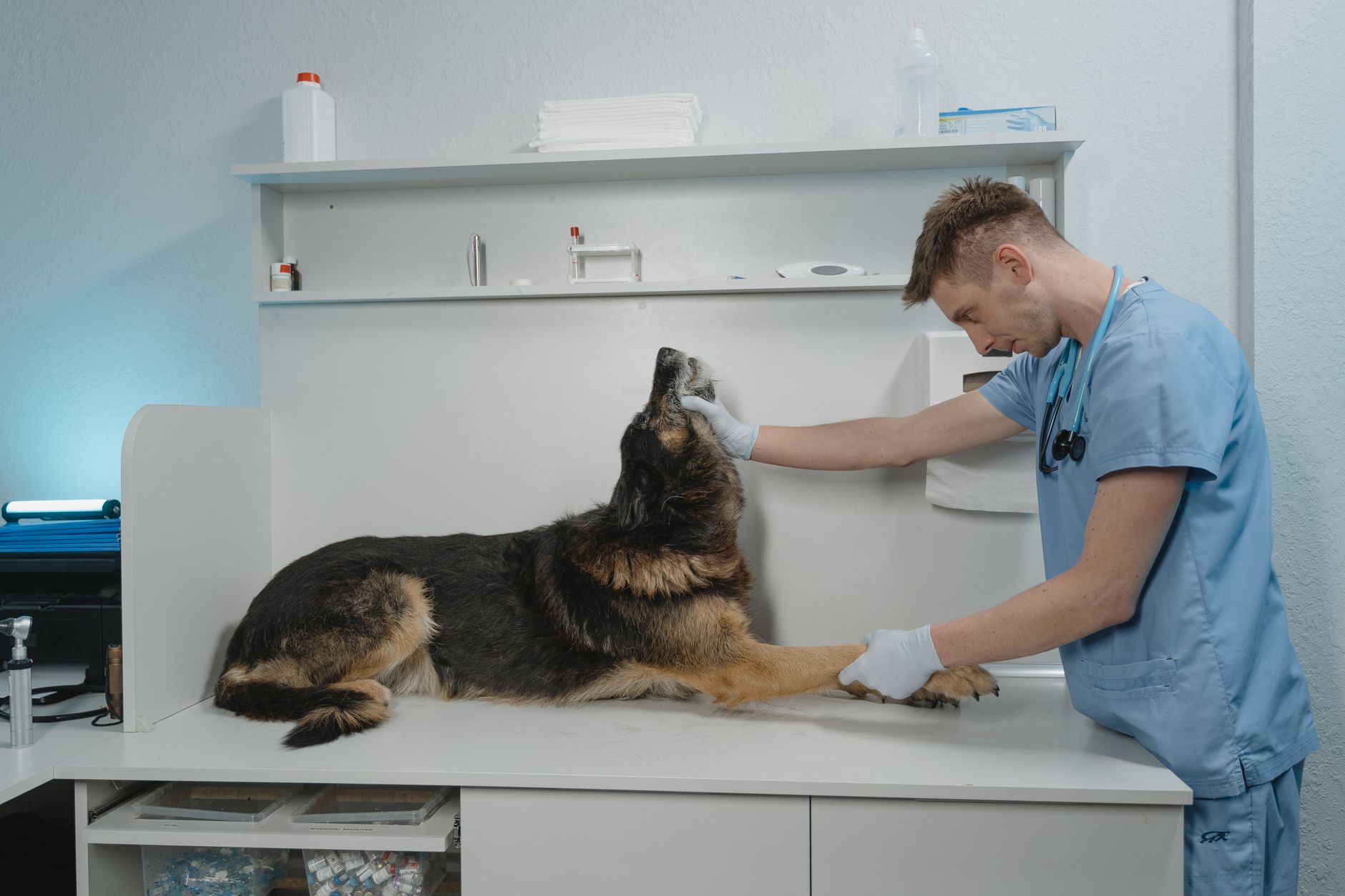
As with many giant breeds, the Leonberger’s majestic stature comes with a trade-off in longevity and genetic health vulnerabilities. In my practice, the key to managing a Leo’s health is proactive screening, careful weight management, and recognizing early orthopedic or neurological warning signs.
Leonberger Inherited Neuropathy (LPN1, LPN2, LPPN3)
A group of severe, progressive neuromuscular disorders unique to the breed, caused by genetic mutations that lead to nerve degeneration.
Gastric Dilatation-Volvulus (GDV / Bloat)
A life-threatening emergency where the stomach fills with gas and twists on its axis, cutting off blood supply. This is the leading medical emergency I see in giant deep-chested breeds.
Hip and Elbow Dysplasia
Heritable orthopedic conditions where the joint ball and socket do not fit together properly, leading to progressive arthritis and pain.
Osteosarcoma (Bone Cancer)
An aggressive, malignant bone tumor that disproportionately affects giant breeds and usually arises in the limbs.
Hypothyroidism
An underactive thyroid gland leading to a slow metabolism, which is easily managed with daily oral hormone replacement therapy.
How long do Leonbergers typically live?
On average, Leonbergers live between 7 to 9 years. While some can reach 10 or 11 with exceptional care and genetics, owners must be emotionally prepared for a shorter journey with these giants.
What to Feed a Leonberger
Proper nutrition is critical, especially during their rapid puppy growth phase which lasts up to 18 to 24 months. Overfeeding a growing giant puppy can cause irreversible skeletal damage, so keeping them lean is a priority.
Best Diet
I recommend a high-quality large-breed or giant-breed specific diet formulated to control growth rates and support joint health, transitioning from puppy to adult formula around 12 to 18 months under veterinary guidance.
How to Feed
Always split their daily ration into at least two or three meals to reduce the risk of GDV (bloat). Use a slow-feeder bowl and strictly enforce a ‘no exercise’ rule for 1 hour before and 2 hours after meals.
How Much to Feed
Portion sizes vary wildly depending on activity, age, and caloric density of the food, typically ranging from 5 to 8 cups daily. Always consult your veterinarian to establish a precise portion based on a body condition score of 4 or 5 out of 9.
Nutritional Tips
Consider adding omega-3 fatty acid supplements (like high-quality fish oil) to support joint cartilage and coat health. Avoid excessive calcium and phosphorus supplements during puppyhood, as this can disrupt bone development.
Leonberger Grooming Guide
Grooming a Leonberger is a serious, daily commitment that cannot be neglected without risking painful matting and hot spots. Their dense double coat requires the right tools: a high-quality slicker brush, an undercoat rake, and a steel comb.
Coat Care
Brush your Leo thoroughly at least 2 to 3 times a week, increasing to daily during their seasonal shedding periods. Pay close attention to the fine hair behind the ears and the thick ‘trousers’ on their hindquarters where mats form rapidly.
Skin Care
Because of their thick coats, Leonbergers are highly prone to moist dermatitis (hot spots). Ensure they are dried completely to the skin after swimming or bathing; damp undercoats are a breeding ground for yeast and bacteria.
Eye Care
Wipe the corners of their eyes daily with a damp cloth to prevent tear staining and buildup, and watch for eyelid abnormalities like ectropion or entropion.
Ear Care
Check their floppy ears weekly for redness, odor, or discharge, cleaning them with a veterinarian-approved ear cleaner to prevent moisture-induced infections.
Nail & Dental Care
Trim their thick nails every 2-3 weeks to prevent splayed toes and joint strain, and brush their teeth daily with canine toothpaste to stave off periodontal disease.
Considerations for Pet Parents
Pros
- Extremely affectionate and loyal family companions
- Naturally gentle and patient with children
- Highly intelligent and responsive to positive training
- Magnificent, striking appearance with a proud carriage
- Quiet and calm indoors once matured
Cons
- Extremely short lifespan compared to smaller breeds
- Very heavy shedders requiring extensive grooming
- High risk of life-threatening health issues like bloat and cancer
- Enormous size makes transport and boarding difficult
- High lifetime veterinary and feeding costs
Best For
Spacious households with large yards, families who are home often, and experienced dog owners who can handle a giant breed’s physical management and grooming needs.
Not Recommended For
Apartment dwellers, those with strict budgets for pet care, neat-freaks who cannot tolerate mud and heavy shedding, or owners away from home for long work hours.
Cost
- purchase price$2,000 – $3,500
- monthly cost$250 – $450
- initial setupExpect to spend $1,500 – $2,500 initially on giant-sized crates, orthopedic beds, heavy-duty grooming tools, and prophylactic gastropexy (preventative bloat surgery).
Similar Breeds

Leonberger FAQs
Do Leonbergers drool a lot?
Unlike some mastiff breeds, Leonbergers do not have excessively loose flews, meaning they are not constant droolers. However, expect wet chin drips after they drink water, when they are hot, or when they are waiting for food.
Are Leonbergers protective?
Yes, they have a natural guardian instinct. While they are incredibly sweet with their family, they are vigilant and will alert you to strangers, but a well-socialized Leo will stand back and watch rather than react aggressively.
Can Leonbergers live in apartments?
I strongly advise against keeping a Leonberger in an apartment. Their physical size makes navigating tight hallways difficult, and they require a yard to move comfortably, plus their thick coats make climate control in small spaces challenging.
Do Leonbergers like to swim?
Most Leonbergers absolutely love water and are natural swimmers, complete with webbed paws. In my clinic, I always remind owners to dry their coats thoroughly after a swim to prevent painful hot spots from forming under the dense fur.
How much exercise does a Leonberger need?
They need about 60 to 90 minutes of daily exercise, split into walks and play sessions. They are not high-energy runners, but they thrive on mental stimulation and moderate hikes in cool weather.
Are Leonbergers prone to separation anxiety?
Yes, they are intensely people-oriented and can develop separation anxiety if left alone for more than 4-5 hours regularly. They express this distress through destructive chewing or deep, booming barking.
What is LPN1 testing in Leonbergers?
LPN1 is a genetic test for Leonberger Inherited Neuropathy. In my practice, I insist that clients only buy puppies from breeders who provide certified DNA clearance for LPN1, LPN2, and LPPN3 to ensure they won’t develop this devastating disease.
Should I get a male or female Leonberger?
Males are significantly larger, heavier, and carry the characteristic lion-like mane, often displaying a more goofy, affectionate personality. Females are smaller, sleeker, and can be slightly more independent and serious, making them easier to manage physically.
How do Leonbergers handle hot weather?
They tolerate cold weather beautifully but struggle significantly in the heat due to their thick double coats. During summer, I advise keeping them in air-conditioned spaces during the day and only walking them in the cool early mornings or late evenings.
What is a prophylactic gastropexy?
This is a preventative surgical procedure where the stomach is tacked to the abdominal wall to prevent it from twisting (GDV). I highly recommend discussing this with your vet to be performed at the time of spay or neuter.
Why is weight management so critical for Leonbergers?
Every extra pound on a giant breed puts immense stress on their joints, accelerating hip dysplasia and arthritis. Keeping your Leonberger at a lean, healthy weight can literally add months or years of comfortable life to their lifespan.
When do Leonbergers stop growing?
They reach their full height by around 15 to 18 months, but they will continue to ‘fill out’ and gain muscle and coat density until they are 3 years old. I advise owners to treat them as puppies physically and mentally until this milestone.
Are they prone to ear infections?
Yes, their heavy, floppy ears trap moisture and heat, creating a perfect environment for yeast and bacterial infections. Checking and cleaning their ears weekly with a vet-approved flush is a clinical must.
Can Leonbergers do therapy work?
They make exceptional therapy dogs because of their calm, steady demeanor and the fact that their height makes them easy for bedridden patients to reach and pet. Their intuitive nature makes them highly successful in hospital and nursing home environments.
Sources & Further Reading
- American Kennel Club (AKC)
- Merck Veterinary Manual
- American Veterinary Medical Association (AVMA)
- PetMD