
Kuvasz Breed Guide

Quick Summary
The Kuvasz is a majestic, ancient Hungarian guardian breed renowned for its profound loyalty, independent mind, and striking white coat. Best suited for experienced owners with spacious properties, this giant breed is a dedicated protector that requires structured training and extensive socialization to balance its natural guarding instincts. In my clinical experience, they thrive when treated as respected working partners rather than traditional obedient pets.
Quick Facts
- origin countryHungary
- breed groupWorking Group (AKC)
- sizeGiant
- weight range70 – 115 lbs (32 – 52 kg)
- height range26 – 30 inches (66 – 76 cm)
- lifespan10 – 12 years
- coat typeThick, odorless, wavy double coat
- common colorsWhite or Ivory
- other namesHungarian Kuvasz
- recognized byAKC, UKC, FCI, NKC
Caring for a Kuvasz
Living with a Kuvasz is a masterclass in sharing your life with an independent thinker who views themselves as your protective partner, not your subordinate. In my years treating this breed, I have found they thrive best when they have a clear job to do, even if that is simply patrolling a securely fenced multi-acre property. Their dense double coat means they tolerate freezing temperatures exceptionally well, but they require careful monitoring, shade, and air conditioning during hot summer months. Be prepared for a dog that silently observes your household routines, stepping in with quiet, calm authority if they perceive an anomaly.
Is a Kuvasz a good family pet?
Yes, for mature, active families who understand guardian breeds and respect their protective nature. They are incredibly loyal to their immediate pack and show a patient, protective gentleness toward their family’s children, though play should always be supervised due to their massive size.
Do Kuvaszs shed a lot?
Absolutely, they are heavy shedders, particularly during their biannual seasonal ‘blow outs’ in spring and autumn when they lose their entire dense undercoat. Weekly brushing is a year-round requirement, which must increase to daily grooming during heavy shedding periods to manage the volume of white fur.
Is a Kuvasz good for first-time owners?
No, I strongly advise against this breed for novice dog owners. Their combination of massive physical power, high independence, and innate guardian instincts requires a handler who is highly experienced in reading subtle canine body language and implementing firm, positive-reinforcement training.
Temperament & Personality

The Kuvasz possesses an ancient, noble temperament defined by intense quiet loyalty to their family and a highly developed sense of territory. Unlike highly social breeds that crave approval from strangers, a Kuvasz is naturally aloof, discerning, and suspicious of outsiders, requiring polite but distant introductions. They are deeply sensitive to the emotional tone of their household and will quickly shut down if subjected to harsh, punitive training methods or chaotic environments.
Is a Kuvasz good with other pets?
They can coexist wonderfully with family cats and other dogs if raised alongside them from early puppyhood. However, because of their strong territorial instincts and size, adult male Kuvaszok can be highly dog-aggressive with strange males, and cautious management is always required.
How much attention does a Kuvasz need?
While they are incredibly devoted, they are not clingy or ‘velcro’ dogs; they prefer to keep watch from a distance in the same room rather than cuddling on your lap. They need consistent daily interaction and inclusion in family life, but they are highly capable of self-entertaining if given a yard to watch.
Training & Behavior
Training a Kuvasz requires shifting your mindset from demanding absolute obedience to building a collaborative partnership, as they were bred to make independent decisions miles away from their shepherds. In my clinic, I always emphasize that socialization must begin the day they arrive home and continue intensely throughout their first two years of life to prevent natural protective instincts from hardening into dangerous aggression. They learn commands remarkably quickly due to their high intelligence, but they will actively refuse to obey if they see no practical purpose in repetitive tasks.
Training Tips
- Begin intensive, positive socialization before 12 weeks of age
- Use reward-based positive reinforcement instead of physical force
- Keep training sessions short, mentally engaging, and varied
- Establish clear, consistent household boundaries from day one
- Teach a rock-solid ‘settle’ and ‘leave it’ command early
Fun Activities
- Boundary and property patrolling
- Backpack hiking in cool weather
- Carting and draft work
- Scent work and tracking
- Agility training at a moderate, low-impact pace
Is a Kuvasz easy to train?
They are highly intelligent but incredibly independent, meaning they are easy to teach but challenging to command. They will evaluate your requests and may ignore you if they feel their guardian duties are more pressing, requiring a patient, confident handler who commands respect rather than demanding it.
Kuvasz Health Issues
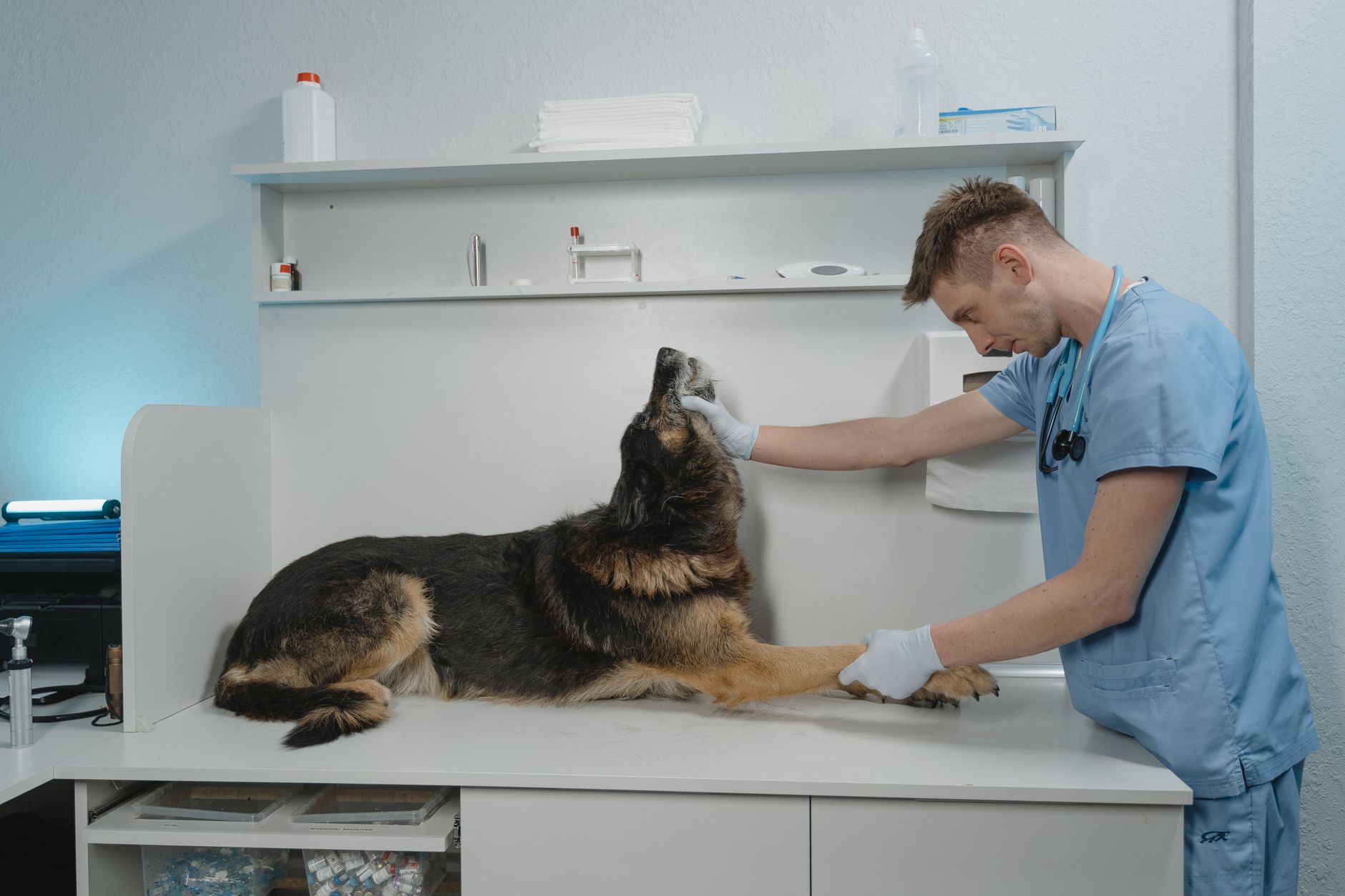
Overall, the Kuvasz is a remarkably robust and hardy working breed, but their massive skeletal structure and deep chests make them vulnerable to certain orthopedic and acute conditions. Regular veterinary screening, joint supplementation, and maintaining an optimal, lean body weight are crucial to preventing early-onset joint degeneration in my patients.
Gastric Dilatation-Volvulus (GDV/Bloat)
A life-threatening medical emergency where the deep-chested stomach fills with gas and twists on its axis, cutting off blood supply to vital organs. This requires immediate emergency surgical intervention and is the leading acute killer of giant breeds.
Hip Dysplasia
A genetic condition where the femur does not fit snugly into the pelvic socket, leading to progressive osteoarthritis, severe pain, and mobility issues. In my practice, I always recommend screening parent dogs via PennHIP or OFA.
Osteochondritis Dissecans (OCD)
An inflammatory condition where diseased cartilage separates from the underlying bone, most commonly affecting the shoulder, elbow, or hock joints of rapidly growing large puppies.
Progressive Retinal Atrophy (PRA)
An inherited degenerative eye disorder that leads to bilateral, progressive blindness due to the slow loss of photoreceptors in the retina.
Hypothyroidism
An underactive thyroid gland that slows the dog’s metabolism, which is highly manageable with daily oral hormone replacement therapy.
How long do Kuvaszs typically live?
On average, a healthy Kuvasz lives between 10 to 12 years. This is a very respectable lifespan for a giant breed, which can be maximized through joint supplements, a high-quality diet, and preventing rapid growth during puppyhood.
What to Feed a Kuvasz
Feeding a giant breed like the Kuvasz requires strict portion control to avoid rapid growth in puppyhood and obesity in adulthood. Because they have a relatively slow metabolism for their massive size, overfeeding can rapidly stress their developing joints and increase bloat risks.
Best Diet
I highly recommend a high-quality giant-breed specific kibble. For puppies, it is vital to feed a formula specifically designed for large breeds to tightly regulate the calcium-to-phosphorus ratio, preventing rapid, uneven skeletal growth.
How to Feed
Always split their daily food intake into at least two, preferably three, smaller meals. Use a slow-feeder bowl and strictly enforce a ‘no-exercise’ rule for one hour before and two hours after eating to minimize the risk of GDV.
How Much to Feed
Portion sizes typically range from 4 to 6 cups of high-quality dry food per day, but this varies wildly depending on age, weight, and activity level. Always consult your veterinarian to calculate exact caloric needs based on a Body Condition Score.
Nutritional Tips
Incorporate joint support supplements like glucosamine, chondroitin, and high-quality omega-3 fatty acids (EPA/DHA) early in life. Avoid high-protein, calorie-dense puppy foods that promote rapid, uneven skeletal growth.
Kuvasz Grooming Guide
The Kuvasz has a beautiful, odorless white coat that is surprisingly self-cleaning; once mud and dirt dry, they easily brush out. However, their thick double coat requires dedicated maintenance to prevent painful matting and manage shedding.
Coat Care
Brush your Kuvasz at least twice a week using a slicker brush and an undercoat rake to remove dead hair and prevent mats behind the ears and thighs. During the heavy spring shedding season, daily brushing is essential.
Skin Care
Avoid frequent bathing, as this strips the natural protective oils that make their coat water- and dirt-resistant. If a bath is necessary, use a gentle, soap-free oatmeal shampoo and dry them thoroughly to prevent hot spots.
Eye Care
Wipe the corners of the eyes gently with a damp, warm cloth if you notice tear staining, which is highly visible on their white fur, and check for any signs of conjunctivitis.
Ear Care
Check their drop ears weekly for wax buildup, moisture, or redness, and clean them with a veterinarian-approved ear cleaner to prevent yeast infections.
Nail & Dental Care
Trim their thick nails every 3 to 4 weeks using heavy-duty clippers or a dremel, and brush their teeth at least three times a week to prevent periodontal disease.
Considerations for Pet Parents
Pros
- Unmatched loyalty and devotion to the family pack
- Excellent, quiet natural watchdog and personal guardian
- Highly intelligent and independent problem solver
- Very clean, virtually odorless, self-cleaning coat
- Remarkably tolerant of cold and winter weather
- Calm, dignified, and quiet presence indoors
Cons
- Extreme shedding, particularly during seasonal coat blows
- High potential for aggression if poorly socialized
- Very independent and highly resistant to repetitive training
- Not suited for apartment living or small spaces
- Prone to life-threatening gastric bloat (GDV)
Best For
A Kuvasz is best for experienced owners with a spacious, securely fenced property who understand and respect guardian dog behavior. They thrive with active handlers who can dedicate significant time to early, intensive socialization and consistent, positive leadership.
Not Recommended For
They are not recommended for novice owners, apartment dwellers, or families living in busy urban areas with constant foot traffic and visitors. Their natural instinct to protect their territory and family makes a highly social, chaotic environment stressful and potentially dangerous.
Cost
- purchase price$1,500 – $2,500
- monthly cost$150 – $250
- initial setupExpect to spend $1,000 – $1,500 initially on giant-breed crates, durable heavy-duty toys, secure tall fencing, and initial veterinary vaccinations and microchipping.
Similar Breeds
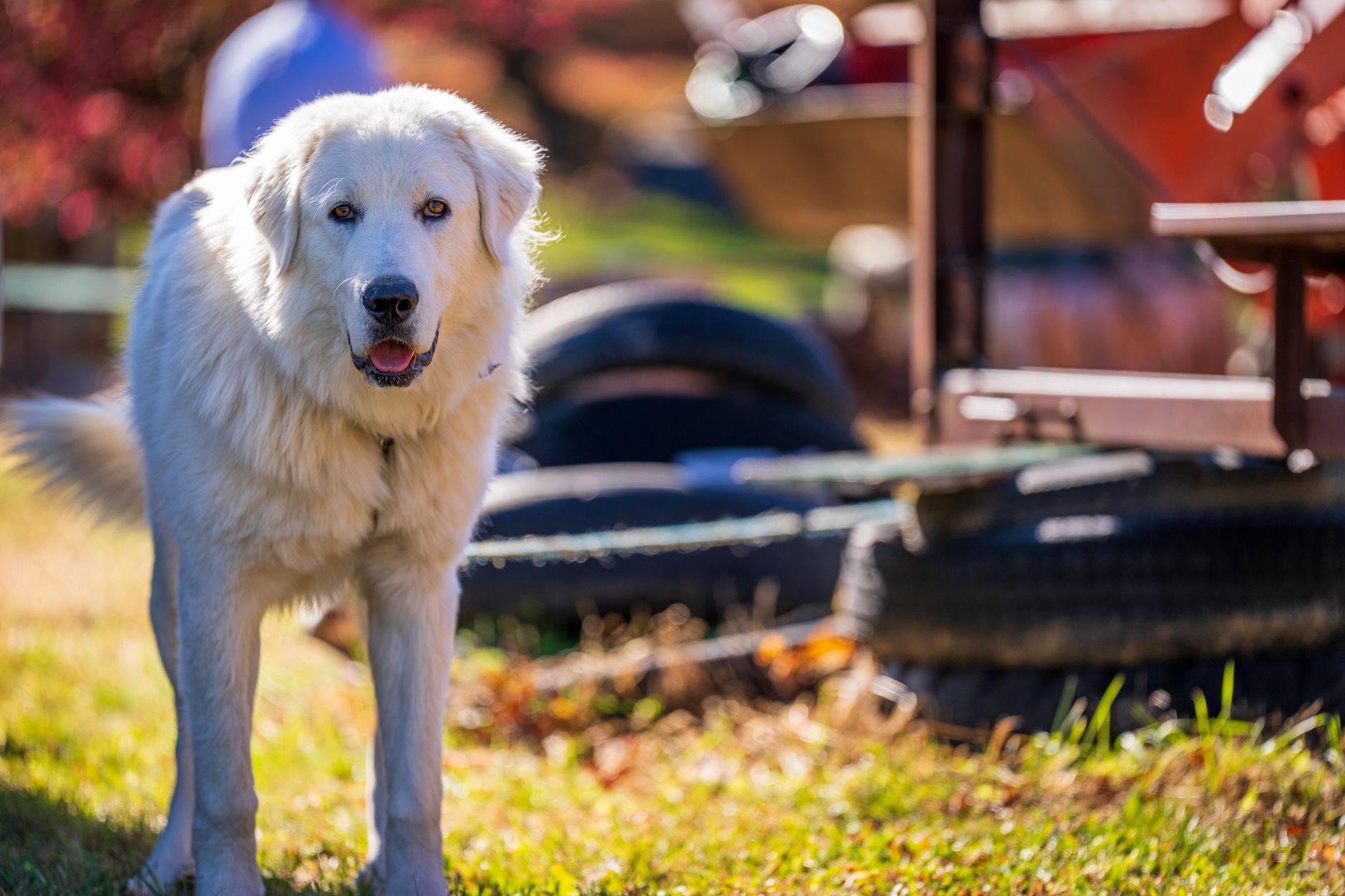
Great Pyrenees
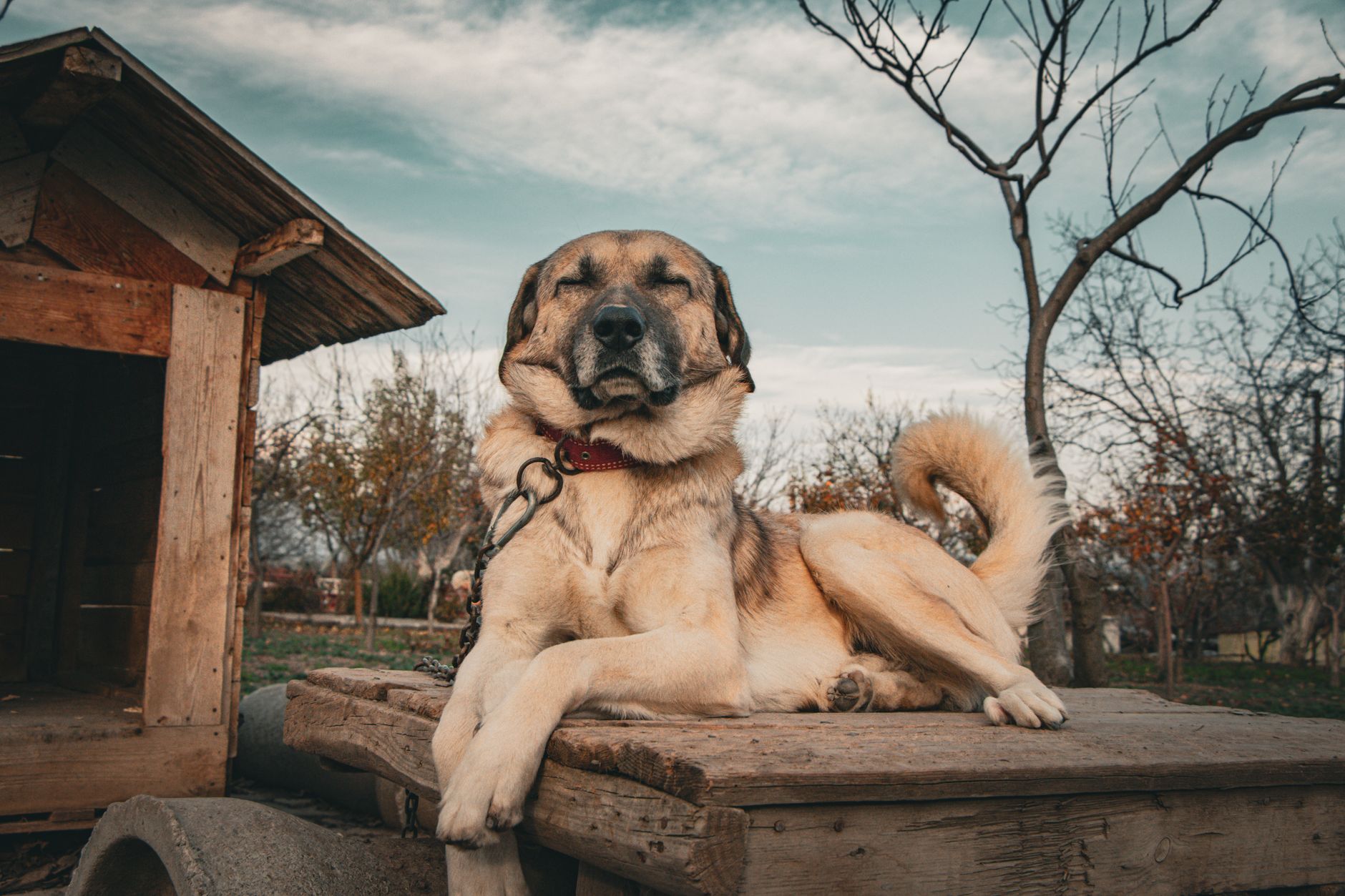
Anatolian Shepherd
Kuvasz FAQs
How do you socialize a Kuvasz puppy properly?
Socialization must be structured, positive, and relentless. Introduce your puppy to at least 100 different people, sounds, environments, and other animals before 16 weeks of age, ensuring every interaction is rewarding with treats to build positive associations rather than fear or suspicion.
Why does my Kuvasz have black skin if their fur is white?
The Kuvasz should naturally have highly pigmented slate-gray or black skin, which acts as a natural sunblock. This dark pigmentation is visible on their nose, lips, eye rims, and pads, and is a key breed standard protecting them from sunburn during long hours guarding flocks in open pastures.
Do Kuvaszok bark a lot?
Unlike some smaller watchdogs, a Kuvasz rarely barks without a specific reason. They are quiet guardians by nature, preferring to observe, but they will unleash a powerful, deep alert bark if they perceive a threat approaching their boundaries, especially at night.
Can a Kuvasz live in a hot climate?
While they prefer cold weather due to their thick double coat, they can adapt to hot climates if kept indoors with air conditioning during peak heat hours. You must provide abundant shade, cool fresh water, and never shave their coat, as the white fur actually insulates them from the heat and prevents sunburn.
What is the difference between a Great Pyrenees and a Kuvasz?
Though they look similar, the Kuvasz is typically more active, agile, and athletic than the heavier Great Pyrenees. Professionally, I find the Kuvasz tends to be slightly more intense, alert, and demanding of consistent leadership, whereas Pyrenees are often described as more laid-back.
Are Kuvaszok prone to separation anxiety?
No, because of their high level of independence and history of working alone with flocks, they rarely suffer from separation anxiety. However, they should still not be left completely isolated for days on end, as they require a feeling of connection to their family flock.
How high should a fence be for a Kuvasz?
A secure fence of at least 5 to 6 feet in height is mandatory for a Kuvasz. They are surprisingly agile jumpers and possess a strong territorial instinct; they will attempt to expand their boundaries if they feel a nearby area needs guarding, and invisible electric fences are highly discouraged.
At what age is a Kuvasz fully grown?
Like most giant breeds, a Kuvasz grows physically until they are about 2 years old, and they continue to fill out and mature mentally until they are 3. It is critical to manage their exercise and nutrition carefully during this extended growth phase to protect their joints.
Can you shave a Kuvasz to keep them cool in summer?
Never shave a Kuvasz. Shaving ruins the undercoat’s natural structure, interferes with their ability to thermoregulate, and exposes their skin to dangerous UV rays, sunburn, and biting insects; their white coat acts as an insulator against both cold and heat.
Are Kuvaszok aggressive?
They are not inherently malicious, but they are genetically programmed to be protective and suspicious. Without extensive, lifelong socialization and clear leadership, their protective nature can easily manifest as territorial or defensive aggression toward strangers or other animals.
How much exercise does a Kuvasz need daily?
They require a moderate amount of daily exercise, typically around 60 minutes of active walking or hiking, combined with mental stimulation. They are not high-velocity athletes but need consistent movement to maintain muscle mass and joint health.
Why is my Kuvasz puppy limping?
Limping in a growing Kuvasz puppy should always be evaluated by a veterinarian immediately. It could be a sign of rapid-growth disorders like panosteitis (‘growing pains’), osteochondritis dissecans (OCD), or early hip dysplasia, which require prompt clinical management to avoid long-term damage.
Are Kuvaszok good off-leash?
Generally, no. Due to their independent nature, strong protective instinct, and moderate prey drive, they should not be walked off-leash in unfenced, public areas. They will prioritize what they perceive as a threat or a target over your recall commands.
Sources & Further Reading
- American Kennel Club (AKC)
- ASPCA
- Merck Veterinary Manual
- American Veterinary Medical Association (AVMA)