
Curly-Coated Retriever Breed Guide

Quick Summary
The Curly-Coated Retriever is a robust, highly intelligent gundog distinguished by its water-resistant mass of tight curls and a surprisingly independent, aloof temperament compared to other retrievers. In my practice, I find they thrive with active, experienced owners who can provide both intense daily physical exercise and structured mental engagement.
Quick Facts
- origin countryEngland
- breed groupSporting
- sizeLarge
- weight range60 – 95 lbs (27 – 43 kg)
- height range23 – 27 inches (58 – 69 cm)
- lifespan10 – 12 years
- coat typeDense, crisp, water-resistant mass of small, tight curls
- common colorsBlack, Liver
- other namesCurly, CCR
- recognized byAKC, UKC, KC (UK), FCI
Caring for a Curly-Coated Retriever
Living with a Curly is an athletic commitment; these dogs do not thrive as sedentary couch potatoes. In my years treating this breed, I’ve noted that their physical needs are matched only by their need for mental stimulation. They require at least 60 to 90 minutes of vigorous daily exercise, ideally involving swimming or retrieval work, to prevent destructive behaviors born of boredom. They are remarkably hardy, but their developmental stages are long, meaning they act like giant, bouncy puppies well into their third year.
Is a Curly-Coated Retriever a good family pet?
Yes, but they are far more reserved and discerning than Golden or Labrador Retrievers. In my clinical experience, they are deeply loyal and protective of their family circle, though they may ignore strangers rather than greet them. They do wonderfully with active, older children who respect their boundaries.
Do Curly-Coated Retrievers shed a lot?
They actually shed less than many other retriever breeds, but they do experience seasonal ‘blow outs’ once or twice a year, particularly intact females. During these shedding periods, you’ll find small black or liver hair curls on your furniture, but daily maintenance is surprisingly minimal compared to a long-coated retriever.
Is a Curly-Coated Retriever good for first-time owners?
I generally advise against a Curly-Coated Retriever for first-time dog owners. Their intelligence combined with a streak of feline-like independence means they will easily outsmart an inexperienced handler. They require someone who understands confident, positive-reinforcement leadership and can handle their slow maturation rate.
Temperament & Personality
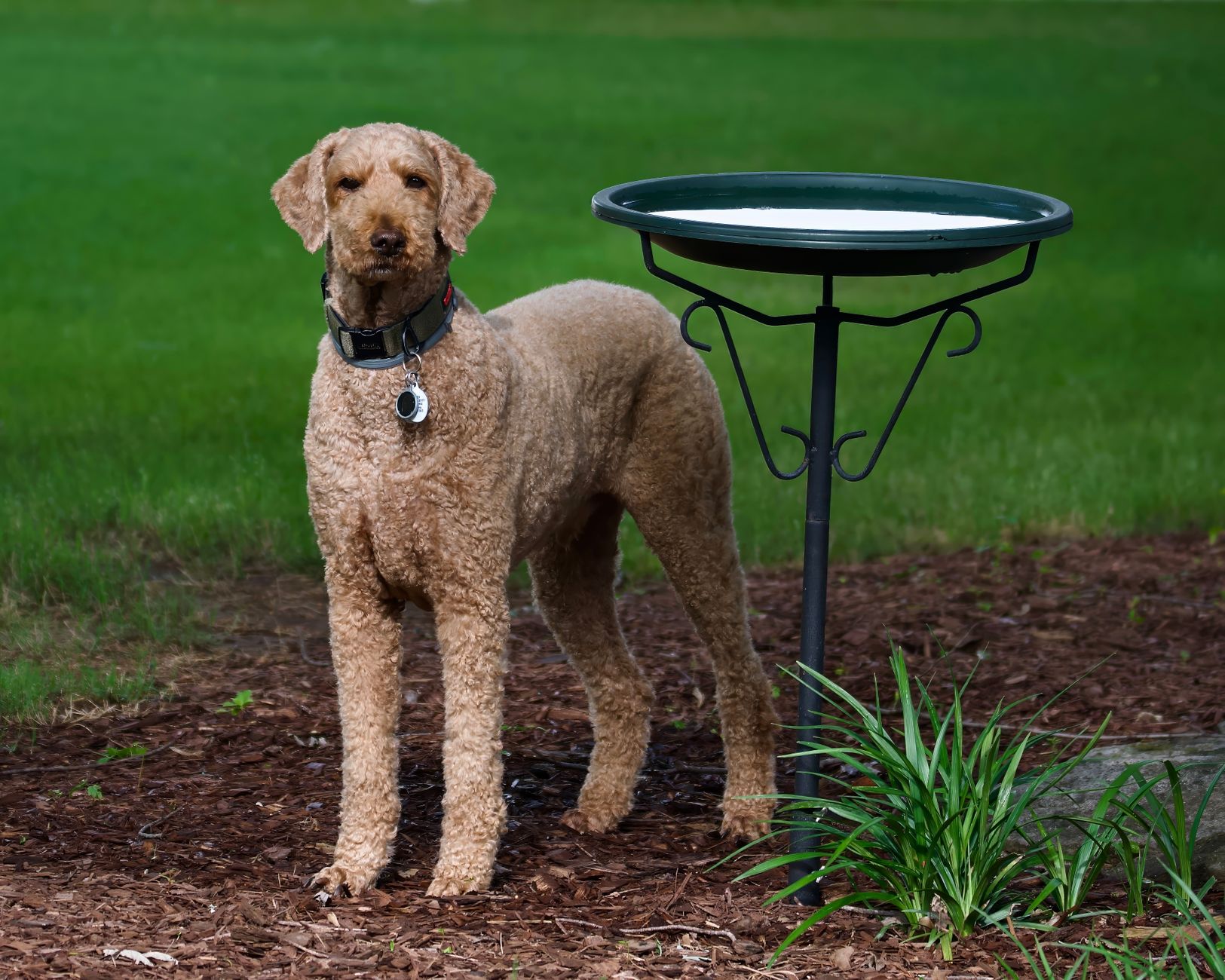
Unlike their overly eager-to-please cousins, Curlies possess a dignified, self-possessed, and occasionally aloof demeanor. I often describe them to my clients as having a ‘cat-like’ retriever personality—they love their people intensely but aren’t desperate for constant validation. They are wickedly smart, highly observant, and possess a strong protective instinct that is rare in the sporting group.
Is a Curly-Coated Retriever good with other pets?
With proper socialization, they generally cohabit well with other household dogs, though they can sometimes show same-sex assertiveness. I caution owners that their strong hunting drive means smaller pets like cats, rabbits, or birds require careful, supervised introductions and tight boundaries.
How much attention does a Curly-Coated Retriever need?
They need a high level of interactive engagement rather than constant physical coddling. While they won’t shadow your every step like a Velcro dog, they require regular shared activities—such as agility, tracking, or dock diving—to feel fulfilled and closely bonded to you.
Training & Behavior
Training a Curly is an exercise in creativity and patience, as they bore easily of repetitive drills. In my practice, I see behavior issues arise when owners treat them like Labradors; if you drill a Curly five times on the same command, they will simply refuse out of sheer boredom. They require short, intellectually stimulating training sessions that challenge their problem-solving skills.
Training Tips
- Use reward-based training with high-value treats and toys.
- Keep repetitions low; once they get it, move on.
- Begin socialization early, exposing them to diverse environments by 12 weeks.
- Incorporate scent work to engage their natural hunting instincts.
- Establish consistent, firm boundaries without ever resorting to harsh corrections.
Fun Activities
- Dock diving and open-water swimming
- Field trials and retriever hunt tests
- Scent work and tracking
- Agility and flyball
- Advanced obedience or rally
Is a Curly-Coated Retriever easy to train?
They are highly trainable due to their immense intelligence, but they are not ‘easy’ in the traditional sense. They possess an independent mind and will look for loopholes in your rules, meaning training success depends entirely on your ability to keep them motivated and engaged.
Curly-Coated Retriever Health Issues
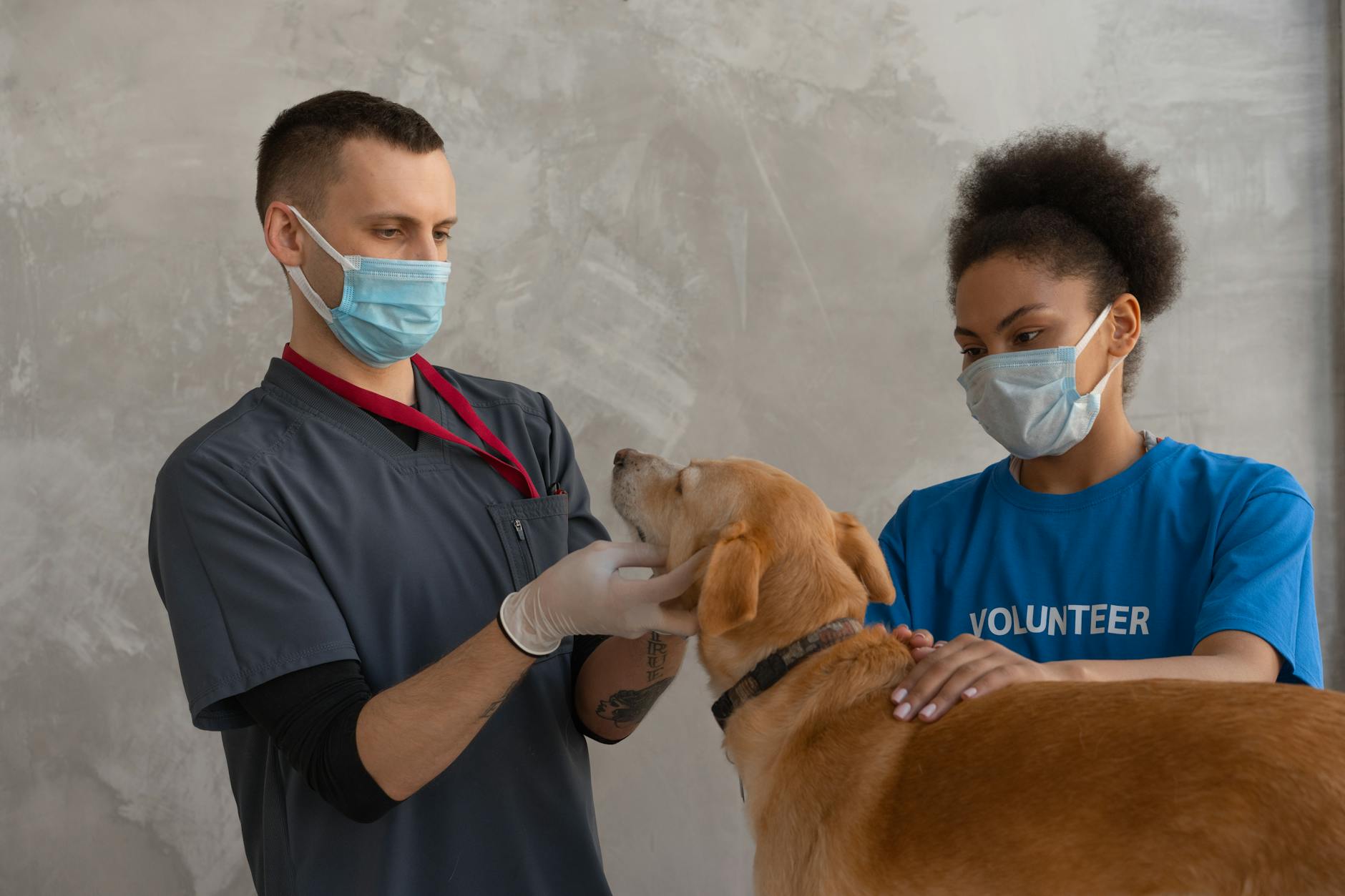
Generally, Curlies are a remarkably robust and athletic breed, lacking many of the structural weaknesses found in over-bred retriever lines. However, like all large breeds, they are genetically predisposed to specific orthopedic and ophthalmologic conditions that require vigilant screening.
Hip Dysplasia
A genetic malformation of the hip joint where the femur does not fit snugly into the pelvic socket, leading to arthritis. In my clinic, I always recommend PennHIP or OFA screening for any breeding stock to prevent this painful condition.
Pattern Baldness (Follicular Dysplasia)
A breed-specific skin condition where the hair follicles gradually miniaturize, leading to symmetrical hair loss on the thighs, neck, and flanks. While purely cosmetic and non-painful, it requires careful skin management to prevent secondary infections.
Gastric Dilatation-Volvulus (GDV/Bloat)
A life-threatening emergency where the stomach fills with gas and twists on its axis, cutting off blood supply. Because of the Curly’s deep chest, this is a critical risk that I frequently discuss with owners.
Ectropion and Entropion
Ophthalmic abnormalities where the eyelids either roll outward (ectropion) or inward (entropion), causing chronic corneal irritation or exposure keratitis.
Lymphosarcoma (Lymphoma)
This breed has a slightly higher incidence of lymphoma than the general canine population. Regular veterinary exams with thorough lymph node palpation are vital for early detection.
How long do Curly-Coated Retrievers typically live?
The typical lifespan of a healthy Curly-Coated Retriever is between 10 and 12 years. Providing a lean body weight, high-quality nutrition, and routine preventative veterinary care can maximize their chances of reaching their upper teens.
What to Feed a Curly-Coated Retriever
Feeding a Curly-Coated Retriever requires adjusting caloric intake to match their high-octane metabolic needs, which vary dramatically between a working gundog and a family pet. Because of their deep-chested anatomy, I recommend prioritizing strategies that mitigate bloat risks during feeding.
Best Diet
A high-quality, large-breed puppy formula is essential for the first 12 to 18 months to ensure slow, steady skeletal development. Transition to an adult formula rich in high-quality animal proteins and joint-supporting compounds like glucosamine and chondroitin.
How to Feed
Divide their daily ration into two equal meals, and never feed them from an elevated bowl unless medically indicated, as research suggests this can increase bloat risk. Avoid vigorous exercise for at least one hour before and after meals.
How Much to Feed
Active adults typically require 3 to 4.5 cups of high-quality kibble daily, depending on weight and activity levels. Always consult your veterinarian to calculate exact caloric requirements, as overfeeding can lead to joint-damaging obesity.
Nutritional Tips
Incorporate fresh omega-3 fatty acids (like wild-caught salmon oil) to support their unique curly coat and skin barrier. Additionally, keeping your Curly in a lean, athletic body condition (a score of 4 out of 9 on the Purina Body Condition System) is the single best preventative measure for their joints.
Curly-Coated Retriever Grooming Guide
The Curly’s coat is incredibly low-maintenance but highly unique; brushing it with a standard bristle brush is a cardinal sin that results in a frizzy, unmanageable mess. They require a distinct hands-on approach to keep their water-resistant curls tight and healthy.
Coat Care
Never brush or comb a dry Curly coat; instead, wet the coat down and massage it with your fingers to maintain the curl pattern. During heavy shedding seasons, you can use an undercoat rake or slicker brush only when wet, followed by a misting of water to let the curls reshape naturally.
Skin Care
Avoid frequent bathing with harsh shampoos, which strips the natural protective oils that keep their coat water-repellent; stick to plain water rinses or mild oatmeal-based shampoos only when absolutely necessary.
Eye Care
Wipe the corners of their eyes weekly with a damp cloth, paying close attention to any redness or discharge that might indicate structural eyelid issues like entropion.
Ear Care
Because they love water, their drop ears are highly prone to trapping moisture and developing yeast infections. Always dry their ears thoroughly with a cotton ball after swimming and use a veterinary-approved drying cleanser weekly.
Nail & Dental Care
Trimming their fast-growing nails every 2-3 weeks prevents splayed toes, and daily brushing with enzymatic pet toothpaste prevents periodontal disease, which I diagnose all too frequently in adult dogs.
Considerations for Pet Parents
Pros
- Extremely intelligent and superb problem solvers.
- Incredibly athletic and versatile outdoor companions.
- Dignified, quiet, and non-demanding inside the home.
- Waterproof coat that dries quickly and requires no clipping.
- Naturally protective and loyal to their immediate family.
Cons
- Can be aloof, reserved, or uninterested in strangers.
- Slow to mature, remaining puppyish and boisterous for years.
- Prone to bloat (GDV), a life-threatening medical emergency.
- Will easily outsmart passive or inexperienced owners.
Best For
Active outdoor enthusiasts, hunters, or experienced dog owners who want a highly intelligent, athletic partner for hiking, swimming, or dog sports, and who appreciate a more independent, cat-like canine personality.
Not Recommended For
Sedentary households, apartment dwellers without yard access, or first-time owners who expect the instant, easy-going friendliness of a Golden Retriever or Labrador.
Cost
- purchase price$1,500 – $2,500 USD
- monthly cost$150 – $250 USD
- initial setupBudget approximately $1,200 to $1,800 for initial puppy costs, including high-quality crates, veterinary wellness visits, microchipping, vaccines, and essential gear like waterproof bedding.
Similar Breeds

Flat-Coated Retriever

Irish Water Spaniel
Curly-Coated Retriever FAQs
Do Curly-Coated Retrievers smell?
Because of the protective natural oils in their coat, they can develop a distinct ‘doggy’ or ‘wet dog’ odor, especially after swimming. Regular rinsing with fresh water and thorough drying of their undercoat helps manage this scent.
Are Curly-Coated Retrievers rare?
Yes, they are one of the oldest retriever breeds but remain relatively rare today. This is actually a benefit, as they have avoided the genetic pitfalls of over-breeding and retain their classic, robust working structures.
How much exercise does a Curly-Coated Retriever need?
They require at least 60 to 90 minutes of active exercise daily. This should not just be leash walking; they need off-leash running, retrieving, swimming, or mental challenges like nose work to stay balanced.
Can they live in an apartment?
While possible if their massive exercise needs are met, I generally do not recommend apartments for Curlies. Their size, athletic nature, and tendency to alert-bark at hallway noises make a home with a fenced yard much more suitable.
Are Curly-Coated Retrievers hypoallergenic?
No, they are not hypoallergenic. While they shed less than some other retrievers, they still produce dander, and their seasonal coat shedding can trigger allergies in sensitive individuals.
Do Curly-Coated Retrievers like water?
Absolutely. They were bred to retrieve wildfowl from icy waters and possess a highly water-resistant double coat and webbed feet. Most Curlies will actively seek out any pool, lake, or puddle they can find.
How do you groom a Curly-Coated Retriever’s coat?
Grooming is unique: wet the coat down, massage the curls to shape them, and let it air-dry. Never brush a dry coat, as it ruins the curls, though you may use an undercoat rake during their twice-yearly shedding cycles.
Are they good watchdogs?
Yes, they are excellent watchdogs. Unlike Golden Retrievers who may welcome intruders, Curlies are naturally reserved with strangers and will alert you with a deep, booming bark if someone approaches your property.
How long do they take to mature?
They are notoriously slow to mature both physically and mentally. A Curly often retains its highly energetic, mischievous puppy attitude until they are about 3 years old.
Do they suffer from separation anxiety?
While they are independent, they are intensely loyal to their families and can develop separation anxiety if left alone for long periods without mental stimulation. Crate training and puzzle toys can help manage this.
Are they prone to ear infections?
Yes, because of their floppy drop ears and love for swimming, moisture easily gets trapped in the canal. Regular cleaning with a veterinary drying solution is crucial after every water excursion.
What is the difference between a Curly-Coated Retriever and an Irish Water Spaniel?
While they look similar, the Curly has a distinct wedge-shaped head, smaller and tighter curls, and a tail covered in curls rather than the Irish Water Spaniel’s ‘rat tail’. Temperamentally, Curlies are also generally more aloof.
Is a male or female Curly-Coated Retriever better?
Males tend to be larger, more affectionate, and somewhat more consistent in temperament, while females are often more independent, stubborn, and will experience hormonal shedding cycles if left intact.
Do they bark a lot?
They are not nuisance barkers, but they are vigilant watchdogs. They will bark to alert you of visitors or unusual sounds, but they generally quiet down once they see that you have acknowledged the situation.
Sources & Further Reading
- American Kennel Club (AKC)
- Merck Veterinary Manual
- American Veterinary Medical Association (AVMA)
- PetMD