
Mastiff Breed Guide

Quick Summary
The English Mastiff is a giant, gentle companion that combines immense physical presence with a deeply affectionate and docile soul. Perfect for spacious households, they behave more like oversized lapdogs than fierce guardians, requiring patient training and a tolerance for drool. Their quiet loyalty and calm indoor demeanor make them unmatched companions for those who can accommodate their massive scale.
Quick Facts
- origin countryEngland
- breed groupWorking
- sizeGiant
- weight range120 to 230 pounds
- height range27.5 to 30+ inches
- lifespan6 to 10 years
- coat typeShort, double coat
- common colorsFawn, Apricot, Brindle, always with a black mask
- other namesEnglish Mastiff, Old English Mastiff
- recognized byAKC, UKC, FCI, KC
Caring for a Mastiff
Living with a Mastiff is like sharing your home with a very polite, incredibly heavy piece of living furniture that occasionally drools on your clean pants. In my experience, they do not need a massive yard, but they do require enough indoor physical clearance to turn around without knocking over your coffee table. Day-to-day care involves managing their moderate energy levels with two short, structured walks and wiping down their facial wrinkles to prevent infections. You must also prepare yourself for the massive volume of food they consume and the rumbling, room-shaking snores they emit.
Is a Mastiff a good family pet?
Yes, they make wonderful family pets because of their patient, loving, and protective nature around their family members. However, because of their massive weight, I always warn owners that they can easily knock over toddlers or frail elderly family members by accident.
Do Mastiffs shed a lot?
They shed moderately year-round and shed heavily twice a year during seasonal changes. Regular weekly brushing with a rubber grooming mitt helps manage the loose, stiff hairs that otherwise weave themselves into your carpets and furniture.
Is a Mastiff good for first-time owners?
I do not recommend this breed for first-time owners. Managing a dog that can easily outweigh an adult human requires confident leadership, early socialization, and advanced training experience to prevent dangerous behaviors.
Temperament & Personality

The classic Mastiff temperament is a beautiful blend of courage, dignity, and soft-hearted docility. I have found them to be highly sensitive souls who thrive on human companionship and will completely wilt under harsh training methods. They are natural guardians who rarely need to act aggressively; their immense physical presence alone is usually enough of a deterrent. Around their inner circle, they are incredibly affectionate, often trying to sit directly on your lap.
Is a Mastiff good with other pets?
They can co-exist beautifully with other dogs and even cats if they are properly socialized from a young age. However, because of their size, I always supervise play sessions to ensure smaller pets are not accidentally stepped on or injured.
How much attention does a Mastiff need?
They are highly social and need to feel like an active part of the family circle; leaving them isolated in a yard can lead to severe depression. They do not need constant active engagement, but they absolutely prefer to be in the same room where you are sitting.
Training & Behavior
Training a Mastiff requires immense patience, consistency, and a highly positive approach. They are intelligent but can be remarkably stubborn if they feel they are being treated unfairly or if a command feels redundant. In my years of working with them, I have learned that a Mastiff who decides to sit down and refuse to budge cannot be physically forced to move, making cooperation and trust your only real options.
Training Tips
- Use high-value, low-calorie treats to motivate them
- Keep training sessions short, under 10 minutes, to maintain focus
- Focus heavily on loose-leash walking before they reach 50 pounds
- Socialize extensively with diverse people, dogs, and noises before 16 weeks
- Never use physical force or harsh scolding, as they shut down easily
Fun Activities
- Leisurely neighborhood walks
- Nosework and basic scent tracking
- Basic and intermediate obedience classes
- Therapy dog work in calm environments
- Low-impact backyard search-and-find games
Is a Mastiff easy to train?
They are highly intelligent and learn commands quickly, but they are not fast-moving or blindly obedient. I find that they will cooperate beautifully if they trust you, but they will execute commands at their own slow, deliberate pace.
Mastiff Health Issues

Like most giant breeds, Mastiffs face several significant health challenges and generally have a much shorter lifespan than smaller dogs. Partnering with a reputable breeder who screens parent dogs for genetic issues and working closely with your vet is critical for maximizing their quality of life.
Gastric Dilation-Volvulus (Bloat)
A life-threatening emergency where the stomach fills with gas and twists on itself, cutting off blood supply. I always advise owners to discuss a preventative gastropexy surgery with their vet.
Hip and Elbow Dysplasia
Heritable skeletal conditions where the joints do not fit together perfectly, leading to painful, progressive arthritis. Keeping your Mastiff at a lean weight is crucial to reduce stress on these structures.
Dilated Cardiomyopathy (DCM)
A serious heart condition where the heart muscle becomes thin and stretched, losing its ability to pump blood efficiently. Regular veterinary cardiac screenings are highly recommended.
Entropion and Ectropion
Eyelid abnormalities where the eyelid rolls inward (irritating the eyeball) or sags outward (exposing the eye to debris). Severe cases usually require surgical correction by a veterinary ophthalmologist.
Progressive Retinal Atrophy (PRA)
An inherited eye disorder that causes gradual deterioration of the retina, eventually leading to complete blindness. DNA testing of parent dogs can prevent this condition entirely.
How long do Mastiffs typically live?
On average, Mastiffs have a lifespan of 6 to 10 years. Providing proper nutrition, joint support, avoiding obesity, and regular veterinary checkups are key to helping them reach their senior years comfortably.
What to Feed a Mastiff
Feeding a giant breed is a major financial and nutritional responsibility. Puppies must grow slowly and steadily to prevent developmental orthopedic diseases, which means avoiding high-calorie foods that trigger rapid growth spurts.
Best Diet
I recommend a high-quality giant-breed specific dry kibble. During puppyhood, look specifically for giant breed puppy food with precisely balanced calcium-to-phosphorus ratios to support safe, controlled skeletal development.
How to Feed
Always split their daily food intake into at least two or three smaller meals to help prevent bloat. I strongly advise against using raised feeders unless specifically recommended by your vet, and always restrict vigorous exercise for one hour before and after meals.
How Much to Feed
Adult Mastiffs typically consume between 6 to 10 cups of food per day, depending on their weight, age, and activity level. You must consult your veterinarian to establish a precise caloric goal, as carrying even a few extra pounds can be devastating to their joints.
Nutritional Tips
Incorporate joint supplements like glucosamine, chondroitin, and omega-3 fatty acids early in life to support joint health. Avoid overfeeding at all costs; you should always be able to feel, but not easily see, their ribs.
Mastiff Grooming Guide
While their short coat is relatively low-maintenance, grooming a Mastiff is a large-scale job simply due to their physical surface area. The most critical, daily task involves managing their facial folds and moisture.
Coat Care
Brush their coat once or twice a week with a rubber grooming mitt or medium bristle brush to control shedding. They only need baths every 6 to 8 weeks unless they find something messy to roll in.
Skin Care
You must check and wipe down their facial wrinkles daily with a damp cloth or pet-safe wipe, ensuring you dry them completely. Leftover moisture in those dark folds is a breeding ground for yeast and bacterial infections.
Eye Care
Wipe away any discharge daily to keep their deep-set eyes clean and free of irritation.
Ear Care
Check their floppy ears weekly for redness, debris, or a sweet/musty odor, which indicates an infection. Clean them using a vet-approved ear rinse.
Nail & Dental Care
Trimming their thick nails weekly is essential; long nails cause joint pain and change their gait. Brush their teeth at least three times a week to prevent periodontal disease.
Considerations for Pet Parents
Pros
- Extremely loyal and affectionate family companion
- Calm and quiet indoor temperament
- Natural, non-aggressive guardian presence
- Moderate exercise requirements
- Relatively low grooming needs for their coat
- Patient and gentle with children
Cons
- Extremely short lifespan compared to smaller breeds
- High cost of food, medications, and veterinary care
- Produce significant amounts of drool and slobber
- Prone to loud snoring and flatulence
- Can be very stubborn and difficult to physically manage if untrained
Best For
The ideal owner is an experienced dog handler living in a spacious home who has the financial resources for giant-breed care. They must appreciate a slow-paced, affectionate companion and not mind a bit of slobber on their walls.
Not Recommended For
I do not recommend them for apartment dwellers, first-time dog owners, or highly active individuals looking for a running partner. They are also a poor fit for households where they will be left alone for long stretches of time.
Cost
- purchase price$1,500 to $3,500
- monthly cost$200 to $400
- initial setupExpect to spend $1,000 to $1,500 initially on massive-sized crates, heavy-duty beds, giant collars, and veterinary-strength heartworm/flea preventatives.
Similar Breeds
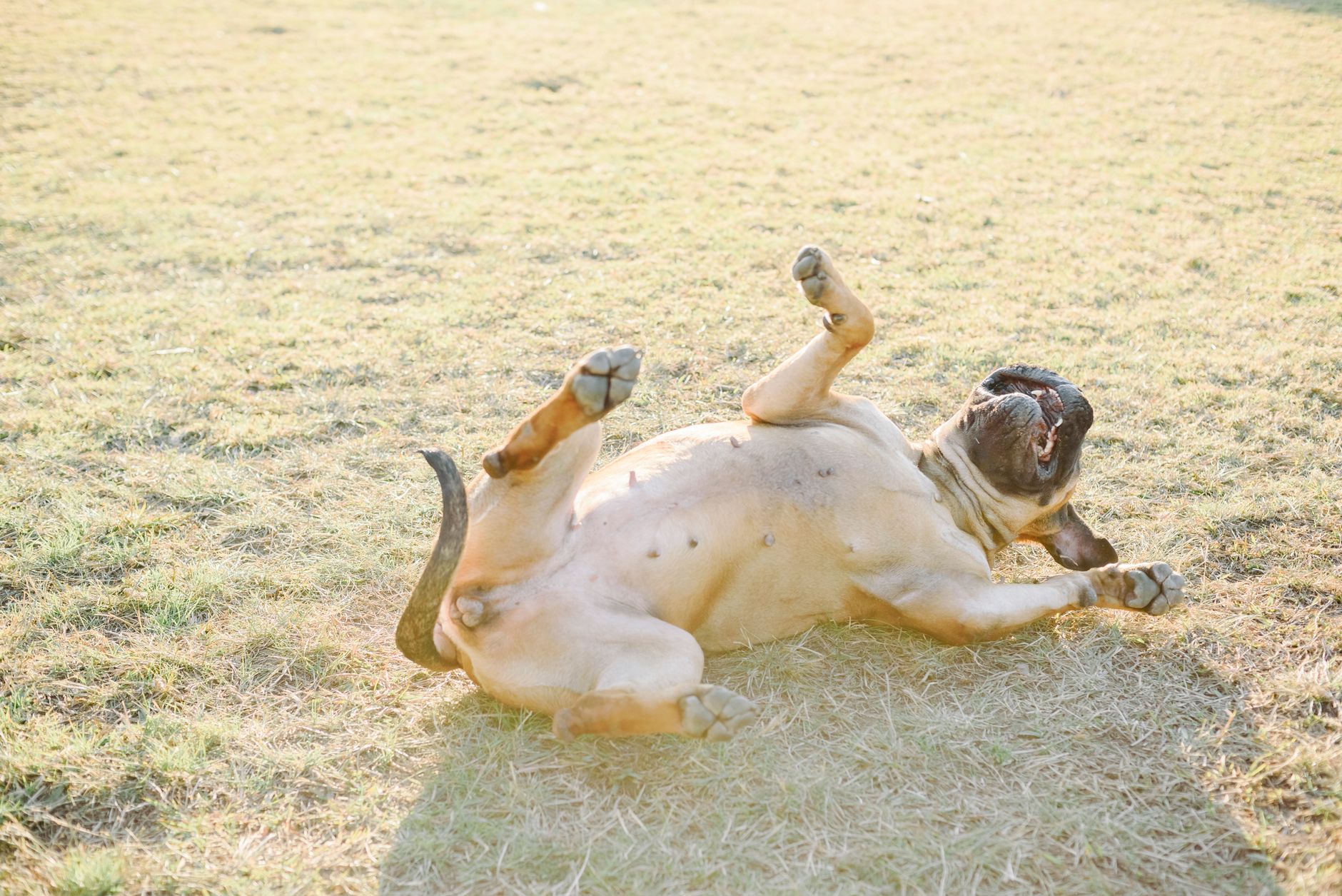
Bullmastiff
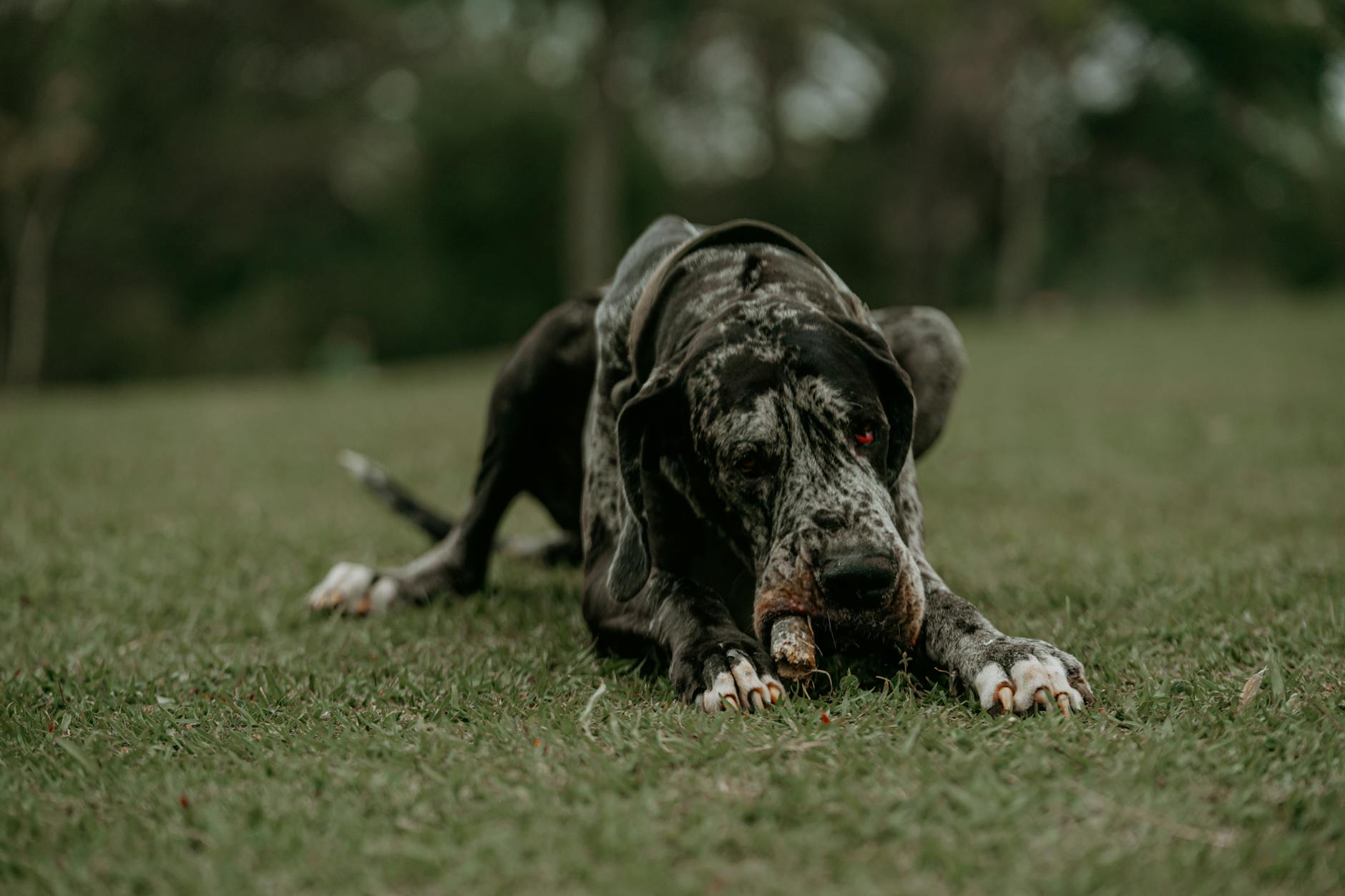
Great Dane
Mastiff FAQs
How much do Mastiffs actually drool?
They drool a lot, especially after drinking water, eating, or when they are warm or excited. I always advise keeping a drool rag handy in every room of the house, as they have a habit of shaking their heads and slinging slobber onto walls and furniture.
Can a Mastiff live in an apartment?
While they are quiet and have low energy indoors, I generally do not recommend them for apartments. Their physical size makes navigating tight hallways and stairs difficult, and carrying an injured or sick 200-pound dog down an elevator is nearly impossible.
Do Mastiffs bark a lot?
No, they are generally very quiet dogs that rarely bark without a clear reason. When they do bark, it is a deep, booming sound that is usually meant to alert you to someone approaching the property.
Are Mastiffs aggressive?
They are naturally protective but should never be aggressive. A well-bred, properly socialized Mastiff is confident and polite with strangers, preferring to stand calmly between their owner and a perceived threat rather than attacking.
At what age do Mastiffs stop growing?
They grow at a rapid rate physically but do not reach full skeletal and mental maturity until they are 2 to 3 years old. Their bones and joints are still fusing during this time, so low-impact exercise is crucial during their long development.
How do I stop a Mastiff from pulling on the leash?
You must start training them to walk on a loose leash the day you bring them home as a puppy. Use positive reinforcement, reward-based training, and front-clip harnesses; once they reach 150+ pounds, you cannot physically restrain them if they choose to pull.
Do Mastiffs smell bad?
They do not have a strong natural doggy odor, but they can smell bad if their skin folds, ears, or mouth are not kept clean and dry. Yeast infections in their facial wrinkles are a common source of unpleasant odors.
Are they cold-weather or warm-weather dogs?
They prefer cooler climates and can struggle significantly in hot, humid weather due to their heavy body mass and short muzzle. In the summer, keep them in air-conditioned environments and limit outdoor activity to the early morning or late evening.
How much exercise does a Mastiff need?
They only need about 30 to 45 minutes of moderate exercise daily, usually split into two short, leisurely walks. They are prone to overheating, so you should never force them to run or hike long distances, especially in warm weather.
Why is my Mastiff so stubborn?
Their stubbornness is often a sign of fatigue, boredom, or confusion. Because they are highly sensitive, they will shut down and refuse to cooperate if they feel rushed, stressed, or if you use a harsh, demanding tone of voice.
How do I safely transport a Mastiff?
You will need a large SUV, van, or station wagon with a spacious cargo area to transport an adult Mastiff safely. I recommend investing in a heavy-duty ramp to help them climb in and out of the vehicle, protecting their joints from high-impact jumps.
What is the difference between an English Mastiff and a Bullmastiff?
The English Mastiff is much larger, heavier, and generally has a calmer, more laid-back temperament. The Bullmastiff is smaller (100-130 lbs), has a shorter muzzle, and possesses a higher energy level and a more active guardian instinct.
Do Mastiffs chew on things?
As puppies, they can be highly destructive chewers simply because of their powerful jaws. It is vital to provide them with durable, giant-sized chew toys and supervise them closely to prevent them from chewing on furniture or swallowing dangerous items.
Can Mastiffs swim?
Most Mastiffs are not natural swimmers and their heavy, dense body structure makes staying afloat very difficult. If you plan to have them around pools or natural bodies of water, always supervise them and equip them with a heavy-duty dog life jacket.
Do Mastiffs need a fenced yard?
Yes, they should have a securely fenced yard to prevent them from wandering, but the fence does not need to be incredibly high. A solid, visible 5-to-6-foot fence is usually sufficient, as they are not prone to jumping or escaping.