
Karelian Bear Dog Breed Guide

Quick Summary
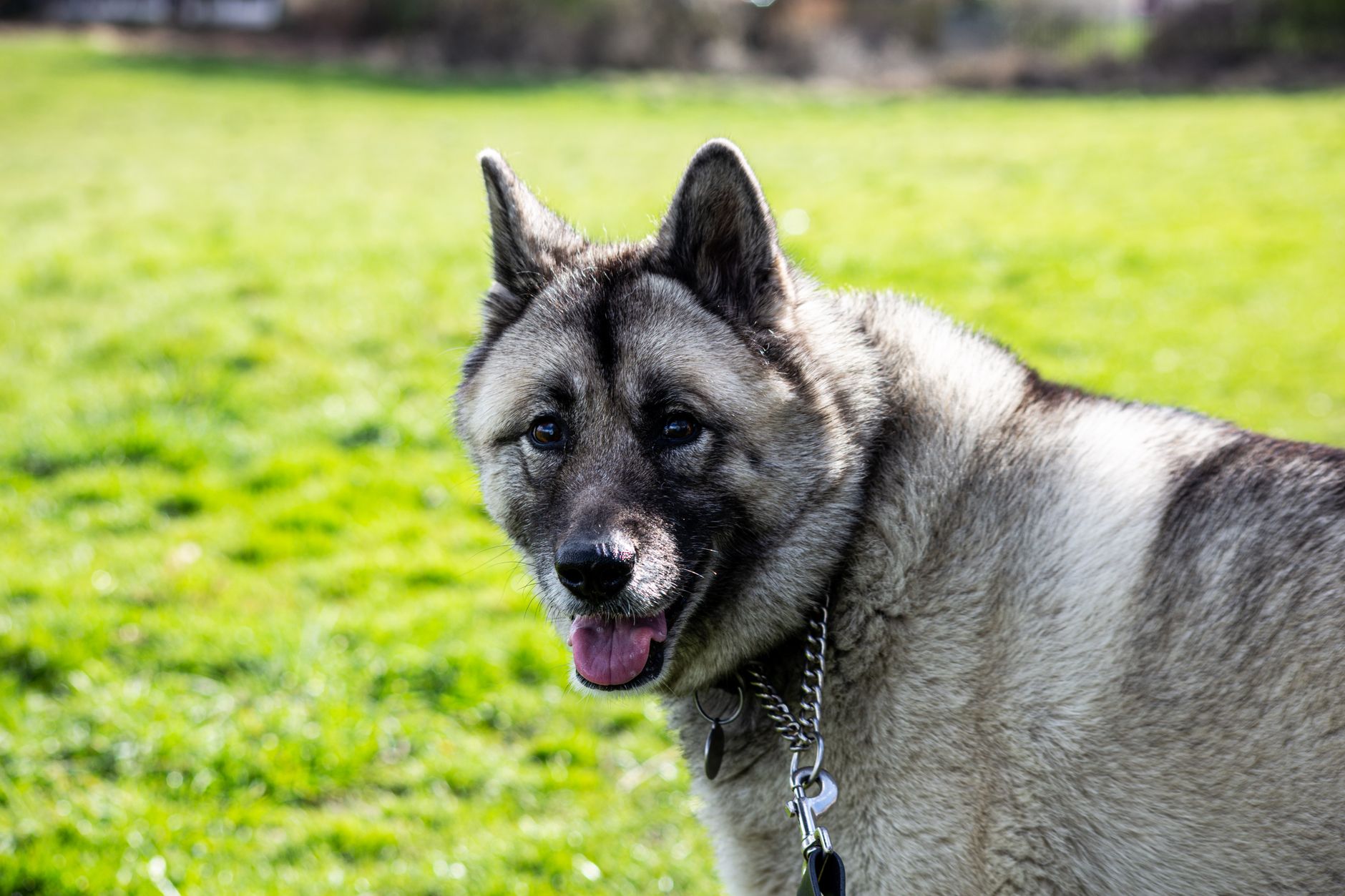
An exceptionally brave, resilient, and athletic northern breed from Finland, the Karelian Bear Dog is engineered for big-game hunting and is not a casual family pet. In my years treating this breed, I have found they thrive exclusively with highly experienced, active owners who can respect their independent, protective nature and provide them with a rigorous, outdoor-focused lifestyle. They are intensely loyal to their handlers but require highly skilled management to safely navigate their strong territorial instincts.
As an Amazon Associate, we earn from qualifying purchases.
Popular with Karelian Bear owners: Undercoat Rake · Hip & Joint Supplement · Orthopedic Dog Bed
Quick Facts
- origin countryFinland
- breed groupWorking (AKC Foundation Stock Service)
- sizeMedium to Large
- weight range44 to 66 pounds
- height range19 to 24 inches
- lifespan11 to 13 years
- coat typeDense, straight, weather-resistant double coat
- common colorsBlack with distinct white markings (often on the head, neck, chest, belly, and legs)
- other namesKarjalankarhukoira
- recognized byAKC (FSS), UKC, FCI
Caring for a Karelian Bear Dog
Living with a Karelian Bear Dog means managing a high-drive, intensely alert athlete. In my clinical practice, I find that these dogs do not tolerate sedentary lifestyles or close-quartered suburban settings; they require secure acreage or daily, high-intensity outdoor excursions to remain mentally balanced. Their double coat is remarkably weather-resistant but requires consistent management, especially during seasonal shedding cycles. You are looking at a dog that is deeply devoted to its direct family but naturally aloof and suspicious of outsiders, requiring vigilant management in public spaces.
Is a Karelian Bear Dog a good family pet?
They can be fiercely loyal and protective of their immediate household, but their intense guarding instincts and high prey drive make them poorly suited for families with very young children. In my practice, I always tell owners that these dogs require firm, adult leadership and a highly structured home environment to thrive safely as family companions.
Do Karelian Bear Dogs shed a lot?
Yes, they are heavy shedders, particularly during their biannual undercoat ‘blowout’ in spring and fall, during which they shed massive clumps of hair. Throughout the rest of the year, they require brushing once or twice a week to keep their dense double coat free of debris and loose hair.
Is a Karelian Bear Dog good for first-time owners?
Absolutely not. What I see most often in practice is that novice owners quickly become overwhelmed by their extreme independence, physical strength, and territorial nature; they require an experienced handler who understands the unique psychology of northern working breeds.
Temperament & Personality
The Karelian Bear Dog possesses an extraordinarily brave, silent, and independent temperament, developed over centuries of tracking formidable big game like brown bears and moose. They are highly territorial and exhibit a natural suspicion toward strangers, which makes them superb watchdogs but demands rigorous lifelong socialization. Inside the home, they are remarkably quiet and dignified, but they possess an explosive energy reserve when taken outdoors.
Pecute Self-Cleaning Undercoat Rake
- ✓Designed for thick double coats
- ✓Rounded teeth glide without irritating skin
- ✓Self-cleaning for quick fur removal
- Long teeth reach deep into thick double coats to pull out dead hair during heavy shedding seasons
Is a Karelian Bear Dog good with other pets?
Generally, no. Their exceptionally high prey drive makes cohabitation with small animals like cats, rabbits, or pocket pets highly dangerous, and they can exhibit severe dog-directed aggression, particularly toward dogs of the same sex.
How much attention does a Karelian Bear Dog need?
While they do not crave constant physical coddling like many companion breeds, they require a high level of mental engagement, structured training, and joint physical activity with their handler to prevent severe frustration-based behaviors.
Training & Behavior
Training a Karelian Bear Dog requires a complete shift in mindset; they were bred to work independently of human handlers at great distances, meaning they do not possess an innate ‘eagerness to please’ like a Golden Retriever. I tell my clients to focus on establishing mutual respect using highly structured, reward-based training rather than heavy-handed correction, which will cause them to shut down or react defensively. Early, intensive socialization is non-negotiable to prevent their natural territoriality from turning into aggressive guarding behavior.
Training Tips
- Begin intensive socialization within the first 12 to 16 weeks of life
- Use extremely high-value food rewards to combat independent streaks
- Focus heavily on reliable recall training in highly secure, fenced areas
- Establish firm, consistent household boundaries without using physical force
- Keep training sessions short, highly engaging, and intellectually stimulating
Fun Activities
- Scent work and tracking exercises
- Skijoring and competitive sledding
- High-intensity wilderness hiking
- Canicross (cross-country running with your dog)
- Agility training for mental stimulation
Is a Karelian Bear Dog easy to train?
No, they are highly intelligent but exceptionally independent and stubborn. They require a handler who can maintain quiet, confident authority and use creative, reward-based methods to keep them actively engaged.
Karelian Bear Dog Health Issues
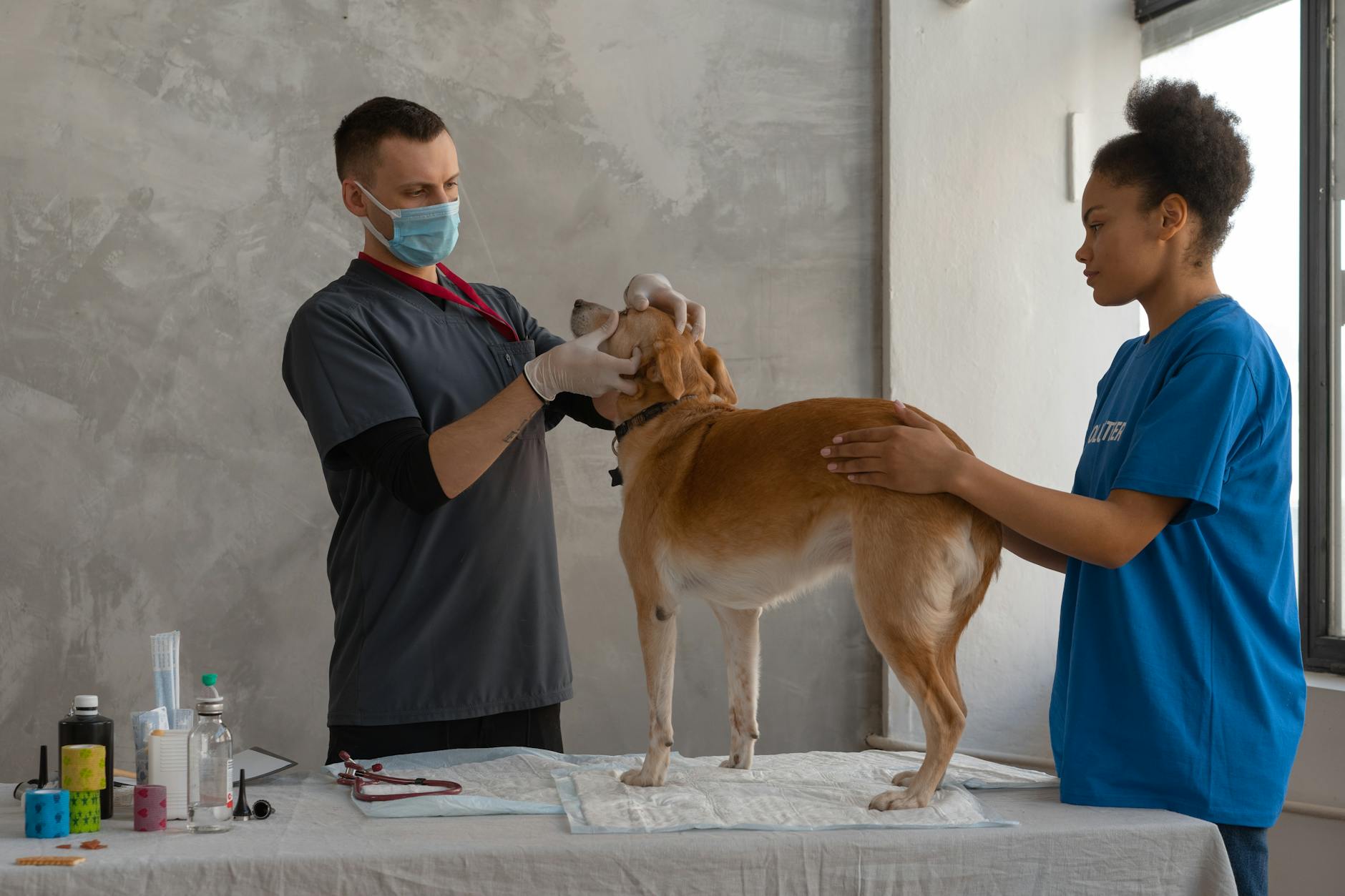
Historically, the Karelian Bear Dog has been bred for rugged functional utility in harsh climates, making them a remarkably robust and healthy breed with few genetic bottlenecks. However, like all medium-to-large working breeds, they are still susceptible to certain orthopedic and ocular conditions that I routinely screen for in my clinic.
Hip Dysplasia
A genetic malformation of the hip joint where the femur does not fit snugly into the pelvic socket, leading to progressive osteoarthritis. In my practice, I recommend OFA or PennHIP screening for all breeding stock before purchase.
Elbow Dysplasia
An inherited condition involving multiple developmental abnormalities of the elbow joint, leading to cartilage damage and painful arthritis. Early surgical intervention is sometimes required to preserve joint mobility.
Nutramax Cosequin Joint Supplement for Dogs
- ✓#1 vet-recommended retail joint supplement brand
- ✓Glucosamine and chondroitin sulfate
- ✓For young and senior dogs, small and large breeds
- Glucosamine and chondroitin chews support cartilage and mobility, especially in large, senior and dysplasia-prone dogs
Progressive Retinal Atrophy (PRA)
A family of genetic eye diseases that cause the gradual degeneration of the retina, eventually leading to complete blindness. A simple DNA test can identify carriers before they are bred.
Cataracts
An opacity of the crystalline lens of the eye that prevents light from reaching the retina, which can lead to vision loss or painful secondary glaucoma. This can be hereditary or develop with age.
Hypothyroidism
An endocrine disorder where the thyroid gland does not produce enough thyroid hormone, slowing down the dog’s metabolism. It is highly manageable with daily oral hormone replacement therapy.
How long do Karelian Bear Dogs typically live?
With optimal nutrition, preventive veterinary care, and adequate physical conditioning, a Karelian Bear Dog typically enjoys a lifespan of 11 to 13 years, which is excellent for a breed of their size.
What to Feed a Karelian Bear Dog
To support their high metabolic demands and muscular build, Karelian Bear Dogs require a nutrient-dense, high-quality diet. Because they are active working dogs, their caloric needs will fluctuate drastically depending on the season and their physical workload.
Best Diet
I recommend a high-protein, moderate-fat diet formulated specifically for active large breeds. Puppies should be fed a large-breed puppy formula to ensure a slow, controlled growth rate to protect their developing joints.
How to Feed
Divide their daily food into two distinct meals rather than free-feeding to monitor intake and prevent gastric upset. For working or highly active days, avoid feeding immediately before or after heavy physical exertion to reduce the risk of bloat.
How Much to Feed
Portion sizes should be calculated based on body weight, age, and activity level, typically ranging from 2.5 to 3.5 cups of high-quality dry kibble daily. You should work closely with your veterinarian to adjust portions based on body condition scoring.
Nutritional Tips
Adding joint supplements containing glucosamine, chondroitin, and Omega-3 fatty acids early in life can support joint health. Ensure they always have access to clean, fresh water, especially during high-intensity exercise.
Karelian Bear Dog Grooming Guide
The Karelian Bear Dog is relatively low-maintenance when it comes to daily grooming, as their harsh outer coat naturally repels dirt, mud, and water. However, they are heavy seasonal shedders, requiring dedicated attention during these transitional periods.
Coat Care
Brush the coat once or twice a week with a slicker brush and undercoat rake to remove loose dead hairs. During the heavy spring and fall shedding seasons, daily brushing will be required to manage the massive volume of undercoat blowout.
Skin Care
Bathe them only when absolutely necessary, typically 3 to 4 times a year, as over-bathing strips the coat of its natural protective oils and can cause dry, itchy skin.
Eye Care
Regularly wipe the corners of their eyes with a damp cloth to remove any minor discharge, noting any redness or cloudiness.
Ear Care
Inspect their upright ears weekly for signs of wax buildup, redness, or a foul odor, cleaning them gently with a vet-approved ear cleaning solution when necessary.
Nail & Dental Care
Trim their nails every 3 to 4 weeks using heavy-duty clippers to prevent splaying and joint pain, and brush their teeth daily with dog-safe enzymatic toothpaste.
Considerations for Pet Parents
Pros
- Extremely brave and reliable guardian
- Highly intelligent and independent thinker
- Remarkably robust and healthy breed
- Low-odor and dirt-repellent coat
- Deeply loyal to their immediate family
- Superb endurance and outdoor capability
Cons
- Extremely high prey drive
- Can be highly dog-aggressive
- Requires massive amounts of physical exercise
- Not suitable for novice dog owners
- Heavy seasonal shedding can be overwhelming
Best For
The ideal owner is an experienced handler, outdoor enthusiast, or homesteader living in a rural or semi-rural setting with a large, securely fenced yard. They need someone who understands northern working breeds and has the time to dedicate to extensive socialization and daily high-intensity exercise.
Not Recommended For
They are absolutely not recommended for apartment dwellers, first-time dog owners, or busy families who cannot dedicate several hours daily to physical exercise and mental stimulation. They will struggle in highly urban, crowded environments.
Cost
- purchase price$1,500 to $3,000 USD
- monthly cost$150 to $250 USD
- initial setupExpect to spend $1,000 to $2,000 initially on high-quality crates, secure heavy-duty fencing, professional-grade training tools, and initial veterinary examinations and vaccinations.
-
EHEYCIGA Orthopedic Extra Large Dog Bed, 44 inSupportive foam cushions hips and joints, ideal for large, senior or dysplasia-prone dogs
-
Diamond Naturals Skin & Coat Dog Food, Salmon & PotatoA complete, balanced diet matched to your dog’s size and age is the foundation of a healthy coat, gut and energy level
-
Outward Hound Nina Ottosson Dog Brick Puzzle ToyBurns mental energy in clever, easily bored dogs
Similar Breeds

Karelian Bear Dog FAQs
Why are they called Bear Dogs?
They were traditionally bred in Finland and northwestern Russia to track and corner large game, particularly brown bears, holding them at bay with agile movements and continuous barking until the hunter arrived.
Are Karelian Bear Dogs aggressive to humans?
By nature, they are not aggressive to humans but are highly aloof and suspicious of strangers. Without early, structured socialization, their strong protective and territorial instincts can manifest as defensive aggression if they feel their home or family is threatened.
How much exercise do they need daily?
They require a minimum of 90 to 120 minutes of vigorous, high-impact exercise daily. Simply walking them on a leash around a neighborhood is insufficient; they need high-speed running, hiking, or tracking work.
Can a Karelian Bear Dog live in an apartment?
No, I strongly advise against keeping this breed in an apartment. Their size, high energy level, vocal nature when working, and need for territorial space make them highly unsuited to confined urban living.
Are they vocal dogs?
They are silent searchers while tracking game but are ‘bark pointers,’ meaning they will bark intensely and persistently once they have cornered their target or if they detect an intruder on their territory.
Do they have a high prey drive?
Yes, their prey drive is exceptionally high. They will instinctively chase and often kill smaller animals like squirrels, cats, and rabbits, and must never be trusted off-leash in unfenced areas.
How do they handle cold weather?
They have an outstanding tolerance for extreme cold due to their dense double coat and northern heritage. They are far more comfortable in freezing winter temperatures than they are in hot, humid climates.
How do they handle hot weather?
Because of their thick double coat, they are prone to overheating in hot and humid climates. During summer months, I advise clients to limit strenuous activities to early mornings or late evenings and ensure access to air conditioning and cold water.
Do they bark a lot at home?
In the home, they are typically quiet and dignified, but they are highly alert watchdogs. They will bark sharply to alert you to anyone approaching their perceived territory.
Are they prone to separation anxiety?
Unlike some companion breeds, they are highly independent and generally tolerate being alone well, provided their physical and mental exercise needs have been thoroughly met before they are left.
Are they easy to socialize?
They can be challenging to socialize due to their inherent caution and territorial nature. Socialization must begin immediately during puppyhood and remain a consistent, lifelong practice to ensure they remain safe around strangers and other animals.
Do they drool a lot?
No, they have tight lips and a dry mouth, meaning drooling is minimal and usually only occurs briefly when they are anticipating food or panting heavily after intense exercise.