
Bouvier des Flandres Breed Guide
Quick Summary
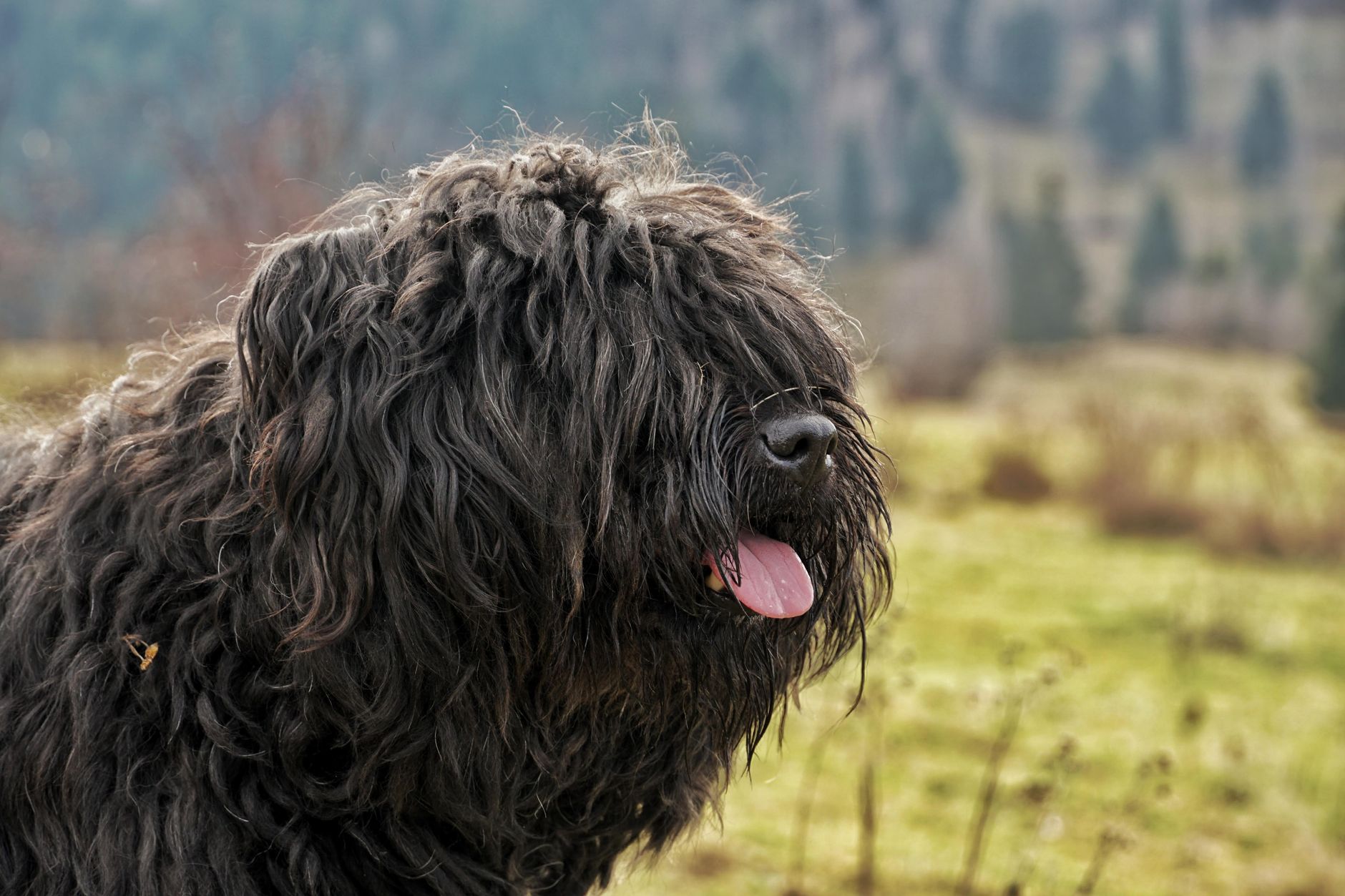
The Bouvier des Flandres is a powerful, serene, and intensely loyal herding breed originally bred as a versatile farm dog. In my clinical experience, they thrive best with active, experienced owners who can commit to rigorous grooming, early socialization, and daily mental and physical stimulation.
Quick Facts
- origin countryBelgium / France (Flanders)
- breed groupHerding Group
- sizeLarge
- weight range70 – 100 pounds (32 – 45 kg)
- height range23.5 – 27.5 inches (59 – 70 cm)
- lifespan10 – 12 years
- coat typeThick, harsh, tousled double coat
- common colorsBlack, grey, brindle, fawn, pepper-and-salt
- other namesVlaamse Koehond (Flanders Cattle Dog), Vuilbaard (Dirty Beard)
- recognized byAKC, UKC, FCI, CKC
Caring for a Bouvier des Flandres
Living with a Bouvier des Flandres is a rewarding but hands-on commitment that demands your full participation. From a veterinary standpoint, their dense double coat acts like a magnet for debris, requiring daily combing to prevent painful matting and skin infections. They require at least an hour of structured, vigorous exercise daily to channel their herding drives constructively. Inside the home, they are surprisingly quiet, dignified companions, but they always keep a watchful eye on their human pack.
Is a Bouvier des Flandres a good family pet?
Yes, they make excellent, deeply protective family pets for households with older children who understand dog boundaries. In my practice, I find they form intense bonds with their core family but must be socialized early so their natural protective instincts don’t turn into unwarranted suspicion of visitors.
Do Bouvier des Flandres shed a lot?
While they do not shed heavily onto your furniture in the way a German Shepherd does, they are high-maintenance shedders. Their loose hair gets trapped inside the dense undercoat, meaning if you do not brush them out thoroughly several times a week, that trapped hair will quickly form severe, painful mats.
Is a Bouvier des Flandres good for first-time owners?
I generally advise against a Bouvier for novice dog owners. Their combination of immense physical strength, strong-willed intelligence, and natural guarding instincts requires a confident handler who understands herding breed behaviors and consistent training.
Temperament & Personality
The Bouvier is a calm, sensible, and courageous dog that possesses a stable, even-tempered disposition. They are deeply devoted to their families and inherently protective without being needlessly aggressive. What I see most often in my clinic is their remarkable emotional intelligence; they are highly attuned to their owner’s moods but can exhibit a stubborn streak if they sense hesitation or a lack of leadership.
Is a Bouvier des Flandres good with other pets?
They can coexist peacefully with other household pets, including cats, if raised with them from puppyhood. However, due to their strong herding and prey drives, I always caution owners to monitor them around unfamiliar small animals or strange dogs.
How much attention does a Bouvier des Flandres need?
They need a high level of daily interaction and do not tolerate being left isolated in a backyard. If they are excluded from family life, they can easily develop destructive separation anxiety and nuisance barking behaviors.
Training & Behavior
Training a Bouvier is a journey of mutual respect rather than mindless obedience; they are highly intelligent thinkers who want to understand the purpose of a command. Because they were bred to make independent decisions on the farm, they can be obstinate if training is repetitive or harsh. In my professional opinion, positive reinforcement paired with clear, immovable boundaries is the only way to successfully train this breed.
Training Tips
- Begin socialization during the critical window of 8 to 16 weeks.
- Keep training sessions short, mentally engaging, and reward-based.
- Incorporate impulse-control games to manage their high prey/herding drives.
- Establish yourself as a calm, confident, and consistent leader.
- Never use physical punishment, as this breed will shut down or become defensive.
Fun Activities
- Competitive Herding Trials
- Agility and Obstacle Courses
- Carting and Drafting
- Scent Work and Tracking
- Advanced Obedience
Is a Bouvier des Flandres easy to train?
They are highly capable of learning complex tasks, but their independent nature means they aren’t ‘easy’ in the way a Golden Retriever is. You must be prepared to outthink them and remain entirely consistent with your rules.
Bouvier des Flandres Health Issues
Overall, the Bouvier des Flandres is a robust and hardy working breed, but they are genetically predisposed to several serious hereditary conditions. As a vet, I emphasize that purchasing from a breeder who performs comprehensive health clearances is your single best defense against these life-altering diseases.
Gastric Dilation-Volvulus (GDV or Bloat)
This is a life-threatening emergency where the stomach fills with gas and twists on its axis, cutting off blood flow. Because of the Bouvier’s deep-chested anatomy, they are at exceptionally high risk. I frequently recommend discussing a prophylactic gastropexy (stomach tacking) during their spay or neuter surgery.
Hip and Elbow Dysplasia
These are genetic orthopedic conditions where the joints fail to fit together smoothly, causing progressive, painful arthritis. Keeping your Bouvier at a lean, healthy weight and utilizing joint supplements early in life are critical management steps.
Subaortic Stenosis (SAS)
A congenital heart defect where a narrow ring of tissue below the aortic valve forces the heart to pump harder to circulate blood. I always perform meticulous cardiac auscultations on young Bouviers, as this condition can range from a mild murmur to a severe, life-limiting disease.
Laryngeal Paralysis
A progressive neurological condition that affects older Bouviers, where the muscles that open and close the airway fail, leading to partial airway obstruction. It requires careful management to prevent aspiration pneumonia and heat exhaustion.
Glaucoma and Cataracts
Bouviers are prone to several inherited eye disorders that can lead to pain and irreversible blindness. I highly advise annual CAER (Companion Animal Eye Registry) exams to catch these conditions before permanent damage occurs.
How long do Bouvier des Flandres typically live?
In my practice, I generally see healthy Bouviers live between 10 to 12 years. Proactive preventative veterinary care, a high-quality diet, and maintaining a lean body condition are key to maximizing their lifespan.
What to Feed a Bouvier des Flandres
Proper nutrition is vital for supporting the rapid growth of a large herding puppy and maintaining the joint health of an active adult Bouvier. Owners must be vigilant to prevent obesity, which places unnecessary stress on their large skeletal frames.
Best Diet
An industry-standard, high-quality large-breed formula that is rich in joint-supporting compounds like glucosamine and chondroitin. For puppies, look for a large-breed puppy formula designed to promote slow, controlled bone growth to prevent developmental orthopedic diseases.
How to Feed
I advise dividing their daily food ration into two or three smaller meals rather than one large feeding to minimize the risk of GDV (bloat). Avoid exercising your Bouvier for at least one hour before and after meals.
How Much to Feed
Adult Bouviers typically require between 3 to 5 cups of high-quality dry kibble daily, depending on their weight, age, and activity level. Always consult your veterinarian to establish a precise caloric plan tailored to your specific dog.
Nutritional Tips
Incorporate Omega-3 fatty acid supplements (such as high-quality wild-caught fish oil) into their diet. This is highly beneficial for both managing joint inflammation and maintaining their dense, coarse double coat.
Bouvier des Flandres Grooming Guide
Grooming a Bouvier des Flandres is an intensive, non-negotiable part of ownership. If you do not have the time or budget to commit to their upkeep, this is not the breed for you.
Coat Care
The coat must be thoroughly brushed and combed to the skin at least three times a week using a slicker brush and a metal line comb. They require professional clipping or hand-stripping every 6 to 8 weeks to maintain their signature rustic look and prevent severe matting.
Skin Care
Because their thick coat traps moisture, they are highly prone to hot spots and yeast infections. Ensure they are dried completely to the skin with a high-velocity dryer after any bath or swim.
Eye Care
The long hair on their face (their characteristic beard and eyebrows) must be trimmed regularly away from the eyes to prevent corneal irritation, tear-staining, and conjunctivitis.
Ear Care
Their floppy ears trap moisture and debris, and many Bouviers have hair growing inside the ear canals. Clean their ears weekly with a vet-approved drying cleanser, and watch closely for signs of yeast or bacterial otitis.
Nail & Dental Care
Trim their thick nails every 3 to 4 weeks using heavy-duty clippers, and brush their teeth daily to combat periodontal disease, which is highly common in large breeds.
Considerations for Pet Parents
Pros
- Extremely loyal and highly protective of their family.
- Calm and sensible house manners when properly exercised.
- Highly adaptable to various working roles and dog sports.
- Minimal loose hair shed onto furniture due to their double coat.
- Extremely intelligent and capable of complex problem-solving.
Cons
- Extremely demanding grooming requirements that require professional grooming fees.
- Can be stubborn, strong-willed, and dominant with timid owners.
- Their heavy ‘dirty beard’ traps water, mud, and food, depositing it around the house.
- High risk for life-threatening gastric bloat and joint issues.
Best For
Active, structured households with experienced dog owners who have ample time to dedicate to grooming, training, and daily physical exercise. They thrive in environments where they have a clear job to do.
Not Recommended For
First-time dog owners, highly fastidious housekeepers who cannot tolerate mud and wet beards, or apartment dwellers who cannot provide a large, securely fenced yard.
Cost
- purchase price$1,800 – $3,500 USD
- monthly cost$150 – $300 USD (excluding veterinary emergencies and professional grooming fees)
- initial setupInitial setup, including a heavy-duty crate, professional grooming equipment (dryers, tables, shears), puppy vaccinations, and gastropexy surgery, can easily range from $1,500 to $3,000.
Similar Breeds


Bouvier des Flandres FAQs
Are Bouvier des Flandres hypoallergenic?
No dog is completely hypoallergenic. While Bouviers are low-dander and do not shed loose hair onto your floors in large quantities, their heavy coats trap saliva, dander, and outdoor allergens like pollen, which can still trigger allergies.
Do Bouvier des Flandres drool a lot?
Generally, they do not drool excessively like a Mastiff. However, their massive, thick beards act like a sponge when they drink water, resulting in a wet beard that will drip water and slobber across your floors and furniture.
How much exercise does a Bouvier des Flandres need daily?
They require at least 60 to 90 minutes of daily, structured physical exercise. This should be paired with mental stimulation, such as puzzle toys, nose work, or obedience training, to prevent boredom-induced behaviors.
Are Bouviers aggressive?
They are not inherently aggressive, but they are naturally suspicious of strangers and possess strong guarding instincts. Without intensive early socialization, this natural protectiveness can manifest as fear-aggression or over-guarding.
Can Bouvier des Flandres live in apartments?
While they are quiet indoors, I do not recommend them for apartment living unless the owner is exceptionally dedicated to daily outdoor exercise. They are large, powerful working dogs that thrive best with a securely fenced yard.
Are Bouvier des Flandres easy to housebreak?
Yes, they are generally very clean dogs and housebreak quickly if you maintain a consistent schedule. Their high intelligence means they grasp the concept of outdoor elimination rapidly.
Do they bark a lot?
They are typically quiet dogs who do not bark without a specific reason. However, if they are left alone for long periods, suffer from separation anxiety, or spot a stranger near their property, they will use their booming, powerful bark.
Is it necessary to tail-dock and ear-crop a Bouvier?
Historically, tails were docked and ears cropped to prevent injuries while working cattle. Today, these are cosmetic procedures. In my clinic, I advocate for leaving ears and tails natural, as it does not affect their health or working ability.
How do Bouviers handle hot and cold weather?
Their heavy double coat protects them incredibly well against cold and wet climates. Conversely, they do not tolerate extreme heat well and are highly susceptible to heatstroke; they must have access to air conditioning and shade during summer.
What is the ‘Bouvier bounce’?
This refers to their joyful, springing gait when they are excited or working. It is a testament to their athletic herding heritage and is incredibly endearing to watch, though it can easily knock over small children if they aren’t careful.
Do they have a high prey drive?
Yes, their historical roles as farm guardians and herders give them a strong chase instinct. They are highly likely to chase squirrels, rabbits, cats, and even fast-moving bicycles if they are not trained to focus.
At what age is a Bouvier des Flandres fully grown?
They reach their full height by 12 to 18 months of age, but they will continue to fill out, gain muscle mass, and mature mentally until they are about 2 to 3 years old. They are a slow-maturing breed.