
Basset Hound Breed Guide
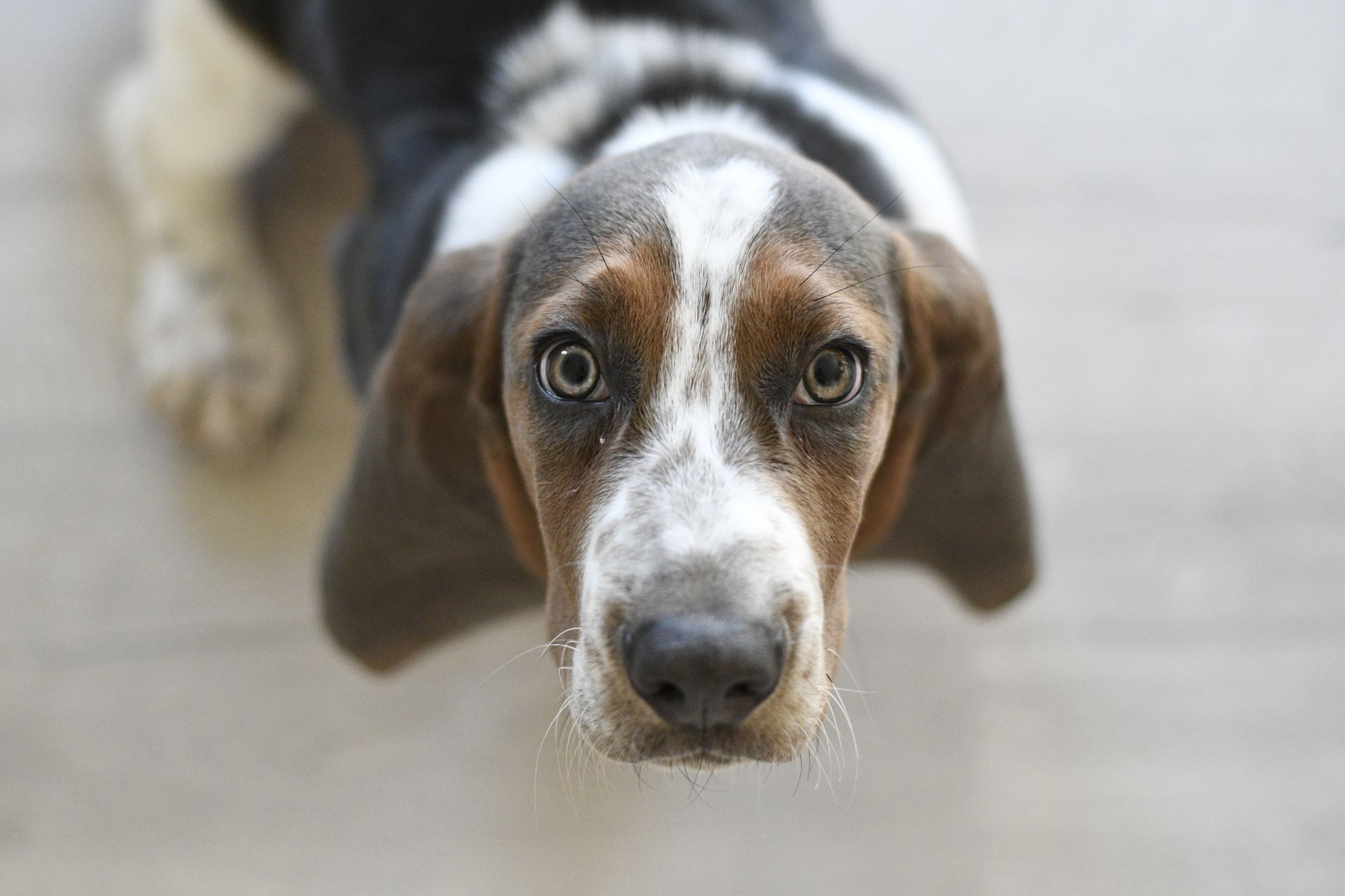
Quick Summary
The Basset Hound is a charmingly low-slung, intensely scent-driven companion renowned for its calm disposition, soulful eyes, and legendary stubbornness. Best suited for patient owners who appreciate a slower pace of life, this breed offers deep loyalty and a relaxed housemate status, provided you can manage their grooming needs and instinctual urge to follow their nose.
Quick Facts
- origin countryFrance
- breed groupHound
- sizeMedium (heavy-boned, low-slung)
- weight range40 to 65 pounds (18 to 29 kg)
- height rangeUp to 15 inches (38 cm) at the shoulder
- lifespan12 to 13 years
- coat typeShort, smooth, hard, close-fitting coat
- common colorsTri-color (black, white, tan), Red & White, Lemon & White, Mahogany & White
- other namesBasset
- recognized byAKC, UKC, KC (UK), FCI
Caring for a Basset Hound
Living with a Basset Hound is an exercise in patience, laughter, and keeping your counter surfaces completely clear of food. While they look like lazy couch potatoes, they require daily moderate exercise to keep their heavy joints healthy and prevent obesity, which is highly detrimental to their backs. I’ve found that their long ears and deep wrinkles need daily hygiene maintenance to prevent painful infections. You will need to get used to drool, baying when the doorbell rings, and a dog that moves at exactly its own pace.
Is a Basset Hound a good family pet?
Absolutely. Their patient, gentle demeanor makes them wonderful with children, as they are highly tolerant and rarely display aggression. However, because of their long backs, children must be taught never to ride or step on them to prevent spinal injuries.
Do Basset Hounds shed a lot?
Yes, despite having a short coat, Bassets are year-round, heavy shedders. Their dense hair clings to furniture and clothes, so you will need to commit to weekly brushing to keep the loose fur under control.
Is a Basset Hound good for first-time owners?
They can be, but their stubborn, independent nature can frustrate beginners. If you expect instant obedience, a Basset will disappoint you; but if you want a loving, low-key companion and can tolerate slow training, they are highly rewarding.
Temperament & Personality
The Basset Hound is famous for its sweet, gentle, and utterly relaxed temperament. They are highly social pack animals that generally get along with everyone they meet, from strangers to other pets. However, do not mistake their gentle nature for docility; they possess a distinct, independent streak and a stubborn mind of their own. When a scent catches their attention, they tune out the world entirely, reflecting their working hound heritage.
Is a Basset Hound good with other pets?
Yes, they are exceptionally amiable. Bred to hunt in packs, they naturally thrive around other dogs and typically cohabitate peacefully with cats, though their scent-tracking instincts might prompt them to follow a cat’s trail.
How much attention does a Basset Hound need?
While they love lounging near you, they are not overly needy ‘velcro’ dogs. They do, however, hate being left completely alone for long periods and can develop separation anxiety, manifested as howling or destructive chewing.
Training & Behavior
Training a Basset Hound requires high-value rewards, positive reinforcement, and a robust sense of humor. They are highly intelligent but motivated purely by self-interest (specifically food) rather than a desire to please you. In my experience, if they don’t see the point of a command, they will simply stare at you or pretend they can’t hear you over their long ears.
Training Tips
- Use exceptionally high-value food rewards like freeze-dried liver.
- Keep training sessions short, ideally 5 to 10 minutes, to prevent boredom.
- Never use harsh physical discipline; they will shut down entirely.
- Start recall training immediately, though never trust a Basset off-leash.
- Scent-work games are fantastic for mental stimulation and focus.
Fun Activities
- Scent Work or AKC Scent Work trials
- Tracking and trailing games in the yard
- Slow, sniff-heavy neighborhood walks
- Laying in sunny spots on the patio
- Low-impact agility avoiding high jumps
Is a Basset Hound easy to train?
No, they are notoriously difficult to train using traditional methods. They are bred to work independently of humans, so housebreaking and basic obedience take significantly longer than with eager-to-please breeds.
Basset Hound Health Issues
While structurally robust, the Basset’s unique dwarfism (chondrodysplasia) and heavy build make them prone to specific joint, spinal, and skin issues. Keeping them at a lean weight is the single most critical health intervention an owner can make.
Gastric Dilatation-Volvulus (GDV / Bloat)
A life-threatening condition where the deep chest allows the stomach to fill with gas and twist on itself. This requires immediate emergency surgery to save the dog’s life.
Intervertebral Disc Disease (IVDD)
Due to their long backs and short legs, the spinal discs are under immense stress and can rupture or herniate, causing extreme pain or paralysis.
Otitis Externa (Ear Infections)
Their long, heavy ear flaps trap moisture, dirt, and yeast inside the canal, making them highly susceptible to chronic, painful ear infections.
Glaucoma and Ectropion
The drooping skin around their eyes can cause ectropion (outward-turning eyelids), exposing the eye to debris, while glaucoma causes increased fluid pressure within the eye.
Hip and Elbow Dysplasia
Malformation of the joints that leads to painful arthritis and mobility issues, exacerbated greatly by puppyhood obesity or jumping off furniture.
Obesity
Bassets have a slow metabolism and love food, making them highly prone to excess weight, which puts dangerous pressure on their joints and spine.
How long do Basset Hounds typically live?
Basset Hounds generally have a lifespan of 12 to 13 years. Providing joint supplements early, keeping them slim, and managing their spinal health can help them live comfortably into their senior years.
What to Feed a Basset Hound
Basset Hounds live to eat, meaning they are prone to rapid weight gain if their diet is not strictly managed. I always tell owners to avoid free-feeding and use a slow-feeder bowl to prevent gulping air, which can contribute to life-threatening bloat.
Best Diet
A high-quality, large-breed adult kibble with controlled fat content, rich in glucosamine and chondroitin for joint support, is ideal. Avoid high-calorie diets unless they are actively working dogs.
How to Feed
Divide their daily food ration into two equal meals served at consistent times. Elevating the bowl slightly can help with physical comfort, but do not exercise them for at least an hour before or after eating to reduce bloat risk.
How Much to Feed
Typically, adult Bassets require 1.5 to 2.5 cups of dry food daily, but this varies wildly depending on activity level and age. Always consult your veterinarian to customize their caloric intake based on body condition score.
Nutritional Tips
Incorporate fresh, low-calorie treats like green beans or carrot sticks instead of high-fat commercial biscuits. Supplementing with omega-3 fatty acids can also work wonders for their skin folds and coat.
Basset Hound Grooming Guide
Grooming a Basset Hound is more about medical hygiene than beauty. Their skin wrinkles, droopy eyes, and heavy ears require diligent daily and weekly maintenance to prevent painful infections and foul odors.
Coat Care
Brush their short coat twice a week with a rubber grooming mitt or slicker brush to remove dead hair. Plan for baths every 2 to 4 weeks using a mild dog shampoo to keep their characteristic ‘hound mustiness’ at bay.
Skin Care
Wipe down their facial wrinkles and skin folds with a damp cloth or specialized pet wipes daily, ensuring you dry them thoroughly to prevent yeast and bacterial dermatitis.
Eye Care
Gently wipe away discharge from their droopy eyes daily with a damp cotton ball, watching closely for signs of redness or irritation.
Ear Care
Clean their heavy ear canals weekly using a vet-approved liquid ear cleaner. Gently dry the ear flaps to prevent trapped moisture from brewing infections.
Nail & Dental Care
Trim their thick, fast-growing nails every 2-3 weeks; because they don’t wear down easily, long nails put bad pressure on their splayed feet. Brush teeth 2-3 times a week.
Considerations for Pet Parents
Pros
- Calm, gentle, and highly affectionate family companion
- Excellent with children and highly tolerant
- Great with other dogs and household pets
- Relatively low exercise requirements compared to other hounds
- Highly entertaining, charming, and distinct personality
- Low-key housemate that contentedly sleeps for hours
Cons
- Prone to stubbornness and difficult to housebreak
- Heavy shedders with a distinct ‘hound’ odor
- Prone to severe drooling, especially after eating or drinking
- Loud, booming baying and howling when bored or alert
- High risk for expensive joint, spinal, and ear issues
Best For
Ideal for families or individuals looking for a low-key, loving companion who can commit to a strict ear and skin cleaning routine and doesn’t mind a bit of drool. They excel in households with a fenced yard where they can sniff to their heart’s content.
Not Recommended For
Not suitable for households with many stairs, owners who expect instant obedience, or those who cannot tolerate drooling and heavy shedding. They should not be left alone for 8+ hours a day due to separation anxiety.
Cost
- purchase price$1,200 to $2,500
- monthly cost$150 to $250
- initial setupExpect to spend $500 to $1,000 on essentials like ramps for furniture/vehicles, orthopedic beds, crates, grooming wipes, and a high-quality harness.
Similar Breeds

Beagle

Bloodhound
Basset Hound FAQs
Why do Basset Hounds howl?
Basset Hounds bay and howl because it was historically used to alert hunters to their location during a chase. Today, they do it when they are lonely, hear sirens, or want to alert you to something outside.
Can Basset Hounds swim?
Generally, no. Bassets are not natural swimmers and their heavy bones, short legs, and dense bodies make it extremely difficult for them to stay afloat. They should always wear a life jacket near water.
Why do Basset Hounds have such long ears?
Their long ears serve a vital evolutionary purpose: when tracking, the ears drag along the ground, kicking up and sweeping scent particles directly toward their highly sensitive nose.
How do you stop a Basset Hound from drooling?
You cannot stop a Basset from drooling, as it is a result of their loose, pendulous lips (flews). Keeping ‘drool rags’ around the house to wipe their mouths after they drink or eat is the best way to manage it.
Are Basset Hounds lazy?
While they love to sleep (often up to 15 hours a day), they are not completely lazy. They have great stamina and will happily walk for miles if allowed to sniff along the way.
Do Basset Hounds smell?
Yes, they naturally have a stronger ‘hound odor’ than many other breeds. This is caused by the natural oils in their skin, which can become yeastier and smellier if their skin folds and ears are not regularly cleaned.
How long does it take to housebreak a Basset Hound?
It can take up to 6 months to a year to fully housebreak a Basset. Their stubbornness and sensitivity to cold or rain make consistent crate training and positive reinforcement essential.
Can a Basset Hound jump onto the couch?
They can, but they should never be allowed to. Jumping down puts severe, concussive pressure on their long spines and short front legs, which can easily cause herniated discs (IVDD); always use ramp systems.
Are Basset Hounds destructive chewers?
Only when bored or suffering from separation anxiety. If left alone without mental stimulation, they can use their powerful jaws to chew furniture, shoes, or drywall.
How often do you need to clean a Basset Hound’s ears?
You should inspect their ears daily and clean them with a vet-recommended solution at least once a week, or more often if they have been playing in wet environments.
Is a Basset Hound aggressive?
Aggression is extremely rare in Basset Hounds. They are historically pack hounds bred to hunt peacefully alongside other dogs, meaning they are generally highly sociable and mild-mannered.
Can Basset Hounds live in an apartment?
Yes, they can adapt well to apartments due to their low-to-moderate indoor activity levels, provided they get daily walks and their loud baying does not disturb neighbors.
Why does my Basset Hound ignore me when we are outside?
Once outside, their scent receptors take over completely, shutting down their auditory focus. They are not intentionally ignoring you; they are biologically programmed to prioritize the scent trail.
What is the ‘Basset 500’?
This refers to the sudden, hilarious bursts of energy (or ‘zoomies’) where a Basset will sprint in circles, ears flying, before abruptly crashing back onto the couch to sleep.