
Dog Breeds Guide

Quick Summary
Dogs are incomparably loyal, highly adaptable companions that require a significant daily investment of time, training, and financial resources. While they offer unparalleled emotional support and integration into human families, successful ownership hinges on matching a breed’s energy and instinctual drives to your specific lifestyle. Choose wisely, and you gain a devoted partner for a decade or more; choose hastily, and you risk a mismatched, highly stressful home dynamic.
Having lived alongside and trained dogs for over twenty years, I can tell you that no other animal integrates into the human family structure quite like a dog. They are active participants in our lives, capable of reading our micro-expressions, sharing our outdoor adventures, and keeping us anchored to a healthy daily routine. However, this deep bond comes at a cost: dogs are highly social pack animals that cannot simply be left alone in a yard or apartment for 10 hours a day without consequence. From managing shedding and vet bills to dedicating hours each week to obedience training and physical exercise, welcoming a dog is less about acquiring a pet and more about committing to a fundamental lifestyle shift.
Quick Facts
- Average lifespan: 10 to 15 years, highly dependent on breed size
- Average annual cost: $1,500 to $4,300 including food, vet care, and insurance
- Daily exercise requirement: 30 minutes to 2+ hours depending on energy levels
- Sleep needs: 12 to 14 hours per day for adult dogs; up to 18-20 hours for puppies
- Communication methods: Vocalizations (barking, whining), body language, and scent marking
- Key developmental phase: Crucial socialization window closes around 16 weeks of age
Why People Love Them
The magic of owning a dog lies in their profound ability to form intuitive, empathetic connections with their handlers. They don’t just share our living spaces; they actively participate in our emotional lives, offering non-judgmental companionship and a reliable motivation to get outside and stay active. Whether it is the exuberant greeting you receive at the door or the quiet comfort of a warm head resting on your knee, dogs provide a unique sense of security and belonging.
Things to Consider Before Getting One
- Time commitment: Plan on a minimum of 2 hours daily for feeding, grooming, walking, and mental stimulation.
- Financial liability: Expect routine preventative vet care, emergency illness reserves, and high-quality nutrition to add up quickly.
- Behavioral management: Consistent training and early socialization are non-negotiable to prevent aggression, anxiety, or destructive habits.
- Travel restrictions: Spontaneous weekend trips become complex, requiring trusted pet-sitters, boarding facilities, or dog-friendly accommodations.
- Home maintenance: Be prepared for shedding, tracking in mud, occasional house-training accidents, and wear-and-tear on furniture.
Popular Breeds

Labrador Retriever
Exceptionally friendly, highly trainable, and famously versatile companions. They thrive in active households where they can swim, retrieve, and burn off their abundant energy. Just be prepared for heavy shedding seasons and an insatiable appetite that requires strict portion control.
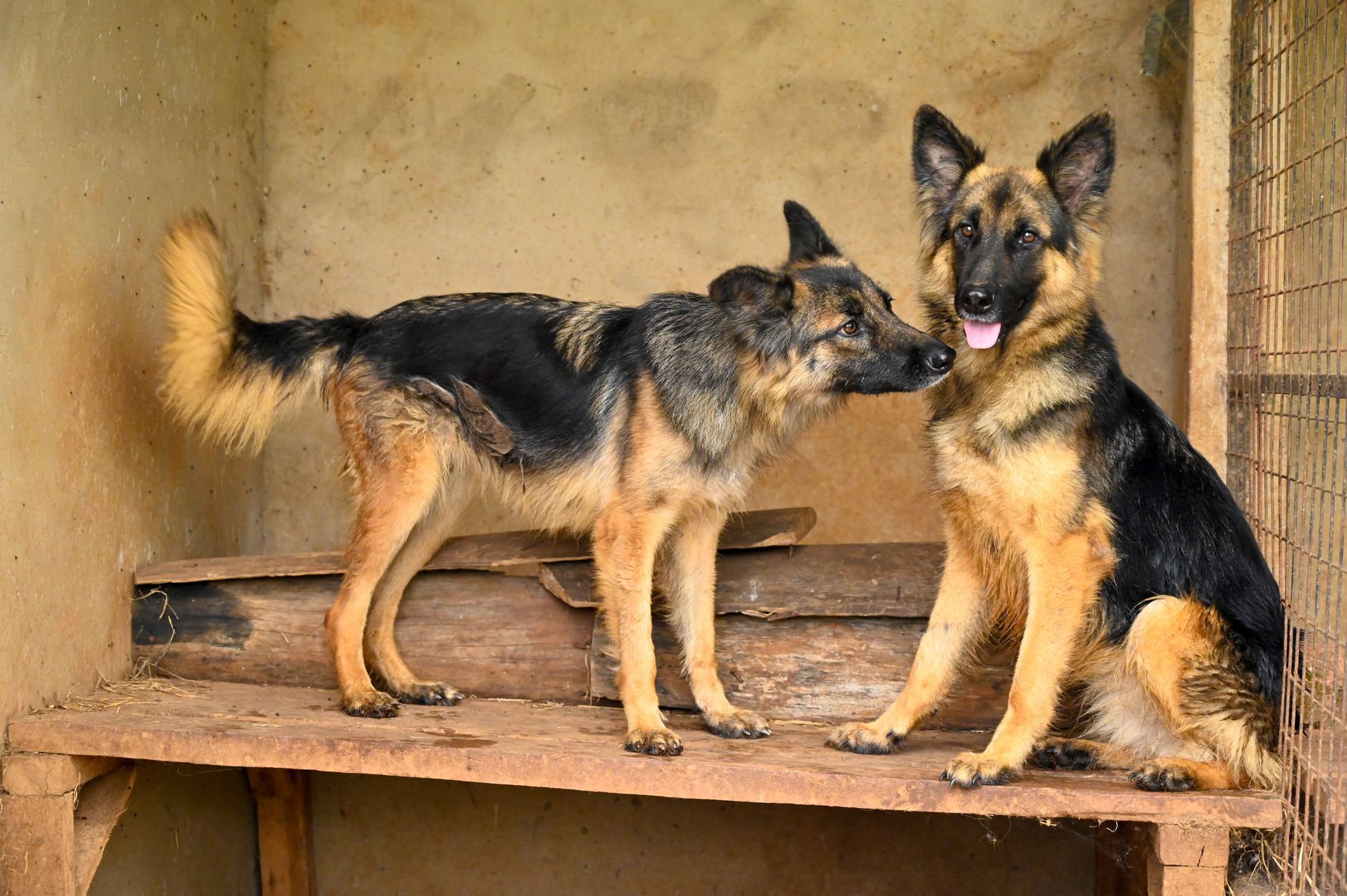
German Shepherd
Intensely loyal, highly intelligent, and natural protectors. They require rigorous mental stimulation and firm, experienced leadership to prevent overprotective behaviors. In the right hands, their versatility makes them unparalleled working and family dogs.

Golden Retriever
Gentle, eager-to-please, and incredibly patient. Their highly social nature makes them fantastic family pets, though they require regular coat brushing to manage their feathering. They do best when treated as true members of the household, involved in daily activities.

French Bulldog
Compact, affectionate, and low-energy compared to larger working breeds. Their flat-faced structure means they struggle in extreme heat and require careful veterinary monitoring for airway issues. They are perfect for apartment dwellers who can manage their unique health needs.

Beagle
Merry, curious, and governed entirely by their highly sensitive noses. These scenthounds are wonderful with children but can be stubborn to train and have a loud, distinctive bay. Secure fencing is a must, as they will wander off if they catch a compelling scent trail.

Border Collie
The undisputed workaholics of the canine world, possessing intense intelligence and athletic drive. They are not suited for casual owners; without a daily job or agility sport, they will invent their own, often destructive, entertainment. They thrive on complex training and long, active days.

Poodle (Standard)
Highly intelligent, athletic, and featuring a low-allergen coat that requires regular professional grooming. Often misunderstood as merely ornamental, they are actually incredibly versatile sporting dogs that excel in obedience and agility. Their keen minds require regular, engaging mental puzzles.

Rottweiler
Powerful, deeply devoted, and naturally protective guardians. They require early, intensive socialization and confident, calm handling to ensure their protective instincts are well-managed. When properly raised, they are affectionate, goofy, and fiercely loyal family protectors.

Chihuahua
Tiny dogs with massive, bold personalities that require surprisingly firm boundaries. Because of their small size, they are often coddled, which can lead to behavioral issues like resource guarding or excessive barking. Properly trained, they are incredibly loyal, long-lived, and affectionate lap companions.

Siberian Husky
Strikingly beautiful, highly energetic, and fiercely independent northern dogs. They are notorious escape artists and vocal vocalizers who require a highly secure yard and intensive daily exercise. Their thick double coats blow twice a year, resulting in massive amounts of loose fur.
All Dogs Breeds
Beginner-Friendly Breeds
Advice for First-Time Owners
As a first-time owner, your absolute best strategy is to prioritize a dog’s temperament and energy level over physical appearance. Seek out adult dogs from foster-based rescues or reputable breeders who can match you with an eager-to-please, medium-energy companion. Avoid high-drive working breeds, as their intense physical and mental demands can easily overwhelm an inexperienced handler.
Frequently Asked Questions
How do I successfully house-train a new puppy?
Consistency, crate training, and a strict schedule are your best tools. Take the puppy out immediately after waking, eating, or playing, and reward them lavishly with high-value treats the second they eliminate outside. Never punish accidents after the fact, as this only teaches the puppy to fear you rather than understand where to go.
How much daily exercise does a dog actually need?
The average companion dog needs about 30 to 60 minutes of physical exercise daily, combined with mental stimulation like puzzle toys or training sessions. High-energy working breeds, however, easily require two or more hours of rigorous activity to prevent behavioral issues born of boredom. Always tailor the routine to your specific dog’s age, breed, and health status.
What is the true cost of veterinary care over a dog’s life?
While routine annual checkups, vaccinations, and preventatives run roughly $300 to $600, you must plan for emergencies. Major surgeries, chronic illnesses like diabetes or allergies, and emergency diagnostics can easily cost $2,000 to $8,000 per incident. I highly recommend securing high-quality pet insurance early in your dog’s life before any pre-existing conditions develop.
How can I prevent my dog from developing separation anxiety?
Start crate training early and practice short, low-key departures of just a few minutes, gradually increasing the time you are away. Keep departures and arrivals completely calm and uneventful so your dog doesn’t view your absence as a major ordeal. Providing a long-lasting chew or a stuffed puzzle toy right as you leave helps build a positive association with your departure.
How do I choose between adopting a rescue dog or buying from a breeder?
Adopting from a rescue is incredibly rewarding and often saves a life, especially if you opt for an adult dog whose personality is already established. If you choose a breeder, you must do rigorous homework to find an ethical, preservation breeder who performs comprehensive, breed-specific genetic health testing on the parents. Never buy from pet stores or online classifieds, as these are almost always supplied by inhumane puppy mills.
How important is early puppy socialization?
It is absolutely critical; the prime socialization window closes around 16 weeks of age, after which fear responses become much harder to modify. Socialization doesn’t mean letting your puppy meet every dog and person, but rather exposing them to novel sounds, surfaces, sights, and experiences in a positive, controlled way. A well-socialized puppy grows into a resilient, confident adult dog that isn’t reactive to the world around them.