
English Springer Spaniel Breed Guide

Quick Summary
The English Springer Spaniel is an exuberant, highly intelligent, and deeply affectionate sporting dog that thrives on human companionship and active outdoor adventures. Best suited for active families and outdoor enthusiasts, they require consistent mental stimulation and physical exercise to prevent boredom-induced behaviors.
Quick Facts
- origin countryEngland
- breed groupSporting Group
- sizeMedium
- weight range40 to 50 pounds (18 to 23 kg)
- height range19 to 20 inches (48 to 51 cm)
- lifespan12 to 14 years
- coat typeDouble coat, medium-length flat or wavy outer coat with a dense, soft undercoat and feathering on ears, chest, legs, and belly
- common colorsBlack and white, liver and white, blue or liver roan, or tricolor
- other namesSpringer, Springer Spaniel
- recognized byAKC, UKC, KC, FCI
Caring for a English Springer Spaniel
Living with a Springer Spaniel means embracing a life of action, muddy paws, and absolute loyalty. In my experience, these dogs don’t just want to be in the same room as you; they want to share your exact space, whether that’s on a hiking trail or the sofa. Day-to-day life involves at least 90 minutes of vigorous physical exercise combined with interactive brain games to keep their busy minds satisfied. Without this outlet, they can easily channel their legendary stamina into destructive digging or chewing.
Is a English Springer Spaniel a good family pet?
Absolutely, they are renowned for their loving, social nature and tend to bond beautifully with children of all ages. However, I always tell owners to supervise interactions with toddlers, as a Springer’s exuberant greeting style can accidentally knock small children over.
Do English Springer Spaniels shed a lot?
They are moderate shedding dogs year-round, with heavier ‘blowouts’ in the spring and fall as their undercoat changes. Regular brushing is essential to manage the loose hair and prevent it from covering your furniture.
Is a English Springer Spaniel good for first-time owners?
Yes, but only if the owner is committed to an active lifestyle and consistent training. While their eager-to-please nature makes them highly biddable, their high energy demands and grooming needs can sometimes overwhelm unprepared beginners.
Temperament & Personality
The English Springer Spaniel is the quintessential ‘happy dog,’ characterized by a joyous, biddable, and intensely social disposition. I’ve found that they possess an innate desire to please, making them highly receptive to human interaction. However, they are sensitive souls who do not respond well to harsh treatment, requiring gentle guidance instead. They generally view every stranger as a potential best friend and form deep, enduring bonds with their immediate human family.
Is a English Springer Spaniel good with other pets?
Generally, yes, they get along wonderfully with other dogs and can cohabitate peacefully with cats when socialized early. However, due to their strong hunting heritage, they should be carefully supervised around small pocket pets, birds, or rabbits.
How much attention does a English Springer Spaniel need?
They are classic ‘velcro’ dogs that require a great deal of human attention and companionship. In my experience, leaving a Springer alone for long workdays without a break frequently leads to severe separation anxiety and distressed vocalizations.
Training & Behavior
Springers are a absolute joy to train because of their high intelligence and deep-seated desire to work alongside their handlers. In my years of working with them, I’ve found that positive reinforcement methods using high-value treats and praise yield incredibly fast results. They excel in various canine sports, but consistency is key to preventing them from choosing their own ‘jobs’ around the house.
Training Tips
- Use positive reinforcement and high-value food or toy rewards.
- Keep training sessions short, fun, and varied to prevent boredom.
- Begin crate training early to help mitigate potential separation anxiety.
- Prioritize early, gentle socialization with diverse people and environments.
- Focus heavily on teaching a reliable recall from early puppyhood.
Fun Activities
- Dock diving and swimming
- Agility and flyball
- Scent work and tracking field trials
- Interactive food puzzles and hide-and-seek
- Hiking and off-leash running in safe, secure areas
Is a English Springer Spaniel easy to train?
Yes, they are highly intelligent and exceptionally eager to please, which makes them much easier to train than many other breeds. They pick up on commands quickly but can occasionally show a stubborn streak if they find a scent they want to track.
English Springer Spaniel Health Issues

While generally a robust and athletic breed, English Springer Spaniels are genetically predisposed to certain hereditary health conditions. Responsible breeding practices, including hip, eye, and DNA testing, are vital for minimizing these risks. I always advise owners to establish a strong partnership with a veterinarian to monitor their dog’s health milestones.
Hip Dysplasia
A genetic malformation of the hip joint where the femur does not fit snugly into the pelvic socket, leading to progressive arthritis and mobility issues.
Progressive Retinal Atrophy (PRA)
An inherited degenerative eye disorder that eventually causes blindness by destroying the photoreceptor cells at the back of the eye.
Otitis Externa (Ear Infections)
Recurrent ear infections common in drop-eared breeds due to moisture, wax, and debris getting trapped in the dark, warm ear canal.
Phosphofructokinase (PFK) Deficiency
An inherited metabolic enzyme deficiency that impairs the ability of red blood cells to metabolize glucose, causing exercise-induced muscle weakness and anemia.
Rage Syndrome (Sudden Onset Aggression)
A rare, severe, and poorly understood neurological disorder causing sudden, unprovoked aggressive outbursts, though thankfully extremely uncommon in responsibly bred lines.
How long do English Springer Spaniels typically live?
They typically live between 12 and 14 years when provided with proper nutrition, adequate daily exercise, and regular preventative veterinary checkups.
What to Feed a English Springer Spaniel
English Springer Spaniels are highly active dogs that require a nutrient-dense diet to sustain their high energy levels. However, they absolutely love food and are highly prone to obesity if their daily caloric intake is not carefully monitored.
Best Diet
An ideal diet consists of high-quality, high-protein dog food formulated for medium-sized, active breeds. Look for real meat as the first ingredient, and ensure the formulation matches their current life stage (puppy, adult, or senior).
How to Feed
I highly recommend splitting their daily food ration into two measured meals per day rather than free-feeding. This routine helps prevent gastric torsion (bloat) and makes it much easier to monitor their appetite.
How Much to Feed
Generally, an adult Springer requires 1.5 to 2.5 cups of dry kibble daily, but this varies wildly depending on their individual metabolism and activity level. Always consult your veterinarian to establish a precise, individualized feeding plan.
Nutritional Tips
Incorporate omega-3 fatty acids (like fish oil) to support their joint health and keep their beautiful double coats shiny. Avoid over-treating, as even a few extra treats can quickly pack on unwanted weight.
English Springer Spaniel Grooming Guide
Keeping a Springer looking and feeling their best requires a commitment to regular grooming. Their beautiful, feathered coat is a magnet for burrs, mud, and tangles, meaning maintenance cannot be ignored.
Coat Care
Brush their coat at least three to four times a week with a slicker brush and metal comb to prevent matting, especially in the feathering on their legs and ears. Professional grooming or clipping is typically needed every 6 to 8 weeks to keep their coat manageable.
Skin Care
Bathe them every 4 to 6 weeks using a gentle, dog-safe shampoo, ensuring they are dried thoroughly to prevent hot spots. Regularly check their skin for scratches or ticks after outdoor excursions.
Eye Care
Gently wipe away any tear staining or debris around the eyes with a damp, soft cloth to prevent irritation.
Ear Care
Clean their heavy, floppy ears weekly with a veterinarian-approved ear cleaner to prevent moisture buildup and yeast infections.
Nail & Dental Care
Trim their nails every 3 to 4 weeks to prevent cracking, and brush their teeth at least three times a week with canine-formulated toothpaste.
Considerations for Pet Parents
Pros
- Extremely affectionate and family-friendly
- Highly trainable and eager to please
- Excellent companions for outdoor adventures
- Great with children and other dogs
- Versatile working and sporting capabilities
- Beautiful, classic appearance
Cons
- High exercise and mental stimulation requirements
- Prone to separation anxiety if left alone
- Demanding grooming needs to prevent mats
- Can be prone to muddy paws and tracking debris
- Potential for high prey drive around small pets
Best For
Active families, runners, hikers, and hunters who can dedicate significant time to daily exercise, mental engagement, and regular grooming, and who want a constant canine companion.
Not Recommended For
Sedentary individuals, apartment dwellers without access to a yard, or busy households where the dog will be left alone for long stretches of the day.
Cost
- purchase price$1,200 to $2,500
- monthly cost$150 to $250
- initial setupExpect to spend $800 to $1,500 initially on high-quality crates, grooming supplies, veterinary exams, vaccines, and high-quality gear.
Similar Breeds

Cocker Spaniel
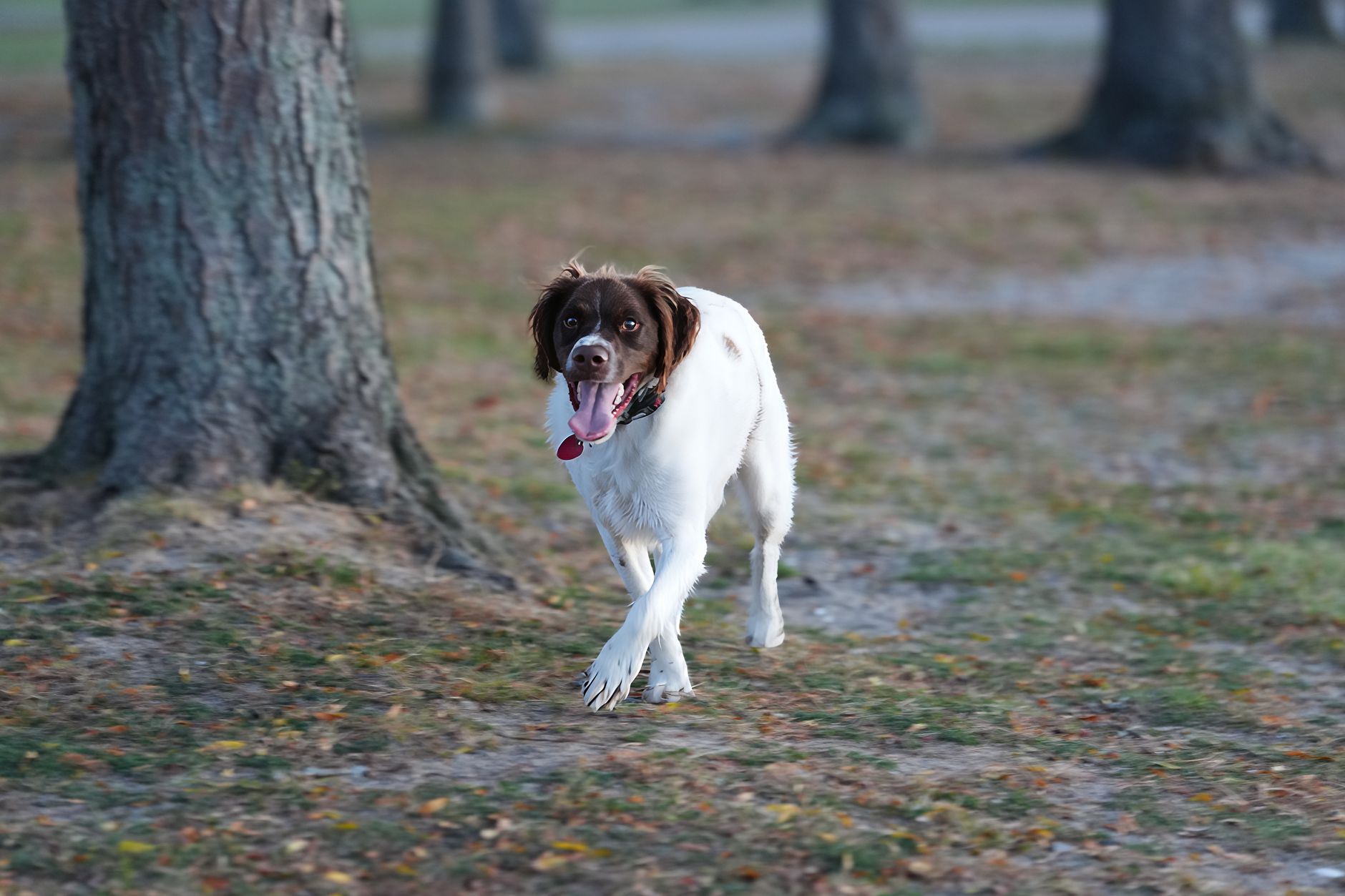
Brittany
English Springer Spaniel FAQs
What is the difference between a bench and field Springer Spaniel?
Bench Springers are bred for conformation shows and have longer coats, heavier bones, and a calmer temperament, while field Springers are bred for hunting, possessing a shorter coat, lighter build, and intense drive.
Do English Springer Spaniels bark a lot?
They are not excessive barkers by nature, but they will bark to alert you of visitors or if they become bored, frustrated, or suffer from separation anxiety.
Are English Springer Spaniels good swimmers?
Yes, most Springers absolutely love the water and possess natural swimming instincts, aided by their water-resistant double coats and webbed feet.
How do I stop my Springer Spaniel from jumping on people?
Consistently reward them only when all four paws are on the ground, teach a reliable ‘sit’ or ‘off’ command, and ignore them completely when they jump up.
Are English Springer Spaniels prone to separation anxiety?
Yes, as highly social ‘velcro’ dogs, they can easily develop separation anxiety if left alone for extended periods without proper training and mental stimulation.
How often should I cut my Springer Spaniel’s hair?
I recommend a professional trim or clip every 6 to 8 weeks to keep their feathers tidy and prevent severe matting, especially around the ears and feet.
Do Springer Spaniels smell?
They do not naturally have a strong odor, but their love for mud, water, and rolling in smelly things, combined with heavy ears prone to infection, means they can develop odors if not groomed regularly.
Are they suited for apartment living?
Generally, they are not ideal for apartments unless the owner is exceptionally dedicated to providing several hours of outdoor exercise and mental stimulation daily.
At what age is an English Springer Spaniel fully grown?
They typically reach their full height by 12 months of age, but they will continue to fill out physically and mature mentally until they are around 2 years old.
Do English Springer Spaniels have a high prey drive?
Yes, as historic flushing dogs, they have a strong instinct to chase birds, squirrels, and other small animals, requiring a secure yard and a strong recall.
How much exercise does a Springer Spaniel puppy need?
Use the ‘5 minutes per month of age’ rule up to twice a day to protect their developing joints, combined with plenty of free play and gentle mental stimulation.
What brushes are best for a Springer Spaniel’s coat?
A high-quality slicker brush is essential for removing loose undercoat, while a sturdy metal greyhound comb is perfect for detangling the feathering on their legs and ears.
Can English Springer Spaniels tolerate cold weather?
Yes, their dense double coat provides excellent insulation against both cold temperatures and damp weather, though they should still not be left outside permanently.