
German Wirehaired Pointer Breed Guide
Quick Summary
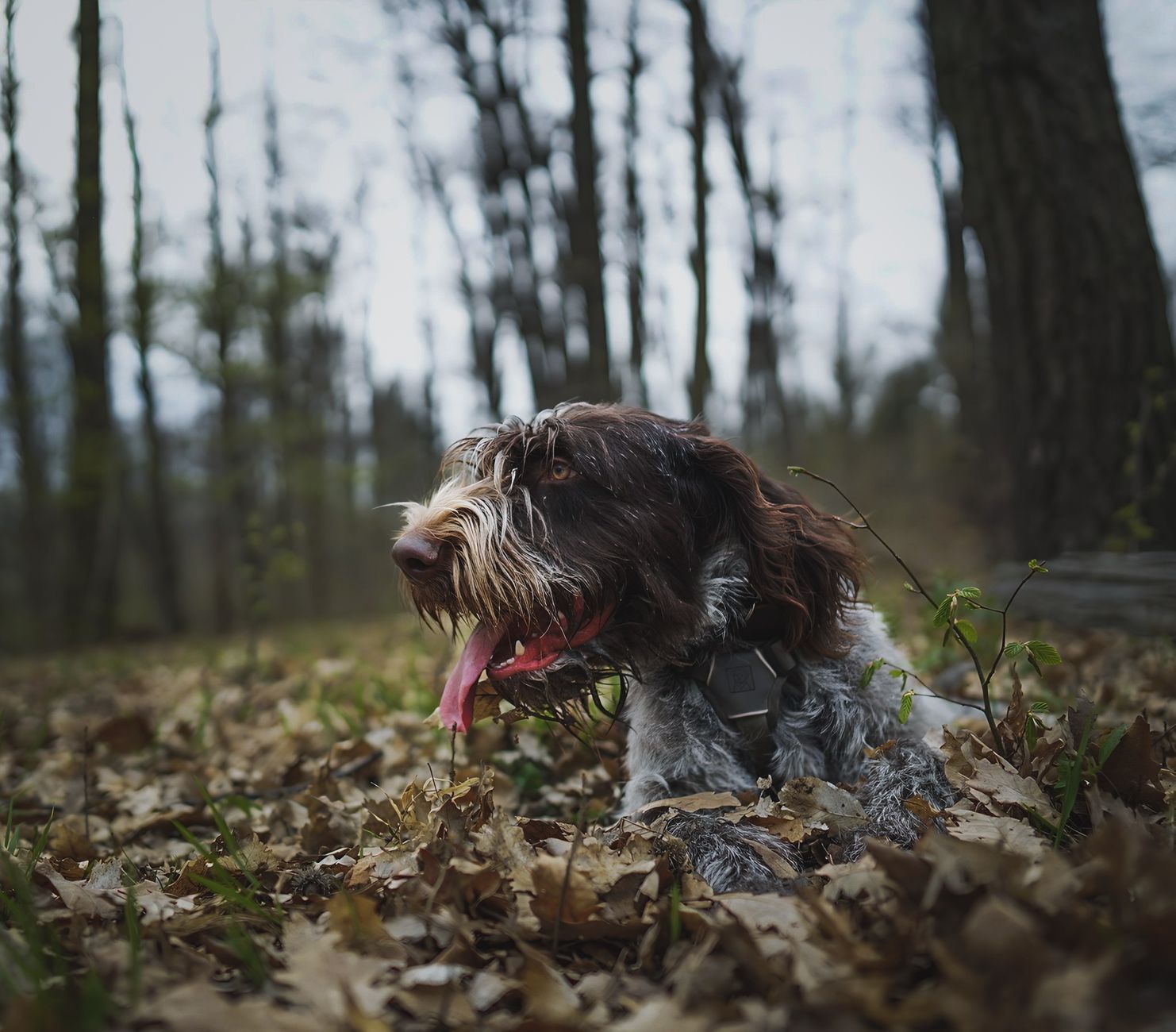
The German Wirehaired Pointer is a rugged, highly driven sporting dog built for tireless field work and active companionship. In my clinical practice, I find they thrive best with high-energy owners who can provide intensive mental stimulation and daily physical outlets. Without structured jobs or rigorous exercise, their sharp intelligence and strong prey drive can easily manifest as destructive behaviors.
Quick Facts
- origin countryGermany
- breed groupSporting
- sizeLarge
- weight range50 to 75 pounds
- height range22 to 26 inches
- lifespan12 to 14 years
- coat typeWiry, weather-resistant double coat
- common colorsLiver and white (roan, spotted, ticked), solid liver
- other namesDeutscher Drahthaar, Drahthaar
- recognized byAKC, UKC, FCI
Caring for a German Wirehaired Pointer
Living with a German Wirehaired Pointer is an active lifestyle choice, not just pet ownership. In my clinic, I often counsel owners that these dogs require at least 90 minutes of vigorous daily exercise to keep their minds and bodies healthy. Their weather-resistant wiry coat requires regular hand-stripping, and their high prey drive means leash safety is paramount. They form incredibly close bonds with their immediate families but can be aloof with strangers if not properly socialized from puppyhood.
Is a German Wirehaired Pointer a good family pet?
Yes, they can make outstanding family companions for active households that enjoy outdoor adventures. However, because of their high energy and boisterous nature, they may accidentally knock over toddlers, so supervision and structured training are vital. I always tell families that a tired Wirehair is a well-behaved family member.
Do German Wirehaired Pointers shed a lot?
They are moderate shedders, but their wire-textured coat behaves differently than a typical double coat. Regular brushing keeps dead hairs from scattering, though they will need occasional hand-stripping to maintain their classic texture and weatherproofing. Expect some shedding, especially during seasonal transitions in spring and fall.
Is a German Wirehaired Pointer good for first-time owners?
Generally, I do not recommend this breed for novice dog owners due to their strong-willed nature and immense physical demands. They require a confident handler who understands positive reinforcement training and can consistently manage high prey drive. First-time owners often struggle to meet their extensive exercise and mental stimulation needs.
Temperament & Personality
The German Wirehaired Pointer is characterized by its fierce loyalty, keen intelligence, and intense drive. In my years treating this breed, I’ve noted they possess a distinct ‘on-and-off switch’ when properly exercised—focused and tireless in the field, yet affectionate and relaxed on the couch. They are deeply devoted to their ‘pack’ and often display a protective instinct that sets them apart from other pointer breeds. However, their sharp minds mean they will easily outsmart an owner who does not provide clear, consistent boundaries.
Is a German Wirehaired Pointer good with other pets?
They can coexist peacefully with other household dogs if socialized early, but their strong, innate prey drive makes them highly unsuitable for homes with cats, rabbits, or pocket pets. In my clinical experience, even a well-trained Wirehair may struggle to resist chasing a fleeing small animal.
How much attention does a German Wirehaired Pointer need?
This breed thrives on human companionship and does not do well when isolated in a backyard or left alone for long periods. They are prone to developing separation anxiety if their emotional and physical needs are neglected. I advise owners to integrate them fully into daily family activities to prevent stress-induced behaviors.
Training & Behavior
Training a German Wirehaired Pointer requires patience, consistency, and a firm but gentle hand. They are highly intelligent and learn commands quickly, but they also possess an independent streak that can challenge unassertive owners. In my practice, I find that reward-based training coupled with early socialization yields the most stable, well-adjusted adult dogs.
Training Tips
- Use positive reinforcement with high-value treats and praise.
- Keep training sessions short, dynamic, and engaging to prevent boredom.
- Begin socialization within the first 16 weeks of life to manage aloofness.
- Establish consistent boundaries from day one to handle their independent nature.
Fun Activities
- Field hunting trials and tracking
- Agility and dock diving
- Canicross or bikejoring
- Scent work and nose work puzzles
Is a German Wirehaired Pointer easy to train?
They are highly intelligent and eager to please, which makes them very capable of learning complex tasks quickly. However, their independent streak and high energy mean they require a dedicated handler who understands canine behavior. They will quickly exploit inconsistent boundaries, so while they are highly trainable, they are not necessarily ‘easy’ for beginners.
German Wirehaired Pointer Health Issues
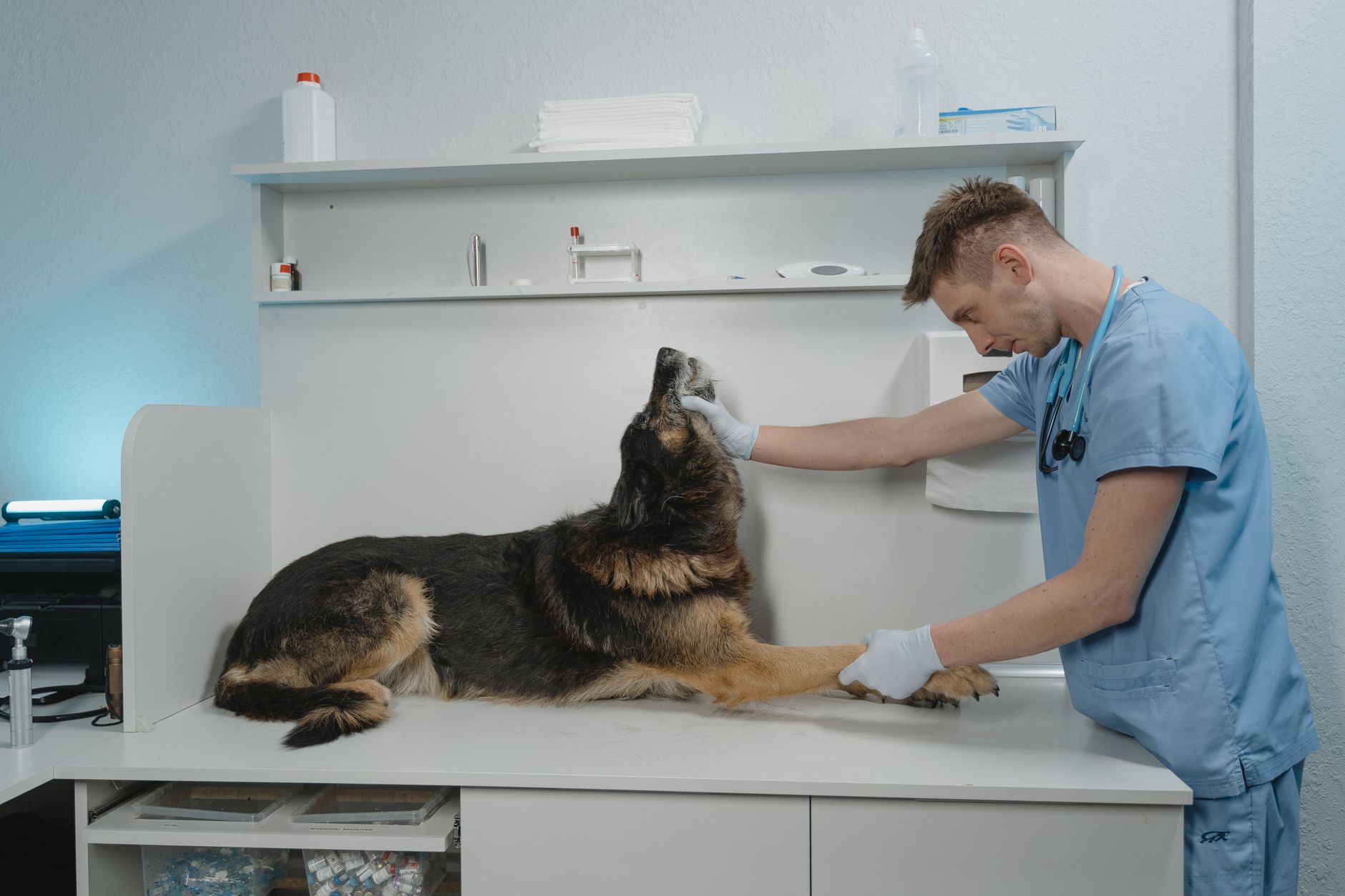
Overall, the German Wirehaired Pointer is a robust and hardy breed, built to withstand harsh outdoor conditions. However, like all deep-chested and large-breed dogs, they are genetically predisposed to several specific orthopaedic, endocrine, and hereditary health conditions.
Hip and Elbow Dysplasia
This is a hereditary malformation of the hip and elbow joints where the bones do not fit together smoothly, leading to progressive arthritis and pain. I highly recommend checking that any puppy’s parents have OFA or PennHIP clearances.
Gastric Dilatation-Volvulus (GDV or Bloat)
A life-threatening medical emergency where the stomach fills with gas and twists on its axis, cutting off blood supply. This is common in deep-chested breeds and requires immediate emergency surgical intervention.
Hypothyroidism
An endocrine disorder where the thyroid gland does not produce enough thyroid hormone, slowing down the dog’s metabolism. It is highly manageable with daily oral hormone replacement therapy.
Von Willebrand’s Disease (vWD Type II)
An inherited bleeding disorder caused by a deficiency in a clotting protein, leading to excessive bleeding after injuries or surgeries. A simple DNA test can screen for this condition before breeding or elective procedures.
Entropion and Ectropion
Eyelid abnormalities where the eyelid either rolls inward (entropion), causing eyelashes to rub against the cornea, or rolls outward (ectropion), exposing the sensitive eye tissues to irritation. These conditions often require corrective ophthalmic surgery.
How long do German Wirehaired Pointers typically live?
With proper nutrition, regular veterinary care, and adequate physical activity, they typically enjoy a lifespan of 12 to 14 years. As a vet, I emphasize that keeping them at a lean, healthy body condition score (BCS 4-5/9) is the single best way to prolong their active, pain-free years.
What to Feed a German Wirehaired Pointer
As a high-energy athletic breed, German Wirehaired Pointers require a nutrient-dense diet formulated to sustain their metabolic demands. I always advise owners to select a high-quality, large-breed formula that matches their specific life stage and activity level.
Best Diet
I recommend a high-protein, moderate-fat diet formulated for active large breeds, preferably containing glucosamine and chondroitin for joint support. For working or hunting dogs, a performance formula can help maintain muscle mass and energy levels during the season.
How to Feed
To reduce the risk of life-threatening bloat, divide their daily food into at least two separate meals. Avoid using raised bowls unless specifically directed by your vet, and strictly restrict vigorous exercise for one hour before and after feeding.
How Much to Feed
Adult GWPs generally require between 2.5 to 4 cups of high-quality dry kibble daily, depending on their weight, age, and activity level. Since calorie needs vary wildly between a couch-resting companion and an active field dog, you should consult your veterinarian to calculate their exact daily caloric requirements.
Nutritional Tips
Always monitor your dog’s body condition score; you should easily feel their ribs but not see them clearly. Consider supplementing with high-quality omega-3 fatty acids (like EPA and DHA) to support joint health and keep their distinctive wiry coat hydrated and itch-free.
German Wirehaired Pointer Grooming Guide
The German Wirehaired Pointer’s signature coat is functional and weather-resistant, designed to protect them from thick brush and cold water. Grooming is relatively low-maintenance, but it does require regular attention to maintain its unique texture and protective properties.
Coat Care
Brush the coat weekly with a slicker brush and a metal comb to prevent matting, especially in the longer furnishings of the beard and eyebrows. To maintain the harsh, wiry texture, the coat should be hand-stripped twice a year; shaving or clipping will soften the coat and ruin its water resistance.
Skin Care
Bathe only when necessary using a mild, soap-free veterinary shampoo, as frequent bathing strips the coat of its natural protective oils. Always dry their thick beard thoroughly after they drink or eat to prevent yeast infections on the skin around their muzzle.
Eye Care
Gently wipe away any discharge from the corners of their eyes weekly, and keep their bushy eyebrows trimmed just enough to prevent them from rubbing against the cornea or obstructing vision.
Ear Care
Check their floppy ears weekly for signs of redness, wax buildup, or a foul odor, which can indicate an infection, especially if they swim often. Clean them using a veterinarian-approved, drying ear cleanser after water activities.
Nail & Dental Care
Trim their nails every 3 to 4 weeks to prevent splaying and structural joint strain. Brush their teeth at least three times a week with canine-specific toothpaste to prevent periodontal disease, which I diagnose far too often in older sporting breeds.
Considerations for Pet Parents
Pros
- Incredibly loyal and deeply devoted companion
- Superb, versatile hunting and tracking capabilities
- Highly intelligent and highly trainable for active sports
- Weather-resistant coat that tolerates harsh climates
- Alert watchdog with a natural protective instinct
- Robust and generally healthy athletic constitution
Cons
- Extremely high energy requirements that demand daily intense exercise
- Strong prey drive that makes them unsafe around small pets
- Can be aloof or suspicious of strangers if under-socialized
- Prone to separation anxiety if left alone for long periods
- Grooming requires specialized hand-stripping to maintain the wire coat
Best For
An ideal owner is an active outdoor enthusiast, hunter, or experienced dog owner who can dedicate several hours daily to physical exercise and mental stimulation. They thrive in homes with a large, securely fenced yard where they can work, run, and play safely.
Not Recommended For
This breed is not recommended for apartment dwellers, sedentary individuals, or first-time dog owners who cannot commit to rigorous training and daily intense exercise. They are also not suited for households with small pocket pets or cats due to their intense prey drive.
Cost
- purchase price$1,200 to $2,500
- monthly cost$150 to $250
- initial setupExpect to spend $800 to $1,500 initially on essential gear like a heavy-duty crate, high-quality hunting or training harness, veterinary vaccines, microchipping, and spay/neuter surgery.
Similar Breeds


German Wirehaired Pointer FAQs
How do you groom a German Wirehaired Pointer’s beard?
Their beard acts like a sponge, collecting water, food, and debris, which can lead to bacterial or yeast infections (cheilitis). I recommend wiping their beard dry after meals with a clean towel and brushing it out weekly with a fine-toothed comb to remove food particles.
Do German Wirehaired Pointers bark a lot?
They are naturally alert and will bark to announce visitors or suspicious noises, making them excellent watchdogs. However, if they are under-exercised or left alone for too long, they can develop chronic, stress-induced nuisance barking. Managing their physical and mental energy is key to keeping them quiet.
Can German Wirehaired Pointers live in apartments?
Generally, I advise against apartment living for this breed. They are highly active working dogs that require space to stretch their legs, and without a large, securely fenced yard, meeting their intense daily exercise needs becomes incredibly difficult for most owners.
How much exercise does a German Wirehaired Pointer need daily?
They require at least 1 to 2 hours of vigorous, off-leash physical activity paired with mental stimulation every single day. Activities should go beyond simple leash walks; think running, hiking, swimming, fetching, or structured canine sports like agility or tracking.
Are German Wirehaired Pointers hypoallergenic?
No, they are not hypoallergenic. While their wiry coat traps dander and sheds less than some other breeds, they still produce allergens in their skin, saliva, and urine. Individuals with dog allergies should spend time around the breed before bringing one home.
What is the difference between a German Shorthaired and a German Wirehaired Pointer?
While they share similar hunting ancestry and high energy levels, the Wirehair has a distinct wiry double coat, beard, and eyebrows designed to protect them from harsh brambles and cold water. Wirehairs also tend to be slightly more strong-willed, protective, and single-minded than their Shorthaired cousins.
Why does my German Wirehaired Pointer have a coarse coat?
Their coarse, wiry coat is a genetic adaptation designed to act as a protective suit of armor against thorny brush, harsh weather, and frigid water. Shaving this coat destroys its structure, causing it to grow back soft, curly, and lose its dirt- and water-repellent qualities.
Are German Wirehaired Pointers prone to separation anxiety?
Yes, they form incredibly tight bonds with their families and can easily develop separation anxiety if left alone for extended periods. In my clinic, I often help owners manage this through crate training, mental enrichment toys, and ensuring the dog is physically tired before being left.
Do they like to swim?
Most German Wirehaired Pointers absolutely love water and are exceptional swimmers, as they were bred to retrieve waterfowl. If you let them swim, always dry their ears thoroughly afterward with a veterinarian-approved drying cleanser to prevent painful ear canal infections.
Are German Wirehaired Pointers aggressive?
They are not naturally aggressive, but they are naturally protective and can be aloof or suspicious of strangers. Without thorough, early socialization to a wide variety of people, environments, and other animals during puppyhood, this aloofness can transform into defensive fear-aggression.
At what age is a German Wirehaired Pointer fully grown?
They generally reach their full physical adult height by 12 months of age, but they will continue to fill out, gain muscle mass, and mature mentally until they are about 2 years old. I recommend waiting until they are at least 18 to 24 months old (when growth plates close) before starting high-impact activities like road running.
How can I prevent bloat (GDV) in my German Wirehaired Pointer?
To minimize the risk, feed your dog at least two smaller meals a day instead of one large one, avoid exercise for an hour before and after meals, and prevent them from gulping water rapidly. For high-risk individuals, you might discuss a preventative surgical procedure called a prophylactic gastropexy during their spay or neuter.