
Cairn Terrier Breed Guide
Quick Summary
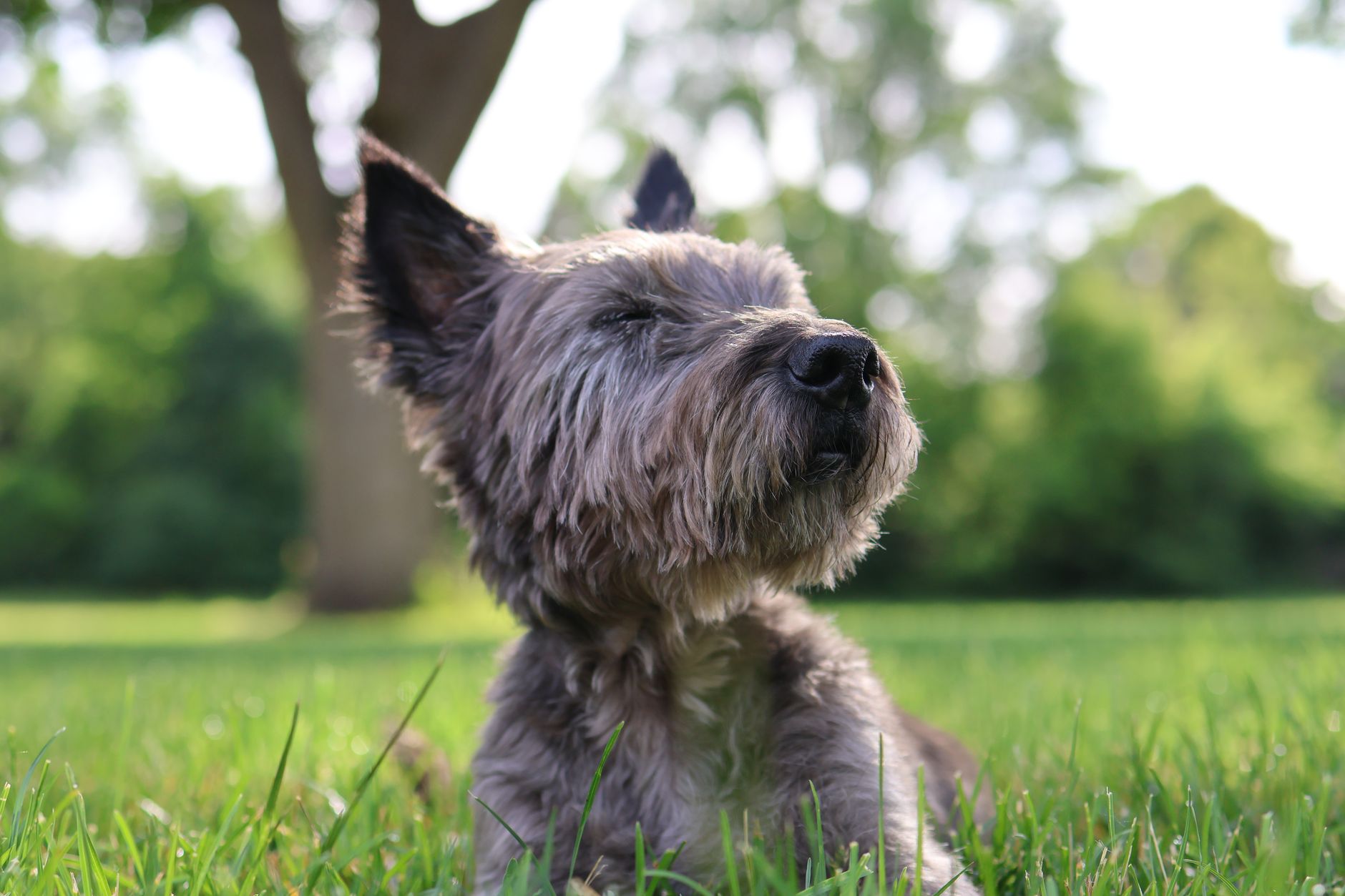
The Cairn Terrier is a robust, fiercely loyal, and spirited companion that packs a massive personality into a compact, weather-resistant frame. In my clinical experience, these dogs thrive with active owners who can channel their high intelligence and natural terrier drive into structured play and training. They are remarkably healthy and long-lived, making them an outstanding choice for families looking for an adaptable, affectionate protector with plenty of spunk.
Quick Facts
- origin countryScotland
- breed groupTerrier Group (AKC)
- sizeSmall
- weight range13 to 14 lbs (males), 12 to 13 lbs (females)
- height range10 inches (males), 9.5 inches (females)
- lifespan12 to 15 years
- coat typeDouble coat: harsh, weather-resistant wire outer coat with a short, soft undercoat
- common colorsWheaten, black, grey, red, brindle of any of these colors
- other namesShort-haired Skye Terrier (historical)
- recognized byAKC, UKC, KC, FCI
Caring for a Cairn Terrier
Living with a Cairn Terrier means embracing a daily routine filled with curiosity, energy, and a fair bit of digging if they aren’t properly stimulated. In my practice, I find that Cairns do best when they get at least 45 to 60 minutes of structured physical activity combined with mental challenges every day. Because of their strong prey drive, leash walks and secure, fenced-in yards are non-negotiable to keep them from darting after squirrels or rabbits. Indoors, they are highly affectionate shadow-dogs, though they will absolutely let you know when someone is at the front door.
Is a Cairn Terrier a good family pet?
Absolutely, as they are incredibly sturdy and patient compared to other toy or small breeds. In my clinical experience, they bond deeply with children who respect their boundaries, though I always advise supervising play with very young toddlers.
Do Cairn Terriers shed a lot?
No, they are relatively low-shedding dogs, but their double coat requires regular attention. To keep their coat functional and prevent matting, they need weekly brushing and hand-stripping or clipping every few months.
Is a Cairn Terrier good for first-time owners?
While incredibly affectionate, their independent terrier streak can be a challenge for novice owners. I generally recommend them for owners who are willing to commit to firm, positive-reinforcement training from day one to manage their prey drive and barking.
Temperament & Personality
The Cairn Terrier is the quintessential ‘big dog in a small body,’ bursting with confidence, intelligence, and a cheerful outlook on life. In my years treating this breed, I’ve noted they possess a distinct sensitivity beneath their tough exterior; they want to please but will easily get bored by repetitive tasks. They are highly alert and protective of their homes, often acting as excellent, if enthusiastic, watchdogs. While they love a good cuddle on the couch, they are rarely clingy and maintain a delightful sense of self-reliance.
Is a Cairn Terrier good with other pets?
They can co-exist beautifully with other household dogs if socialized early, though they may try to assert dominance. However, due to their profound genetic prey drive, I strongly advise against housing them with small pocket pets like hamsters, guinea pigs, or birds.
How much attention does a Cairn Terrier need?
They love being involved in family activities but do not suffer from severe separation anxiety as easily as some companion breeds. They need daily physical interaction and play, but they are also quite content to nap near your feet while you work.
Training & Behavior
Training a Cairn Terrier requires a sense of humor and absolute consistency, as they will quickly exploit any loopholes in your house rules. What I see most often in practice is that traditional, repetitive obedience training fails because these dogs shut down or become stubborn when bored. Using high-value treats and game-based training keeps their sharp minds engaged. Early socialization is critical to prevent their natural alertness from escalating into nuisance barking or reactivity toward other dogs.
Training Tips
- Use positive reinforcement with high-value treats to bypass their independent streak.
- Keep training sessions short (5-10 minutes) and highly varied to prevent boredom.
- Incorporate ‘impulse control’ exercises like ‘stay’ and ‘leave it’ early on.
- Always use a harness instead of a collar on walks to protect their trachea when they pull.
- Expose them to diverse sounds, people, and dogs during the critical socialization window (weeks 8-16).
Fun Activities
- Earthdog trials (testing their natural underground hunting instincts)
- Agility courses to channel their energy and intelligence
- Scent work and nose games inside the house
- Interactive puzzle toys filled with healthy treats
- Frisbee and retrieving games in a securely fenced yard
Is a Cairn Terrier easy to train?
They are highly intelligent and learn commands quickly, but they are not ‘submissive’ dogs. They will constantly test your boundaries, meaning they require consistent, life-long reinforcement rather than a simple ‘one-and-done’ puppy class.
Cairn Terrier Health Issues

Overall, the Cairn Terrier is a remarkably hardy, robust breed with fewer hereditary health issues than many other purebred dogs. However, as with any breed, they are prone to specific genetic conditions that owners must proactively screen for with their veterinarian.
Ocular Melanosis (OM)
An inherited, bilateral eye condition specific to Cairns where abnormal pigment cells deposit in the eye, potentially leading to pigmentary glaucoma and vision loss.
Craniomandibular Osteopathy (CMO)
Also known as ‘Westie Jaw,’ this is a non-neoplastic, painful bone disease affecting the jawbones of growing puppies, typically appearing between 4 and 8 months of age.
Portosystemic Shunt (PSS)
An abnormal blood vessel that bypasses the liver, preventing toxins from being filtered out of the blood and leading to systemic toxicity.
Patellar Luxation
A condition where the kneecap slips out of its anatomical groove, common in small dogs and leading to arthritis or ligament tears over time.
Globoid Cell Leukodystrophy (GCL)
Also known as Krabbe disease, this is a severe, progressive, inherited neurological disorder affecting myelin in the brain and spinal cord, for which DNA screening is crucial.
How long do Cairn Terriers typically live?
With proper nutrition, preventive veterinary care, and regular exercise, Cairn Terriers regularly live between 12 and 15 years, with some resilient individuals pushing past 16 years.
What to Feed a Cairn Terrier
In my clinic, I frequently have to warn Cairn owners about weight management, as these little dogs have hearty appetites and can become overweight easily. A small gain of even one pound can significantly impact their joints and overall metabolic health.
Best Diet
I recommend a high-quality, life-stage-appropriate commercial kibble formulated for small breeds to support their unique metabolic needs. Look for diets that list real meat as the first ingredient and avoid formulations with excessive fillers.
How to Feed
Divide their daily caloric intake into two equal meals, feeding them at consistent times morning and night. I strongly advise against free-feeding, as Cairns will eat continuously if given the opportunity.
How Much to Feed
Generally, an adult Cairn Terrier requires about 1/2 to 2/3 cup of high-quality dry food per day, but this varies wildly depending on activity level and metabolism. I always tell owners to work with their veterinarian to calculate exact caloric needs based on a Body Condition Score.
Nutritional Tips
Incorporate fresh, low-calorie treats like green beans or cucumber slices for training instead of calorie-dense commercial treats. Supplementing with omega-3 fatty acids can also work wonders to maintain their signature wiry coat and support skin barrier health.
Cairn Terrier Grooming Guide
Cairn Terriers have a classic double coat designed to protect them from harsh Scottish weather. Their grooming routine is relatively low-maintenance compared to Poodles, but it does require consistent care to preserve the correct, weather-resistant texture.
Coat Care
Brush their coat 1-2 times a week with a pin brush and slicker to prevent matting. To maintain the harsh, wiry texture, the coat should be hand-stripped twice a year; clipping with electric shears will soften the coat and fade its color.
Skin Care
Cairns are prone to atopic allergies, so I advise using hypoallergenic, soap-free oatmeal shampoos only when necessary to avoid stripping the natural protective oils from their skin.
Eye Care
Regularly check their eyes for signs of discharge or pigment spots, especially given their genetic predisposition to ocular melanosis.
Ear Care
Keep their erect ears clean and dry, checking weekly for wax buildup or redness, and pluck excessive inner-ear hair if advised by your vet to prevent otitis.
Nail & Dental Care
Trim their fast-growing nails every 3-4 weeks to prevent splaying, and brush their teeth daily with dog-safe enzymatic toothpaste to combat the rapid periodontal disease typical of small breeds.
Considerations for Pet Parents
Pros
- Highly adaptable to apartment living or sprawling farms.
- Remarkably sturdy and robust health profile for a small dog.
- Excellent watchdogs with a highly alert nature.
- Very affectionate and loyal family companions.
- Minimal shedding when properly groomed.
- Playful, comical personality that keeps owners entertained.
Cons
- Strong instinct to dig and chase small animals.
- Can be highly vocal with a loud, piercing alarm bark.
- Independent and sometimes stubborn streak during training.
- Require hand-stripping to maintain proper coat texture.
Best For
Active individuals, couples, or families with older children who enjoy outdoor activities and are looking for a spirited companion with a big personality. They are perfect for owners who want a hardy dog capable of hiking and agility but in a compact, manageable package.
Not Recommended For
Homes with small, free-roaming pocket pets or owners who expect complete, unyielding obedience. They are also not ideal for owners who want a completely quiet dog or those unwilling to commit to regular coat maintenance.
Cost
- purchase price$1,200 to $2,500 USD from a reputable breeder
- monthly cost$80 to $150 USD (food, routine veterinary prevention, basic grooming tools)
- initial setupThe initial setup—including high-quality veterinary checkups, vaccines, a secure crate, high-value training treats, and grooming tools—usually ranges from $800 to $1,500.
Similar Breeds
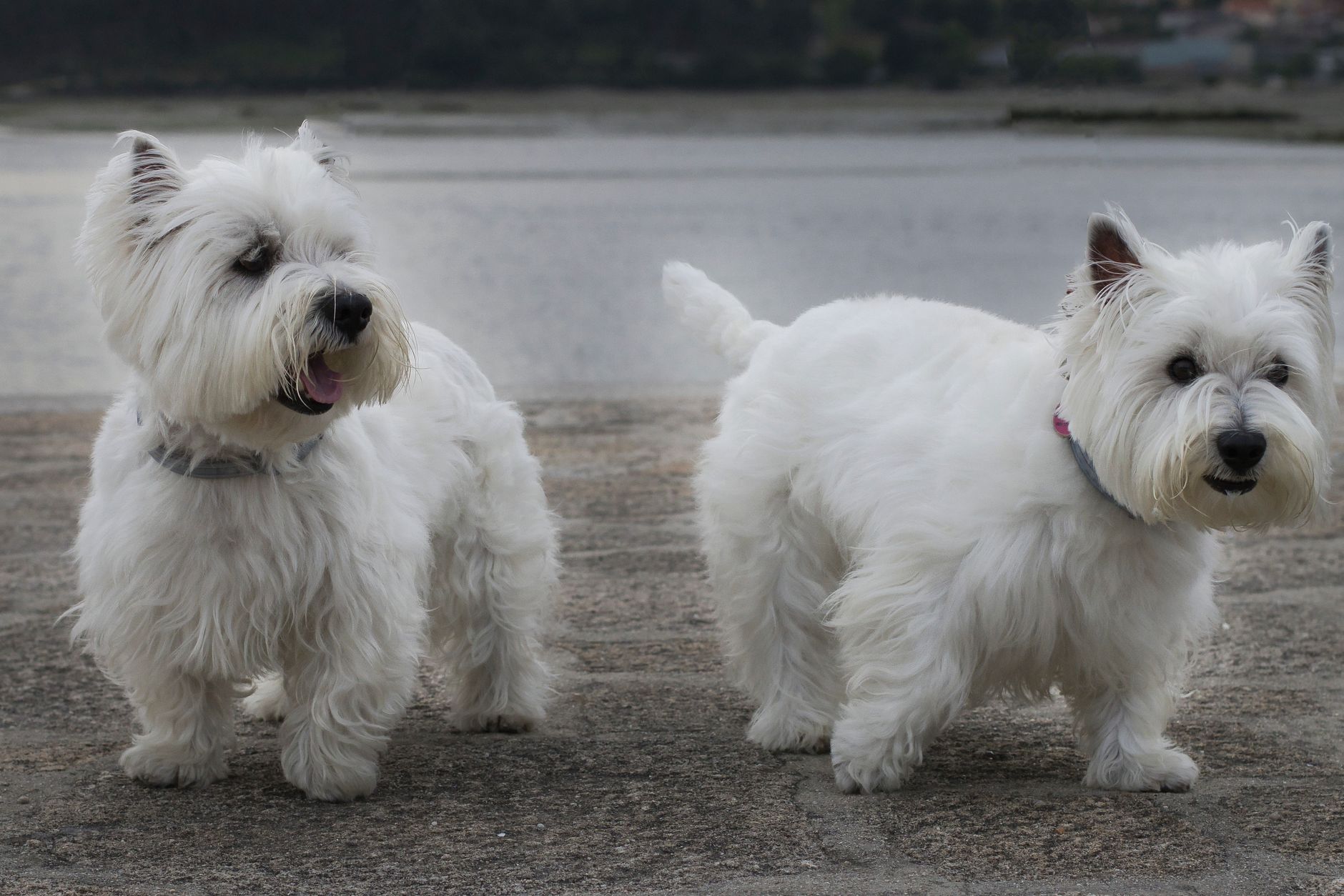
West Highland White Terrier

Border Terrier
Cairn Terrier FAQs
What is the difference between a Cairn Terrier and a West Highland White Terrier?
While they share common Scottish ancestry, the most obvious difference is coat color; Westies are exclusively white, whereas Cairns come in many colors and have a wider, shorter face. Temperament-wise, Cairns tend to be slightly more adaptable and slightly less intensely territorial than Westies, though both share that classic terrier drive.
Why does my Cairn Terrier dig so much, and how do I stop it?
Digging is an deeply ingrained, instinctual behavior for Cairns, bred to hunt rodents underground in rock piles (cairns). In my clinical practice, trying to eliminate digging completely usually leads to frustration; instead, I recommend providing a designated ‘digging pit’ in the yard filled with loose sand and burying toys there for them to find.
Are Cairn Terriers hypoallergenic?
While no dog is 100% hypoallergenic, Cairns are considered a low-allergen breed because they shed very little and produce less dander than many other dogs. However, their wire coat must be regularly brushed and stripped to keep dead hair and allergens contained.
Can Cairn Terriers be left alone during the work day?
Yes, Cairns are quite independent and generally handle a standard work day well if they’ve received physical and mental exercise beforehand. I recommend crate training or using a secure dog-proof room, along with leaving interactive food-dispensing toys to prevent boredom-induced barking.
How often should I bathe my Cairn Terrier?
I recommend bathing your Cairn Terrier only when they are visibly dirty or smelly, typically every 6 to 8 weeks. Over-bathing strips the protective oils from their wiry coat, turning it soft and making their sensitive skin more susceptible to environmental allergens.
What is the ‘Toto’ dog breed?
The most famous Cairn Terrier in history is undoubtedly Terry, the female Cairn Terrier who played Toto in the 1939 classic film *The Wizard of Oz*. Her spunky, brave, and loyal performance perfectly captured the authentic character traits of the breed.
Do Cairn Terriers bark a lot?
As natural watchdogs, Cairns are quick to sound the alarm at any new sight or sound. While you won’t completely stop them from barking, you can easily manage it through consistent training by teaching a reliable ‘quiet’ command from puppyhood.
How do I care for a Cairn Terrier’s wire coat?
To preserve the protective, weather-resistant wire coat, you must ‘hand-strip’ the dead hair by pulling it out from the root every 4 to 6 months. If you choose to clip the coat with clippers instead, the hair will eventually become soft, curly, and lighter in color, losing its natural dirt-repellent qualities.
Are Cairn Terriers prone to skin allergies?
Yes, in my clinical experience, Cairn Terriers are relatively prone to atopic dermatitis (environmental allergies) and flea-bite hypersensitivity. Keeping them on strict year-round flea prevention and rinsing their paws after walks can significantly reduce flare-ups.
Can Cairn Terriers live in apartments?
Cairns can adapt beautifully to apartment living, provided their physical and mental stimulation needs are met daily. Because of their potential for watchdog barking, owners must proactively train them to manage vocalization to avoid disturbing neighbors.
Are Cairn Terriers good with cats?
They can live harmoniously with a family cat if they are raised together from a very young age and socialized carefully. However, I always warn owners that the terrier prey drive is strong, and a running cat outdoors will almost always trigger a chase response.
What are the early signs of Ocular Melanosis in Cairns?
Ocular Melanosis is a serious, breed-specific eye condition where dark pigment spots develop in the sclera (white of the eye). It is critical to have a veterinary ophthalmologist examine your Cairn’s eyes annually starting at age 4, as early detection can help manage secondary glaucoma and save their vision.
Do Cairn Terriers need a lot of exercise?
While they are small, Cairns possess a surprising amount of stamina and need about 45 to 60 minutes of active exercise daily. A combination of brisk leash walks, off-leash play in a secure area, and brain games will keep them calm and content indoors.
Sources & Further Reading
- American Kennel Club (AKC)
- Merck Veterinary Manual
- American Veterinary Medical Association (AVMA)
- PetMD