
Basenji Breed Guide
Quick Summary
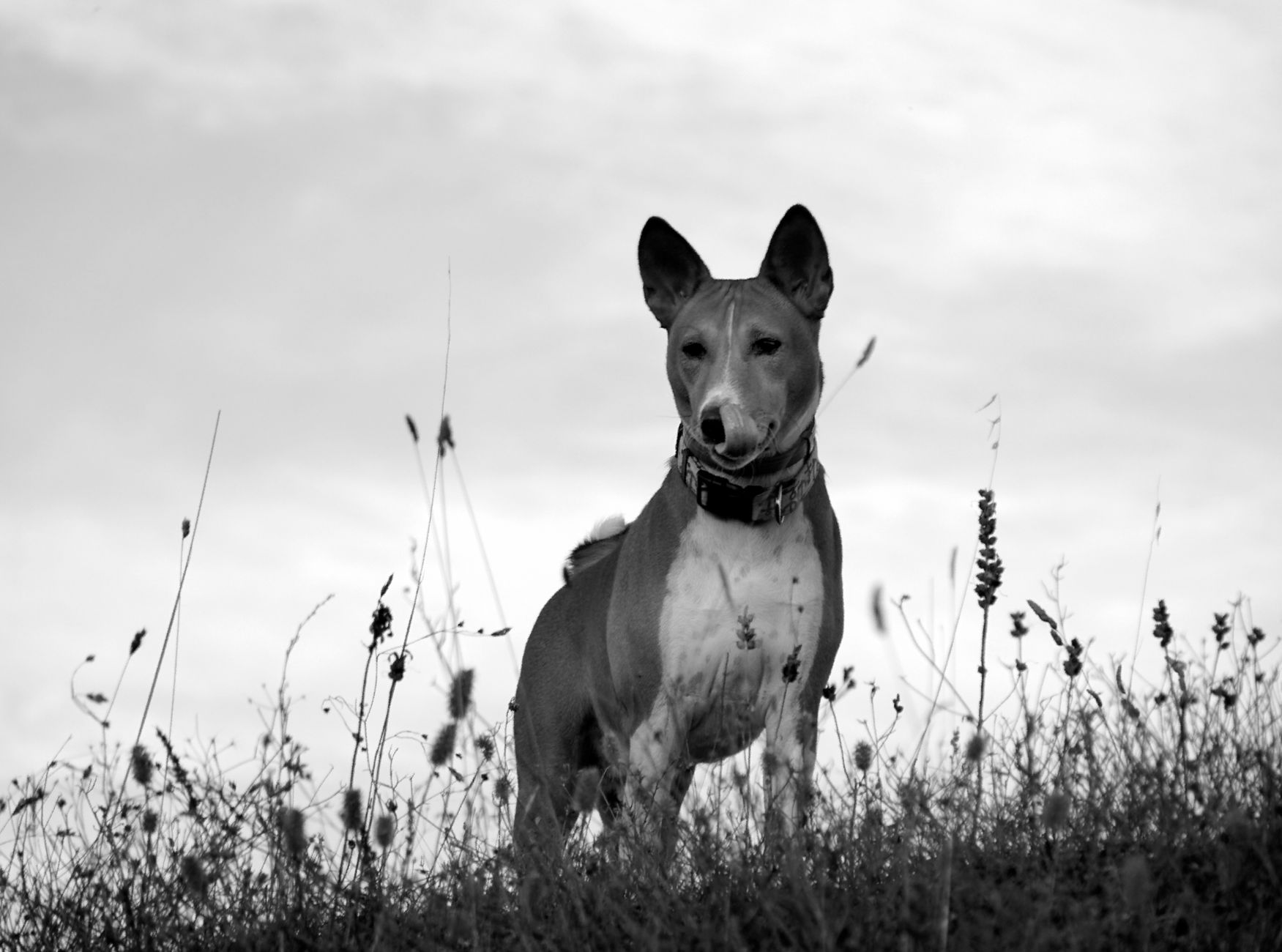
The Basenji is an ancient, highly intelligent, and famously barkless breed from Africa, best suited for experienced owners who appreciate a cat-like, independent canine companion. In my clinical practice, I find they thrive in active households that can provide rigorous mental stimulation and secure containment to match their formidable hunting instincts and escape artist tendencies. While they require minimal grooming, their unique physiology and distinct genetic health risks demand a dedicated owner who values a truly independent partner.
Quick Facts
- origin countryDemocratic Republic of the Congo
- breed groupHound
- sizeMedium
- weight range21 – 24 lbs (9.5 – 11 kg)
- height range16 – 17 inches (41 – 43 cm) at the shoulder
- lifespan12 – 14 years
- coat typeShort, fine, and odorless
- common colorsChestnut red, pure black, tricolor (black, red, white), or brindle; all with distinct white feet, chest, and tail tip
- other namesCongo Terrier, African Barkless Dog, Zande Dog
- recognized byAKC, UKC, FCI, KC
Caring for a Basenji
Living with a Basenji is more like sharing your home with an elegant, highly athletic feline than a traditional domestic dog. Daily life involves high-energy management, as these dogs require at least 60 to 90 minutes of vigorous, leashed exercise or running in a securely fenced yard with minimum six-foot barriers. I cannot stress enough that they have zero road sense and an intense prey drive; they must never be walked off-leash in unsecured areas. Inside the home, they are fastidiously clean, often grooming themselves for hours, but they will quickly turn to destructive chewing if left understimulated.
Is a Basenji a good family pet?
A Basenji can be an excellent family pet for households with older, respectful children who understand how to respect a dog’s personal space. They are intensely loyal to their human pack but do not tolerate rough handling or tail-pulling well, meaning they are rarely a good fit for homes with toddlers. Early, structured socialization is critical to ensure they integrate peacefully into a busy family dynamic.
Do Basenjis shed a lot?
No, Basenjis are exceptionally low-shedding dogs with a single coat that lacks the typical ‘doggy odor.’ They are remarkably clean animals that groom themselves much like cats, making them highly appealing to owners who dislike heavy shedding or frequent professional grooming.
Is a Basenji good for first-time owners?
I strongly advise against a Basenji for first-time dog owners due to their high intelligence paired with extreme independence. They do not possess the innate desire to please humans that retrievers do, and their stubbornness, high prey drive, and propensity for escape can easily overwhelm an inexperienced handler.
Temperament & Personality
The Basenji temperament is a fascinating study in contrast: they are deeply affectionate and loyal to their immediate family, yet aloof, suspicious, and highly observant of strangers. They possess an intense curiosity and a sharp, calculating intelligence that requires constant outlet. Unlike most breeds, they do not bark; instead, they express themselves through a unique vocalization known as a ‘barroo’ or yodel, alongside high-pitched screams when frustrated or highly excited. Their independence is legendary, meaning they will assess your commands and decide if compliance is worth their while.
Is a Basenji good with other pets?
Basenjis generally do poorly with other small household pets, such as cats, rabbits, or rodents, due to their ancient, deeply ingrained hunting instincts. They can co-exist with other dogs, particularly other Basenjis, but they tend to be dominant and can be dog-reactive if not extensively socialized from puppyhood.
How much attention does a Basenji need?
While they do not demand constant physical affection, Basenjis need a high volume of mental attention and environmental engagement. If they are excluded from family activities or left isolated for long periods, they will develop severe separation anxiety and highly destructive behaviors.
Training & Behavior
Training a Basenji requires a paradigm shift from traditional obedience methods; you must treat them as partners rather than subjects. In my experience, they shut down immediately under force or harsh corrections, requiring creative, positive-reinforcement techniques that rely heavily on high-value rewards. They are incredibly clever at problem-solving, which unfortunately means they will quickly learn how to open cabinets, unlatch gates, and escape crates if they feel confined.
Training Tips
- Keep training sessions short, fast-paced, and highly varied to prevent boredom.
- Use high-value, novel treats like freeze-dried liver or cheese to maintain their focus.
- Never use physical corrections; focus on redirection and positive reinforcement.
- Begin crate training on day one to prevent home destruction during adolescent stages.
- Incorporate impulse-control games like ‘leave it’ into every single daily interaction.
Fun Activities
- Lure coursing (highly recommended to satisfy their natural hunting drive)
- Agility training (excellent for mental stimulation and body awareness)
- Nosework and tracking games
- Scent-work challenges in secure indoor environments
Is a Basenji easy to train?
No, they are notoriously difficult to train using standard methods because they lack an innate desire to please. While they can easily learn commands within minutes due to their high intelligence, getting them to reliably execute those commands, especially when distracted, requires immense patience and lifelong reinforcement.
Basenji Health Issues

As an ancient breed, the Basenji is generally robust and free of many modern canine degenerative diseases, but they are genetically predisposed to several severe, breed-specific conditions. In my practice, I always emphasize the absolute necessity of obtaining a pup from a breeder who performs DNA screening for Fanconi Syndrome and Progressive Retinal Atrophy (PRA).
Fanconi Syndrome
An inherited renal tubular disorder where the kidneys fail to reabsorb essential nutrients, spilling glucose, amino acids, and minerals into the urine. If left untreated, it leads to muscle wasting, severe dehydration, acidosis, and eventual renal failure.
Immunoproliferative Enteropathy (IPSID)
Also known as Basenji Enteropathy, this is a severe, hereditary inflammatory bowel disease where the dog cannot properly absorb nutrients, resulting in chronic protein loss.
Progressive Retinal Atrophy (PRA)
An inherited, progressive eye disease that causes the slow, bilateral degeneration of the photoreceptors in the retina, ultimately leading to total blindness.
Persistent Pupillary Membranes (PPM)
Congenital strands of fetal tissue in the eye that fail to dissolve during development, which can span across the pupil and cause varying degrees of visual impairment or corneal opacities.
Pyruvate Kinase (PK) Deficiency
An inherited enzymatic defect in red blood cells that leads to chronic, severe hemolytic anemia and progressive osteosclerosis (hardening of the bones).
How long do Basenjis typically live?
With proper nutrition, regular veterinary screenings, and careful management of their environmental safety, Basenjis typically live a long and active life of 12 to 14 years.
What to Feed a Basenji
Basenjis are highly efficient metabolizers and can gain weight incredibly easily if their caloric intake is not carefully regulated. Obesity in this breed puts unnecessary, dangerous strain on their compact joints and can exacerbate underlying renal or metabolic conditions.
Best Diet
An ideal diet is a high-quality, lean, animal-protein-focused dry food formulated for active, medium-sized breeds. Ensure the diet is moderate in fat and free of excessive fillers, which can trigger digestive sensitivities in this breed.
How to Feed
I recommend feeding adult Basenjis twice daily using strict, measured portions rather than free-feeding. Because of their high intelligence and food motivation, utilizing puzzle feeders or interactive dispensing toys is an excellent way to slow down their eating while providing crucial mental stimulation.
How Much to Feed
Generally, an active adult Basenji requires about 1 to 1.5 cups of high-quality dry kibble per day, divided into two meals. However, exact caloric needs vary widely based on individual activity levels and age; always consult your veterinarian to establish a precise feeding plan.
Nutritional Tips
Incorporate Omega-3 fatty acid supplements (such as wild-caught fish oil) to support their skin barrier and coat health. Given their genetic predisposition to kidney issues, always ensure they have constant access to fresh, filtered water, and monitor their drinking habits closely.
Basenji Grooming Guide
Grooming a Basenji is refreshingly simple, as they are one of the cleanest canine breeds in existence. They lack the typical undercoat of many northern breeds and actively groom themselves, meaning they rarely require professional grooming interventions.
Coat Care
Brush their short, fine coat once a week with a soft bristle brush or a rubber grooming mitt to remove dead hair. Baths are rarely needed, typically only when they get physically muddy or rolled in something unpleasant, as their coat naturally repels dirt and odors.
Skin Care
Because they have a thin, single coat and very little body fat, their skin is highly sensitive to extreme sun exposure and bitter cold. I advise applying dog-safe sunscreen to their pink skin areas during peak summer, and utilizing a well-fitting dog coat or sweater during winter walks.
Eye Care
Check their eyes weekly for any unusual discharge, cloudiness, or redness, which could indicate early signs of PPM or PRA; any changes should be evaluated immediately by a veterinary ophthalmologist.
Ear Care
Inspect their upright, open ears weekly for debris, redness, or a yeasty odor, gently cleaning them with a vet-approved, pH-balanced ear cleaner and a cotton ball if needed.
Nail & Dental Care
Trim their strong, fast-growing nails every 2 to 3 weeks using a grinder or clippers to prevent splaying and joint pain. Brush their teeth at least three times a week with veterinary-formulated enzymatic toothpaste to prevent periodontal disease.
Considerations for Pet Parents
Pros
- Remarkably clean and virtually odorless
- Extremely quiet inside the home with no nuisance barking
- Highly loyal and forms deep, unbreakable bonds with family
- Very low-maintenance grooming routine
- Athletic, energetic, and highly entertaining companion
- Highly intelligent and excellent at puzzle-solving tasks
Cons
- Extremely high prey drive; absolutely unsafe off-leash in open areas
- Highly independent and notoriously difficult to train traditionally
- Superb escape artists capable of climbing fences and opening doors
- Prone to severe separation anxiety and destructive chewing when bored
- Can be highly aloof or suspicious of strangers and other animals
Best For
Active, highly experienced dog owners, hikers, or runners who understand primitive breed behaviors, have a highly secure yard, and want an independent, feline-like canine companion.
Not Recommended For
First-time dog owners, households with small pets (like cats or rabbits), families with very young children, or individuals who must leave their dog home alone for long, unstructured hours.
Cost
- purchase price$1,800 – $3,500 USD from a reputable, health-testing breeder
- monthly cost$100 – $200 USD (including high-quality food, monthly preventatives, toys, and routine care)
- initial setupExpect to spend an initial $800 – $1,500 USD on essential escape-proof gear, high-quality crates, secure fencing modifications, and initial veterinary vaccinations/spay/neuter.
Similar Breeds
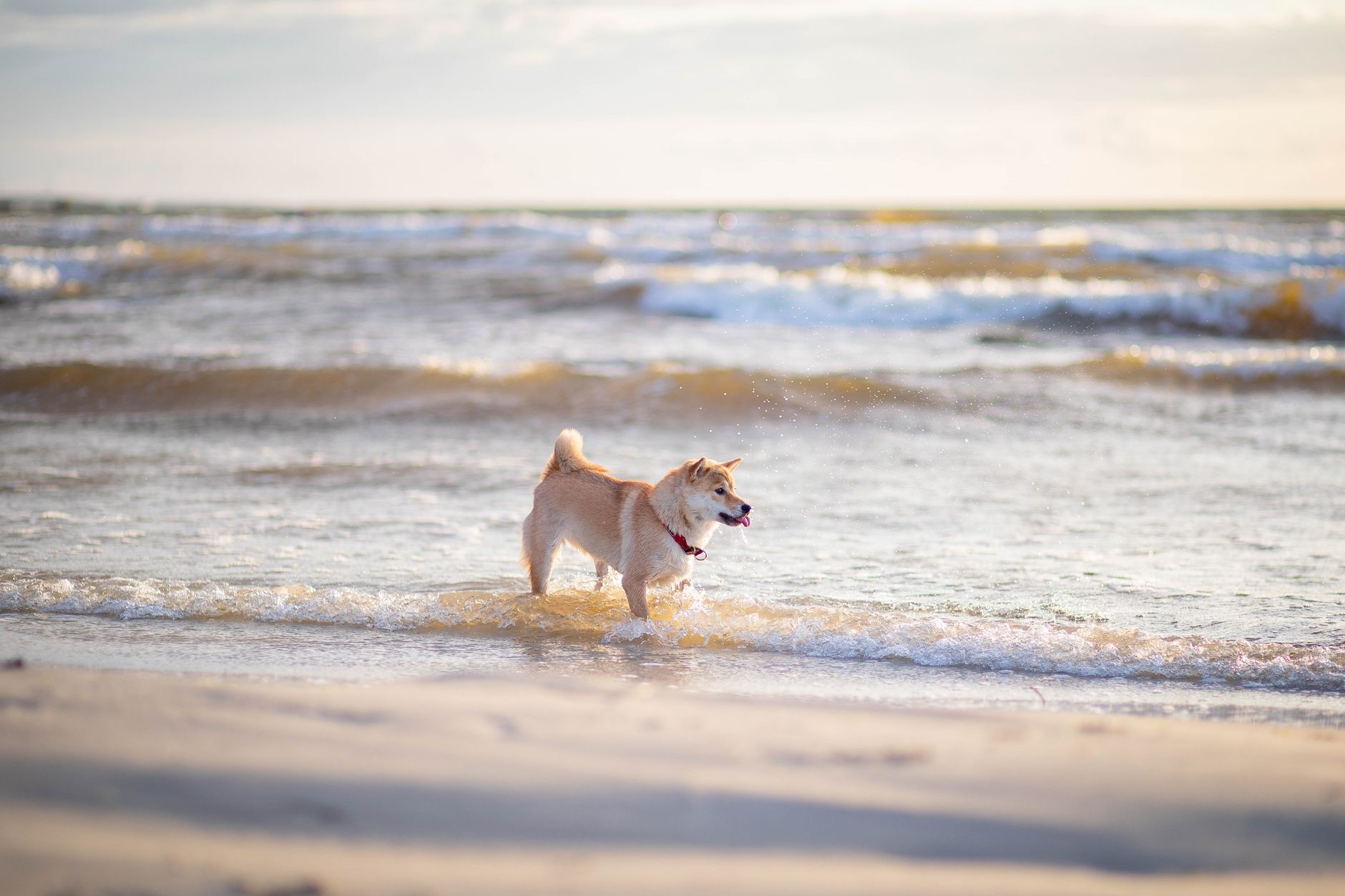
Shiba Inu
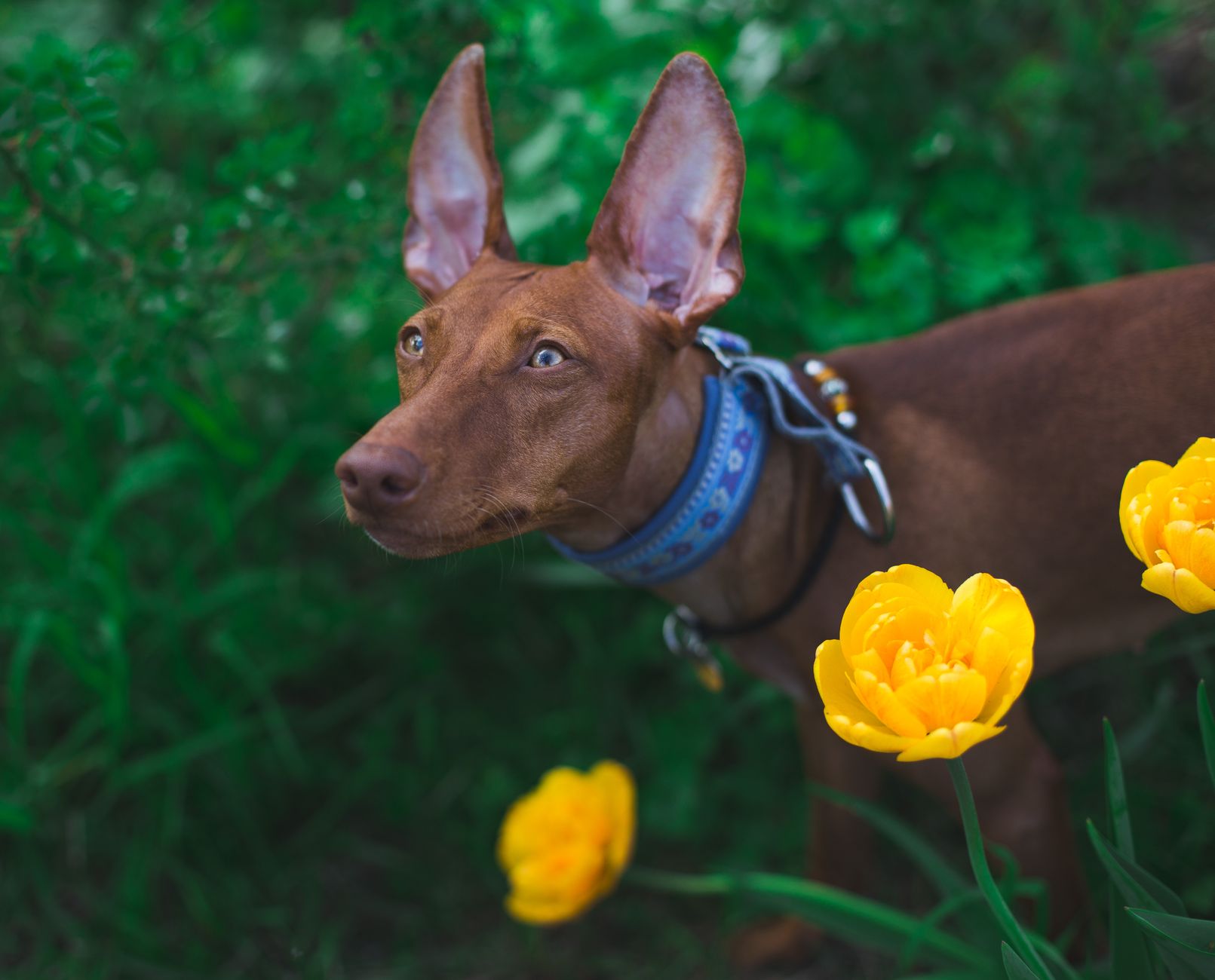
Pharaoh Hound
Basenji FAQs
Why don’t Basenjis bark?
Basenjis do not bark because of the unique shape of their larynx. Their vocal tract is shallower than that of normal dogs, and their vocal cords are flatter and wider, which structurally prevents them from producing a traditional barking sound.
What is a Basenji yodel or ‘barroo’?
Instead of barking, Basenjis produce a melodious, warbling sound commonly referred to as a ‘barroo’ or yodel. This sound is a mixture of a growl and a howl, and they use it to express excitement, happiness, or sometimes impatience.
Are Basenjis truly hypoallergenic?
No dog is truly 100% hypoallergenic, but Basenjis are often tolerated well by allergy sufferers. They have a single coat, produce very little dander, shed minimally, and do not drool, which significantly reduces the spread of common allergens.
Can a Basenji be trusted off-leash?
Almost never. Because of their ancient heritage as sight and scent hunters in Africa, their instinct to chase moving objects is overwhelming. They have zero street sense and will ignore commands instantly if they spot a squirrel, rabbit, or bird.
Do Basenjis hate the rain?
Yes, Basenjis are notoriously averse to water and wet weather. Many will stubbornly refuse to go outside to eliminate in the rain, and they will go to great lengths to walk around puddles rather than through them.
How high can a Basenji jump?
Despite their compact size, a Basenji can easily clear a four-foot fence from a standing position. They are incredibly agile climbers, meaning a six-foot, smooth-paneled fence is the minimum standard required to keep them safely contained.
Why do Basenjis groom themselves like cats?
This is a primitive behavioral trait. Basenjis are fastidiously clean and will spend hours licking their paws, legs, and bodies to clean themselves, which is why they rarely have the typical ‘doggy’ odor associated with other breeds.
How often do female Basenjis go into heat?
Unlike most domestic dog breeds that go into heat twice a year, female Basenjis typically only experience one estrus cycle per year, usually occurring in the autumn months. This is another primitive trait they share with wild canids like dingoes and wolves.
What is the genetic test for Fanconi Syndrome?
There is a highly reliable direct DNA test available through the Orthopedic Foundation for Animals (OFA). This test can identify if a Basenji is clear, a carrier, or affected by Fanconi Syndrome, which has allowed ethical breeders to significantly reduce the disease’s prevalence.
Are Basenjis destructive?
They can be intensely destructive if they are bored, under-exercised, or suffering from separation anxiety. Their sharp teeth and problem-solving minds can destroy drywall, furniture, and baseboards in a surprisingly short amount of time.
Do Basenjis get along with cats?
Generally, no. Even if raised with a cat from puppyhood, their strong instinctual prey drive can be triggered instantly if the cat runs, which can lead to dangerous or fatal predatory behavior. They are safest in cat-free homes.
Can Basenjis adapt to apartment living?
Yes, they can adapt perfectly to apartments because they are quiet and do not bark. However, this is only successful if their owners are fully committed to providing several long, active leashed walks and daily mental stimulation every single day.
Why does my Basenji lean against me?
The ‘Basenji lean’ is a classic breed behavior. Because they do not express affection in the typical, overly enthusiastic ways of other dogs, they prefer to show their deep bond and trust by leaning their body quietly against their chosen human’s legs.
Sources & Further Reading
- American Kennel Club (AKC)
- Merck Veterinary Manual
- American Veterinary Medical Association (AVMA)
- PetMD