
Selkirk Rex Breed Guide
Quick Summary
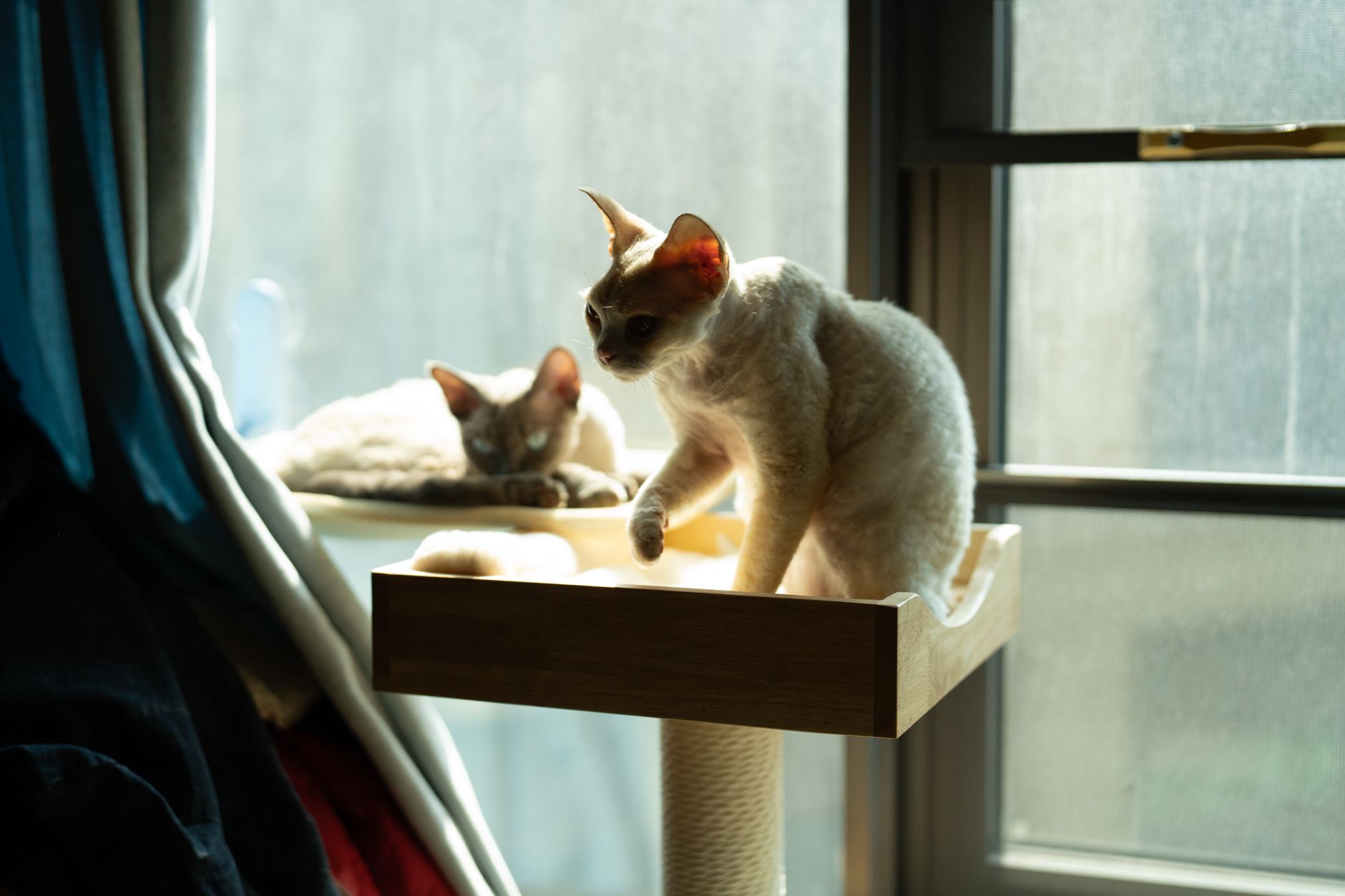
Known affectionately as the ‘cat in sheep’s clothing,’ the Selkirk Rex is a robust, curly-coated powerhouse with an incredibly mellow and affectionate disposition. Blessed with the patient nature of the British Shorthair and the sweet cuddle-bug tendencies of the Persian, this breed makes an outstanding companion for busy families and multi-pet households who appreciate a low-maintenance personality paired with a wonderfully unique look.
Quick Facts
- origin countryUnited States
- breed groupRex
- sizeMedium to Large, stocky and heavy-boned
- weight range8 to 16 lbs (3.6 to 7.3 kg)
- height range9 to 11 inches (23 to 28 cm)
- lifespan10 to 15 years
- coat typeCurly (available in both Shorthair and Longhair varieties)
- common colorsAll colors and patterns, including pointed, sepia, mink, bi-color, and solid
- other namesThe Sheep Cat, Cat in Sheep’s Clothing
- recognized byCFA, TICA, ACFA, FIFe, GCCF
Caring for a Selkirk Rex
Living with a Selkirk Rex is a joyful, low-stress experience; I’ve always found them to be exceptionally patient and highly adaptable to the rhythm of a busy household. Unlike their high-strung Cornish or Devon Rex cousins, Selkirks have a much calmer, laid-back energy level derived from their British Shorthair ancestry. They enjoy being part of the action, happily shadowing you from room to room, but they are equally content to curl up in a warm lap for hours. You will need to manage their unique grooming needs to keep those curls looking plush rather than greasy, but their easygoing temperament makes daily care a breeze.
Is a Selkirk Rex a good family pet?
Absolutely, they are phenomenal family pets. In my years of working with them, I’ve observed that their sturdy bones and highly tolerant, patient nature make them exceptionally safe and loving companions for children.
Do Selkirk Rexs shed a lot?
Yes, they do shed, and because of their curly coat structure, loose hairs can get trapped within the curls. Regular, gentle combing is required to prevent matting, and you will notice seasonal shedding cycles where they lose more undercoat.
Is a Selkirk Rex good for first-time owners?
I highly recommend them for first-time owners who want an affectionate, dog-like cat. Their forgiving, mellow temperament makes them much easier to handle than more demanding, high-energy exotic breeds.
Temperament & Personality
The Selkirk Rex possesses one of the most delightful personalities in the cat kingdom, blending the playful, clownish curiosity of the domestic shorthair with the quiet serenity of the Persian. They are incredibly loving and deeply devoted to their human companions, often preferring to sleep tucked right up against you. While they enjoy active play sessions with toys, they are rarely frantic or demanding of constant attention. I often tell owners that a Selkirk is like a warm, purring hot water bottle—always ready to offer comfort and quiet companionship.
Is a Selkirk Rex good with other pets?
In my experience, Selkirk Rexes are incredibly social and easily integrate into multi-pet homes. They get along famously with friendly dogs and other cats, often initiating cozy cuddle piles.
How much attention does a Selkirk Rex need?
While they are highly affectionate and thrive on human companionship, they aren’t overly demanding. They will happily wait for you to finish your workday, but they do expect high-quality lap time and interactive play once you are free.
Training & Behavior
Training a Selkirk Rex is a highly rewarding endeavor because they inherit the sharp intelligence of the British Shorthair. They are naturally curious and eager to please, meaning they pick up house rules, litter box training, and basic tricks very quickly. I’ve found that they respond beautifully to positive reinforcement, especially when treats or interactive play are involved.
Training Tips
- Use clicker training for mental stimulation
- Keep sessions short, around 5 minutes, to match their focus
- Reward them with high-value wet treats to keep interest high
- Introduce puzzle feeders early to prevent boredom
- Establish gentle boundaries early to prevent countertop leaping
Fun Activities
- Fetch with crinkle balls
- Puzzle toy challenges
- Leash walking with a secure harness
- Agility obstacle courses
- Chasing feather wands
Is a Selkirk Rex easy to train?
Yes, they are quite easy to train compared to many other breeds. Their calm focus and intelligence allow them to learn commands like ‘sit’ or ‘come’ with minimal repetition, provided you use positive reinforcement.
Selkirk Rex Health Issues
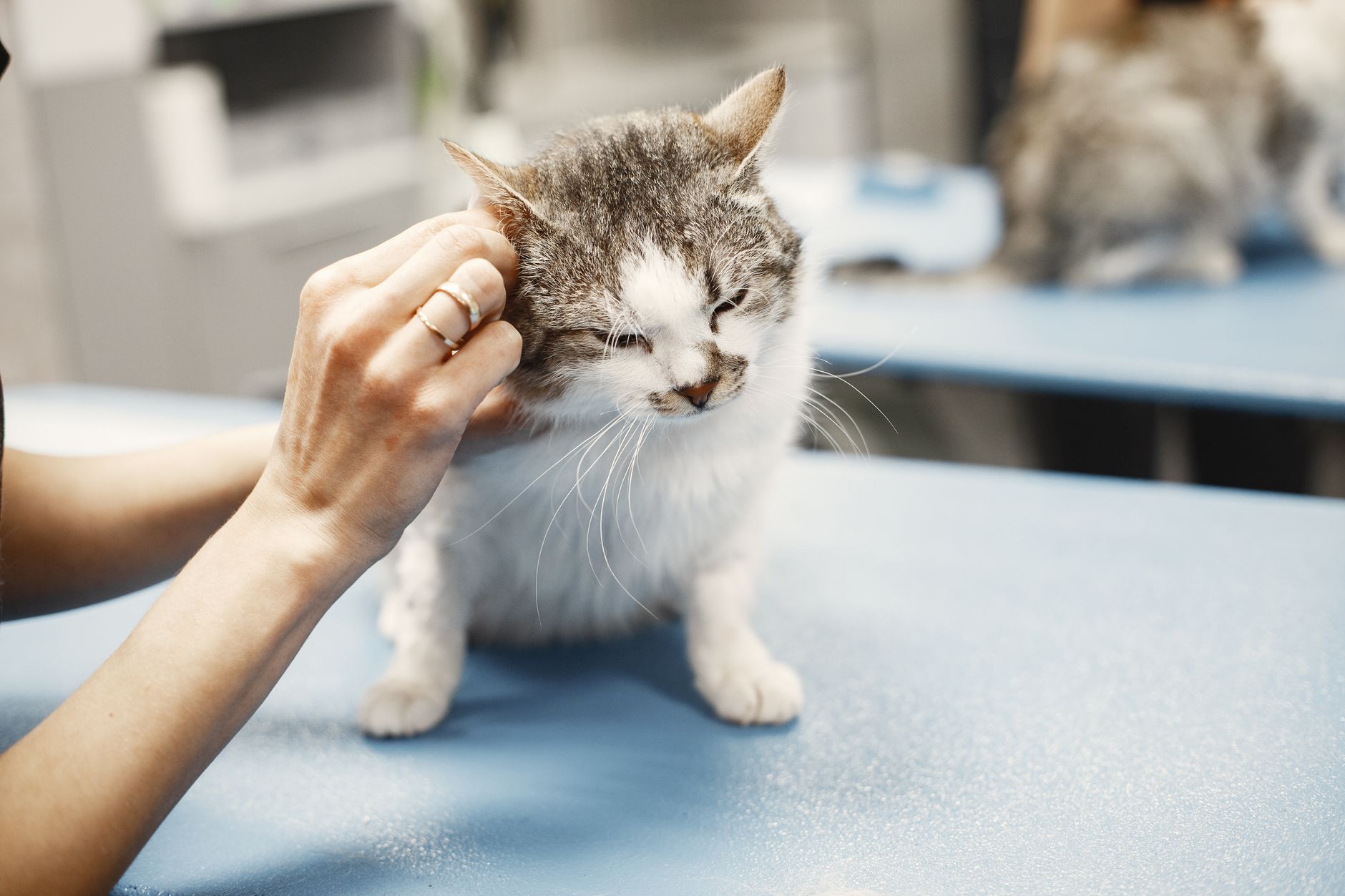
While the Selkirk Rex is generally a sturdy, robust cat with a solid frame, they are prone to certain genetic conditions inherited from their outcrossed ancestors, namely the Persian and British Shorthair. Working with breeders who perform rigorous genetic screening is critical to ensuring a healthy companion. Owners must maintain regular veterinary check-ups to monitor cardiovascular and renal health.
Polycystic Kidney Disease (PKD)
Polycystic Kidney Disease (PKD) is an inherited condition that causes fluid-filled cysts to form in the kidneys, eventually leading to renal failure. Reputable breeders must DNA test their breeding cats to ensure they are negative for the PKD1 gene.
Hypertrophic Cardiomyopathy (HCM)
Hypertrophic Cardiomyopathy (HCM) is the most common heart disease in cats, causing the heart walls to thicken and lose efficiency. Regular echocardiograms are the best way to screen for this condition in breeding lines.
Hip Dysplasia
Because of their heavy-boned, stocky structure, Selkirk Rexes can be prone to hip dysplasia, a malformation of the hip joint that leads to painful arthritis. Keeping your cat at a lean weight is vital for preventing joint strain.
Ear Infections
Their curly coats also mean they have curly hairs inside their ear canals, which can trap wax, dirt, and yeast, leading to painful infections. Regular, gentle ear cleaning is a must for this breed.
How long do Selkirk Rexs typically live?
A healthy Selkirk Rex typically enjoys a lifespan of 10 to 15 years. Providing excellent nutrition, maintaining a healthy weight, and staying on top of preventative vet care are key to maximizing their lifespan.
What to Feed a Selkirk Rex
Because Selkirk Rexes have a heavy, stocky bone structure and a somewhat relaxed lifestyle, they are highly prone to obesity. I cannot stress enough the importance of monitoring their caloric intake to protect their joints and heart.
Best Diet
I recommend a high-protein, low-carbohydrate wet food diet to help maintain lean muscle mass and support urinary tract health. Avoid diets heavy in fillers or grains, and choose formulas tailored to their specific life stage (kitten, adult, or senior).
How to Feed
Feed them measured meals twice daily rather than free-feeding kibble, which easily leads to overeating. Use puzzle feeders to slow down their eating and provide some mental stimulation during mealtime.
How Much to Feed
Portion sizes should be calculated based on your cat’s weight, age, and activity level, typically averaging 200-250 calories per day for an average adult. Always consult your veterinarian to establish a precise feeding plan tailored to your cat’s specific body condition score.
Nutritional Tips
Incorporate Omega-3 and Omega-6 fatty acids to support their unique curly coat and keep their skin healthy. Ensure they always have access to fresh, clean water, preferably from a cat fountain to encourage drinking.
Selkirk Rex Grooming Guide
Grooming a Selkirk Rex requires a unique touch because over-brushing will ruin their beautiful curls and make them look frizzy. I always tell owners to think of their coat like human curly hair—gentle management is key.
Coat Care
Use a wide-toothed metal comb once or twice a week to gently work through tangles without stretching the curls. Avoid slicker brushes, which cause frizz, and only bathe them occasionally when their coat begins to feel greasy.
Skin Care
They can produce excess sebum, making their skin and coat feel oily, which may require a mild, vet-approved cat shampoo during baths to prevent acne or skin irritation.
Eye Care
Their round eyes can occasionally experience minor tearing, especially in those with shorter muzzles; gently wipe the corners daily with a damp, warm cloth.
Ear Care
Check their ears weekly for wax buildup caused by the curly hairs inside the ear canal, and clean them gently with a vet-approved ear-cleaning solution.
Nail & Dental Care
Trim their nails every two to three weeks, and brush their teeth daily using cat-safe toothpaste to prevent periodontal disease, which is common in stocky breeds.
Considerations for Pet Parents
Pros
- Extremely loving, affectionate, and cuddly
- Patient and highly tolerant of children and other pets
- Sturdy, robust health when sourced from ethical breeders
- Unique, eye-catching curly coat that is soft to the touch
- Mellow, adaptable temperament that fits most lifestyles
- Highly intelligent and easy to train
Cons
- Requires specialized grooming to prevent matting and frizz
- Prone to earwax buildup and potential ear infections
- Higher risk of genetic conditions like PKD and HCM
- Can develop a greasy coat if skin oils are not managed
- May shed more than expected for a rex breed
Best For
The Selkirk Rex is ideal for families, multi-pet households, and individuals seeking a gentle, highly affectionate companion who will happily share their bed and lap. They thrive in environments where they receive regular interaction but can adapt to owners who work standard hours.
Not Recommended For
They are not recommended for owners seeking a low-shedding, hypoallergenic pet, as their dense double coat sheds regularly. They are also a poor fit for anyone who cannot commit to regular grooming or lacks the budget for genetic health screenings.
Cost
- purchase price$1,000 – $2,000 USD
- monthly cost$80 – $150 USD
- initial setupExpect an initial setup cost of $400 – $800 for high-quality scratching posts, heavy-duty carrier, grooming tools, litter box, and initial veterinary vaccinations.
Similar Breeds

British Shorthair
Devon Rex
Selkirk Rex FAQs
Is the Selkirk Rex hypoallergenic?
No, the Selkirk Rex is not hypoallergenic. They produce the Fel d 1 protein in their saliva and dander just like other cats, and their dense coat sheds, which can trigger allergies in sensitive individuals.
Do all Selkirk Rex kittens have curly hair?
Surprisingly, no. Some kittens are born with straight coats (often called Selkirk Straights) because the curly gene is dominant but can be passed down alongside a recessive straight-hair gene. Kittens’ curls may also temporarily disappear during their development stage, returning by two years of age.
How do you tell a Selkirk Rex apart from a Devon or Cornish Rex?
While Devon and Cornish Rexes have fine, thin coats and slender, elfin bodies, the Selkirk Rex has a heavy, stocky, round body with a very dense, plush coat that resembles a sheep’s fleece. Their whiskers are also curly and brittle.
Do their whiskers break easily?
Yes, because of the rex gene, their whiskers are curly and highly brittle, meaning they often break off naturally. Do not worry if you notice short or broken whiskers; this is completely normal for the breed.
How often should I bathe a Selkirk Rex?
Bathing should only be done when their coat starts to feel greasy or dirty, typically every 2 to 4 months. Over-bathing can dry out their skin, while under-bathing can lead to sebum buildup, so monitor their coat texture closely.
Are Selkirk Rexes lap cats?
Yes, they are notorious lap hogs. They absolutely love physical warmth and will actively seek out your lap, chest, or shoulders to snooze on whenever you sit still.
Are they vocal cats?
No, they are generally very quiet cats. When they do speak, they have soft, quiet voices, using gentle chirps and purrs to communicate rather than loud meowing.
Can Selkirk Rexes live happily in an apartment?
Absolutely. Their calm, adaptable, and moderately active nature makes them perfectly suited for apartment living, as long as they have vertical space like cat trees to explore.
How do I choose a reputable Selkirk Rex breeder?
Look for breeders who register with TICA or CFA and proudly provide DNA test results proving their breeding cats are negative for PKD and have clear cardiac evaluations. Avoid breeders who sell kittens under 12 weeks of age or refuse to let you see the mother.
Why is my Selkirk Rex losing its curls?
It is common for Selkirk Rex kittens to lose their curls around 16 weeks of age and go through a ‘straight’ phase. Their adult curly coat will typically develop and stabilize by the time they reach two years of age.
Are they prone to skin allergies?
They can be prone to yeast infections on their skin and ears due to their dense, oily coat structure. Keeping their skin clean and feeding a high-quality diet will help prevent these issues.
Do they need a lot of exercise?
They require moderate exercise. They love short, interactive play sessions with feather toys or laser pointers, but they do not have the high-octane, endless energy of a Bengal or Abyssinian.
What is the difference between shorthair and longhair Selkirk Rexes?
Shorthair Selkirks have dense, tight, plush curls resembling a teddy bear, while longhair Selkirks have longer, looser, ringlet-style curls that look particularly prominent around their neck ruffs and tails.
Can they be left alone during the day?
Yes, they are reasonably independent and can handle being alone while you work, provided they have toys to keep them occupied. However, they will expect lots of love and attention upon your return.