
Korat Breed Guide
Quick Summary
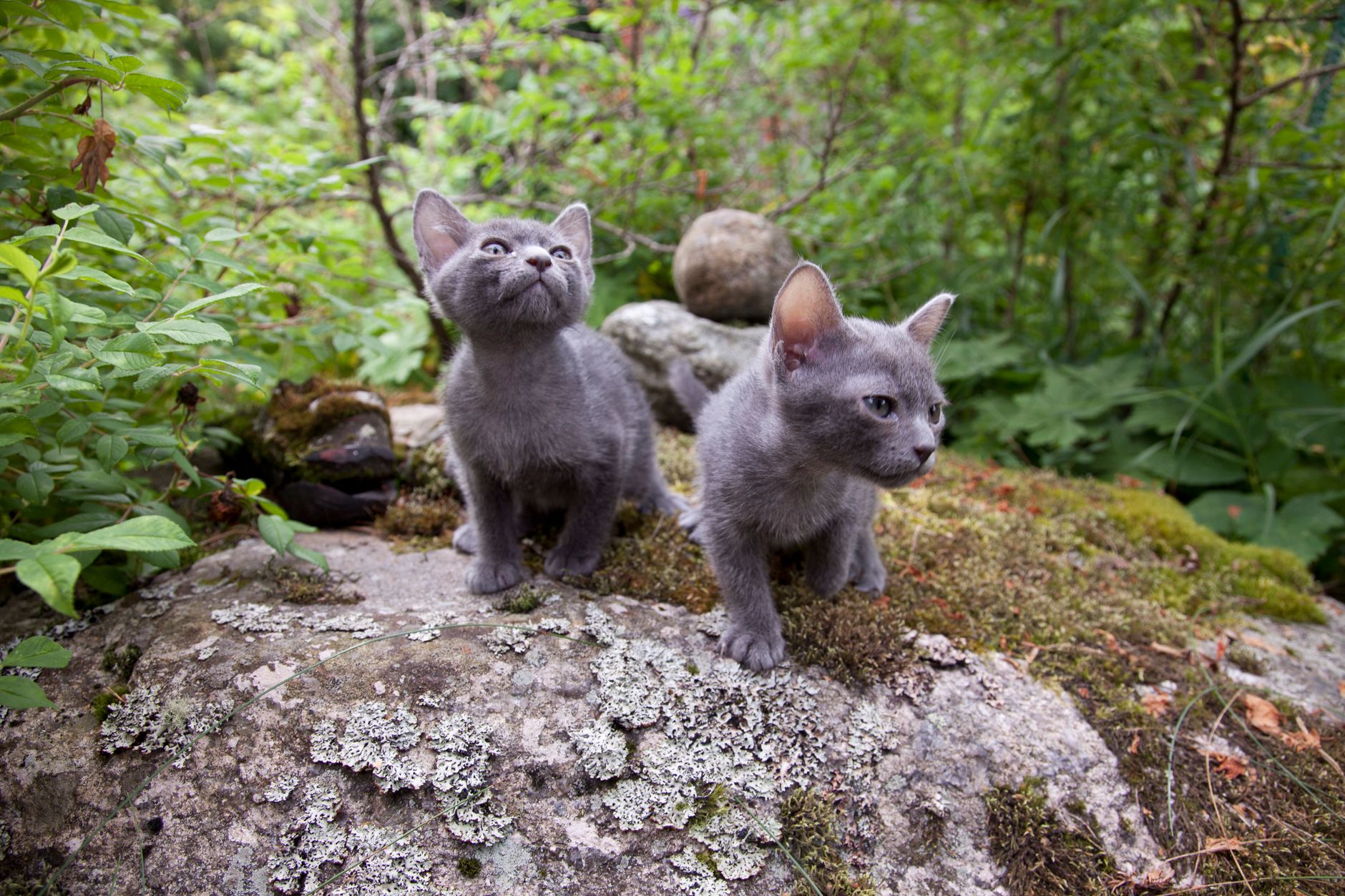
The Korat is an ancient, silver-blue treasure from Thailand, prized for its striking heart-shaped face, luminous green eyes, and fierce devotion to its human companions. Highly intelligent and active, this breed thrives on close interaction and is best suited for households that can offer abundant attention and mental stimulation.
Quick Facts
- origin countryThailand
- breed groupShorthair
- sizeMedium, compact, and muscular
- weight range6 to 10 pounds (2.7 to 4.5 kg)
- height range10 to 12 inches (25 to 30 cm)
- lifespan15 to 20 years
- coat typeSingle coat, short, close-lying, glossy
- common colorsSilver-blue exclusively, tipped with silver giving a halo effect
- other namesSi-Sawat, Malet Cat
- recognized byCFA, TICA, FIFe, GCCF, ACFA
Caring for a Korat
Living with a Korat is like having a tiny, silver-blue shadow that is deeply invested in everything you do. I’ve found that they do not tolerate isolation well; they expect to be part of every daily ritual, from opening mail to sleeping on your pillow. Because they have a single coat with no undercoat, their grooming needs are incredibly minimal, but their social needs are exceptionally high. You must be prepared to provide daily interactive play and mental stimulation to keep their brilliant minds active.
Is a Korat a good family pet?
Yes, they can make wonderful family pets, but they generally prefer quiet, structured households. I always tell families that because Korats are highly sensitive to sudden loud noises, they do best with older, respectful children who understand how to handle cats gently.
Do Korats shed a lot?
No, they shed very little because they possess a single coat lacking a downy undercoat. A quick weekly brush is usually all it takes to remove loose hairs, making them an excellent choice for owners who dislike finding cat hair on their furniture.
Is a Korat good for first-time owners?
They can be a handful for a complete novice due to their high demand for attention and mental stimulation. However, if a first-time owner is dedicated to active play, indoor-only enrichment, and understands that this breed won’t tolerate being left alone all day, they can be highly rewarding.
Temperament & Personality
The Korat’s personality is defined by intense loyalty, sharp intelligence, and an incredibly acute sense of sight and hearing. In my experience, they form an exceptionally strong bond with one or two primary caregivers and can be surprisingly possessive of their humans. They are highly active, playful, and expressive, using their soft but persistent voices to let you know exactly what they need. While affectionate, they can be cautious around strangers and dislike sudden, loud environmental changes.
Is a Korat good with other pets?
They generally get along well with other cats and dog-friendly pets, provided they are introduced slowly and properly. However, due to their assertive nature, they often expect to be the ‘boss’ of the household pet hierarchy.
How much attention does a Korat need?
They require a significant amount of daily interaction and do not do well if left alone for 8 to 10 hours a day. I always recommend that owners who work long hours outside the home get a second companion cat, preferably another Korat or active breed, to keep them company.
Training & Behavior
Because of their remarkable intelligence, Korats are highly trainable and love solving puzzles. I’ve found that they respond incredibly well to positive reinforcement techniques like clicker training, often learning tricks faster than many dog breeds. However, their intelligence means they can easily learn how to open cabinets, turn on faucets, and manipulate their environment if left unchecked.
Training Tips
- Use high-value, smelly treats like freeze-dried chicken for training sessions.
- Keep training sessions short, around 3 to 5 minutes, to match their focus.
- Incorporate a clicker to mark the exact moment they perform the desired behavior.
- Never use physical punishment, as Korats are highly sensitive and will quickly lose trust in you.
- Train them to use a scratching post early by placing catnip or toys near it.
Fun Activities
- Leash walking with a secure, H-style harness
- Interactive puzzle feeders and treat-dispensing toys
- Playing fetch with lightweight crinkle balls or felt mice
- Agility courses built from cushions and boxes in the living room
- Clicker training sessions to learn ‘sit’, ‘stay’, and ‘high-five’
Is a Korat easy to train?
Yes, they are exceptionally easy to train because they are eager to please and highly motivated by food and attention. They can quickly learn to fetch, walk on a harness, and follow basic voice commands when trained with positive reinforcement.
Korat Health Issues
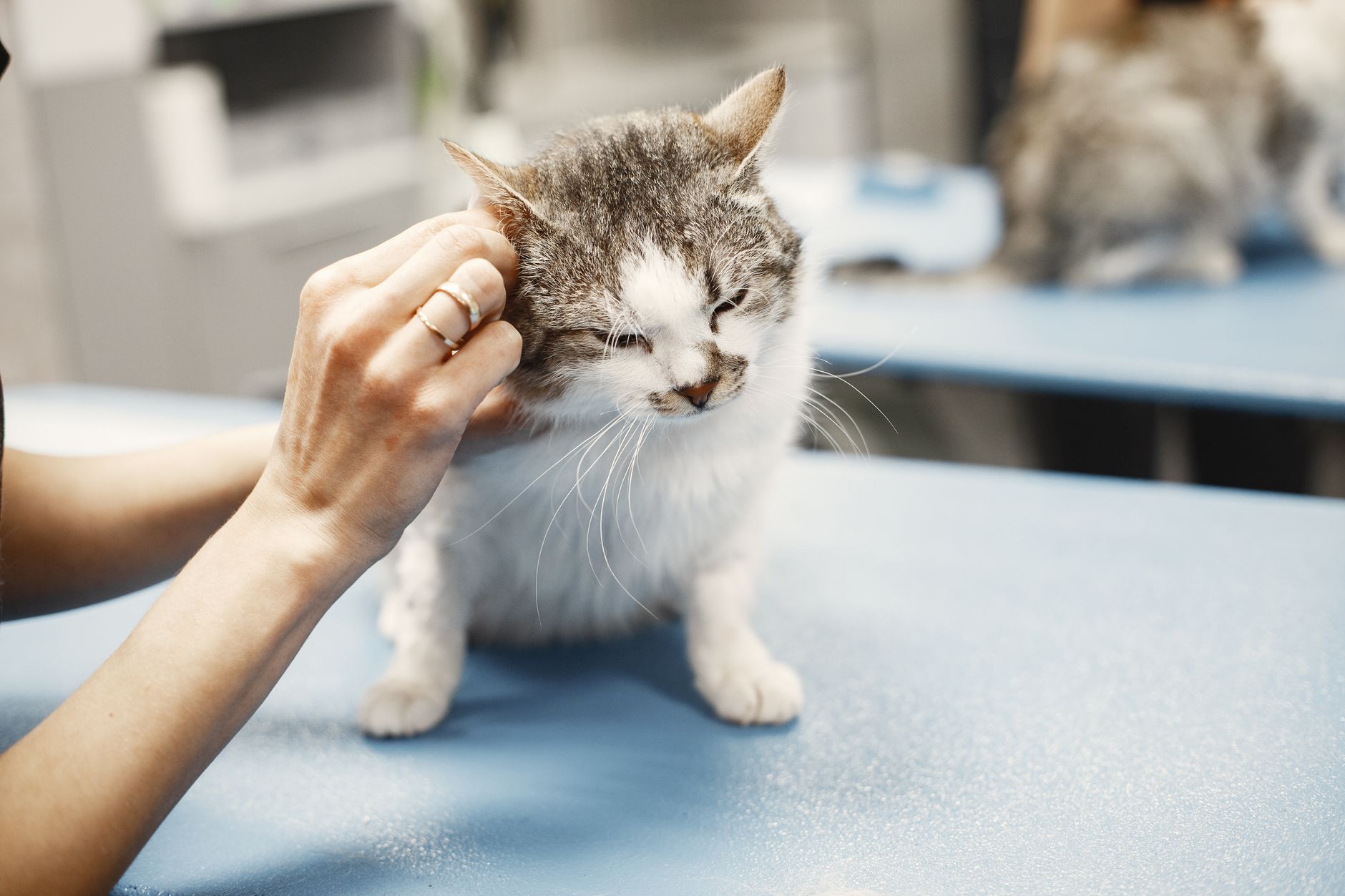
The Korat is generally a very robust and long-lived breed, but they do have a few genetic vulnerabilities that prospective owners must be aware of. Working closely with a reputable breeder who performs DNA testing is critical to ensuring a healthy kitten.
GM1 and GM2 Gangliosidosis
An inherited metabolic disorder caused by a lack of necessary enzymes, leading to a toxic buildup of lipids in the brain and nervous system. Symptoms typically manifest early in kittenhood (around 1 to 4 months of age) and are unfortunately fatal.
Sensitivity to Anesthesia
Korats typically have a very low percentage of body fat, which makes them highly sensitive to certain anesthetics and sedatives. Standard dosages calculated by weight can easily lead to hypothermia or overdose.
Corneal Sequestrum
A condition where a portion of the cornea dies, forming a dark brown or black spot on the eye surface. It is often triggered by chronic irritation or trauma to their large, prominent eyes.
Upper Respiratory Infections (URIs)
While not unique to the Korat, their compact facial structure can sometimes make them slightly more susceptible to mild respiratory issues if exposed to crowded or stressful environments.
How long do Korats typically live?
With proper nutrition, regular veterinary care, and an indoor-only lifestyle, Korats frequently live between 15 and 20 years. They are known for maintaining their playful, kitten-like energy well into their senior years.
What to Feed a Korat
Because Korats are highly active and muscular, they require a high-protein diet to maintain their lean body mass. It is vital to monitor their weight closely, as their compact frame can easily carry excess fat if they are overfed.
Best Diet
I highly recommend a diet rich in animal-based protein, ideally focusing on high-quality wet food to support hydration and kidney health. Transitioning from kitten-specific food to adult food should happen around 12 months of age, in consultation with your veterinarian.
How to Feed
Establish a structured feeding schedule of 2 to 3 small, measured meals per day rather than free-feeding. Free-feeding often leads to obesity in housebound cats, even active ones like the Korat.
How Much to Feed
Portion sizes should be tailored to their age, weight, and daily activity level, typically hovering around 200 to 250 calories per day for an active adult. Always consult your veterinarian to establish exact portions, especially as your cat’s metabolism changes with age.
Nutritional Tips
Incorporate puzzles or treat-dispensing toys for dry kibble portions to stimulate their hunting instincts. Always ensure they have access to fresh, filtered water, ideally from a cat fountain to encourage drinking.
Korat Grooming Guide
Grooming a Korat is a breeze, making them one of the easiest breeds to maintain physically. Their single coat does not mat, meaning grooming sessions are more about bonding than intensive detangling.
Coat Care
Brush their coat once a week with a soft-bristle brush or a rubber grooming glove to remove dead hairs and distribute natural skin oils. During the seasonal transition in spring, a bit more frequent brushing can help manage the slight increase in shedding.
Skin Care
Their skin is generally healthy, but ensure you feed a diet rich in Omega-3 fatty acids to keep their coat glossy and prevent dry, flaky skin.
Eye Care
Because their large green eyes are quite prominent, check them daily for any debris or tear staining. Wipe gently with a damp, soft cloth if needed, using a separate section of the cloth for each eye.
Ear Care
Check ears weekly for dirt, redness, or a bad odor, which can indicate an infection. Clean only if necessary using a vet-approved ear cleaner and a cotton ball, never inserting cotton swabs into the ear canal.
Nail & Dental Care
Clip their nails every 2 to 3 weeks using a cat-specific nail clipper. Brush their teeth at least 3 times a week with veterinary enzymatic toothpaste to prevent periodontal disease, which is common in all domestic cats.
Considerations for Pet Parents
Pros
- Extremely loyal and affectionate with their chosen family
- Very low-maintenance, single-layer coat with minimal shedding
- Highly intelligent and easily trained to perform tricks and walk on a leash
- Long-lived and generally robust when screened for genetic issues
- Playful, active, and highly entertaining companion
Cons
- Highly demanding of attention and prone to separation anxiety
- Extremely sensitive to loud noises, chaotic environments, and sudden changes
- Can be possessive of their owners and jealous of other pets
- Requires constant mental stimulation to prevent mischievous behavior
Best For
They are best for owners who spend a significant amount of time at home, appreciate an interactive, dog-like cat companion, and can provide a relatively quiet, structured household environment.
Not Recommended For
They are not recommended for busy households where the cat will be left alone for 8 to 10 hours a day, or for families with very young, chaotic children who might startle this noise-sensitive breed.
Cost
- purchase price$1,000 to $2,000
- monthly cost$80 to $150
- initial setupExpect to spend $400 to $800 initially on high-quality vertical scratching posts, cat trees, puzzle toys, litter boxes, vet exams, and spaying/neutering.
Similar Breeds
Russian Blue

Chartreux
Korat FAQs
Are Korats hypoallergenic?
No, Korats are not hypoallergenic. However, because they have a single coat and no downy undercoat, they produce less airborne dander and shed much less than double-coated breeds, which some owners with mild allergies find easier to tolerate.
How can you tell the difference between a Korat and a Russian Blue?
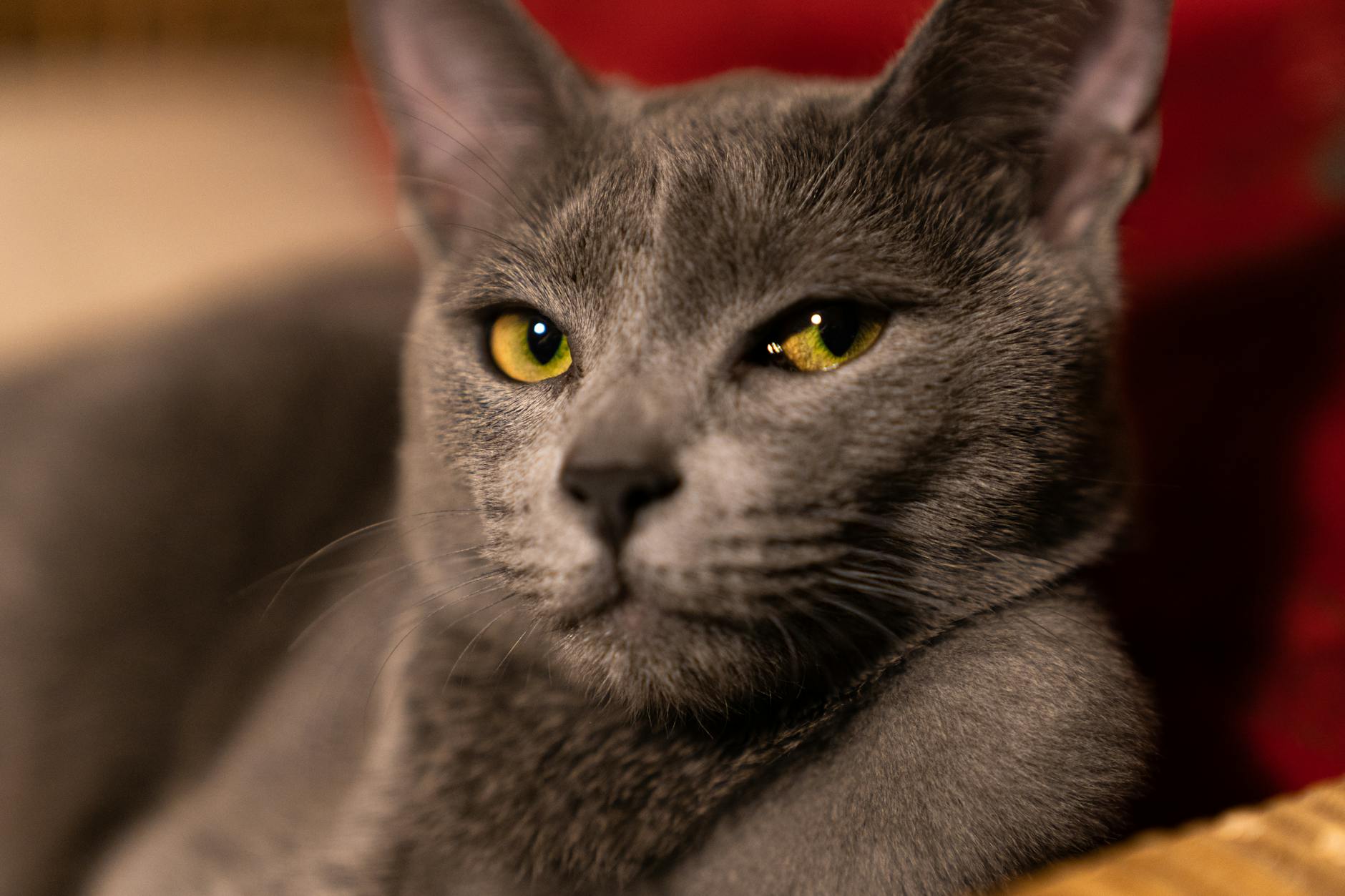
While they look similar, the Korat has a heart-shaped face, a compact, semi-cobby body, and large, prominent, luminous green eyes. In contrast, the Russian Blue has a wedge-shaped head, a longer, more elegant body, and emerald green eyes. Additionally, the Korat’s single coat is smoother and closer-lying than the double coat of the Russian Blue.
Do Korat cats get along with dogs?
Yes, Korats can get along well with dogs, especially if they are introduced slowly and the dog has a calm, respectful demeanor. Because Korats are highly assertive, they often establish themselves as the household leader, regardless of the dog’s size.
Are Korat cats rare?
Yes, they are considered a rare breed outside of Thailand. Because they are highly valued and breeders strictly regulate their breeding lines to preserve the purity of the ancient heritage, finding a reputable breeder can often involve a waiting list of several months to a year.
At what age do a Korat’s eyes turn green?
Korat kittens are born with blue eyes, which transition to amber or a luminous golden-green in adolescence. Their brilliant, signature green color is slow to mature, often taking 2 to 4 years to fully develop into the luminous, dew-drop green of adulthood.
Do Korats like to be held?
Yes, most Korats love to be held and cuddled, but they are highly selective about who holds them. They prefer to be held by their favorite humans and will cuddle closely on their own terms, often curling up tightly around your neck or in your lap.
Can Korats be left alone during the work day?
I do not recommend leaving a Korat completely alone for 8 to 10 hours a day. They are prone to separation anxiety and can develop destructive behaviors if lonely; they do much better with a human who works from home or with a companion cat to keep them company.
Why does my Korat follow me everywhere?
This is a classic breed trait. Korats are often described as ‘velcro’ cats because they form deep, possessive bonds with their owners. They simply want to participate in everything you do, viewing themselves as active partners in your daily tasks.
Are Korats indoor-only cats?
Absolutely. Because of their rare value, lack of an undercoat to protect them from cold weather, and high curiosity which can lead them into trouble, it is strongly recommended that Korats be kept as strictly indoor-only cats.
Do Korats vocalize a lot?
They are highly communicative but not exceptionally loud. They will talk to you using a wide range of soft chirps, trills, and gentle meows to express their needs, but they rarely produce the loud, harsh screeches associated with their Siamese cousins.
How do I know if my Korat is happy?
A happy Korat is highly interactive. They will show happiness by following you with an upright tail curved slightly at the tip, initiating games of fetch, purring loudly while pressing their forehead against yours, and blinking slowly with their large green eyes.
What is the history of the Korat cat?
The Korat is an ancient natural breed originating in the Korat province of Thailand, where they are known as ‘Si-Sawat’ (meaning color of the sawat seed, a symbol of good fortune). They are recorded in the historic Thai ‘Cat Book of Poems’ dating back to the Ayutthaya Kingdom (1350–1767) and were traditionally never bought, but only gifted as a symbol of prosperity and happy marriage.
Is a male or female Korat better?
Both genders make incredible, loving companions. In my experience, neutered males tend to be slightly more relaxed, outgoing, and eagerly affectionate with visitors, while spayed females are often highly intelligent, fiercely loyal to one primary person, and a bit more demanding of household rules.