
Norwegian Forest Cat Breed Guide

Quick Summary
The Norwegian Forest Cat is a magnificent, slow-maturing giant built for the harsh Scandinavian winters, possessing a waterproof double coat and an unmatched love for high altitudes. In my years of working with them, I’ve found their calm, ‘gentle giant’ demeanor and dog-like loyalty make them an absolute dream for active families who don’t mind a bit of grooming. They are highly independent yet deeply affectionate companions that thrive when given vertical space to explore.
Quick Facts
- origin countryNorway
- breed groupNatural breed
- sizeLarge and muscular with a substantial bone structure
- weight range8 to 16 pounds for females, 12 to 20+ pounds for males
- height range9 to 12 inches
- lifespan12 to 16 years
- coat typeDense, water-repellent double coat with a heavy ruff and britches
- common colorsNearly all colors and patterns except pointed, chocolate, lilac, cinnamon, and fawn
- other namesNorsk Skogkatt, Wegie, Forest Cat
- recognized byCFA, TICA, FIFe, GCCF, ACFA
Caring for a Norwegian Forest Cat
Living with a Wegie is like having a tiny, friendly wildcat roaming your living room. In my experience, they are incredibly low-drama cats who take life in stride, but they do require a commitment to environmental enrichment and regular coat maintenance. Because they don’t fully mature until they are about five years old, you will be managing a large, heavy body with a playful, kitten-like mind for a long time. I always tell owners to invest in heavy-duty cat trees because standard trees will simply topple over under their weight.
Is a Norwegian Forest Cat a good family pet?
Absolutely, they are fantastic with children. Their calm temperament and robust physical build mean they aren’t easily startled by loud noises or clumsy toddlers, though I always recommend supervising young kids to ensure gentle handling.
Do Norwegian Forest Cats shed a lot?
Yes, they shed moderately year-round, but they will completely blow their dense undercoats twice a year, usually in spring and autumn. During these seasonal blowouts, you will need to brush them daily to prevent massive tumbleweeds of hair from taking over your home.
Is a Norwegian Forest Cat good for first-time owners?
They can be, provided you understand their size and grooming needs. Their easygoing nature makes them incredibly forgiving for novices, but you must be prepared for the heavy shedding and the need for sturdy vertical climbing setups.
Temperament & Personality
Wegies are the epitome of the ‘gentle giant’ archetype. They are sweet, family-oriented, and remarkably well-adjusted, showing a calm confidence that makes them excellent candidates for busy households. Unlike some demanding breeds, they are happy to occupy the same room as you without constantly demanding your undivided attention. I’ve observed that they have a unique way of communicating, using quiet, melodic chirps and trills rather than loud, persistent meowing.
Is a Norwegian Forest Cat good with other pets?
In my experience, they are incredibly social and bond beautifully with other cats and friendly dogs. Their laid-back attitude prevents most territorial conflicts, though they do have a high prey drive, so smaller pocket pets should be kept safely out of reach.
How much attention does a Norwegian Forest Cat need?
They are companionable but not clingy; they love being close to you, often resting on a nearby chair rather than right on your lap. They handle moderate periods of being alone quite well, making them ideal for owners who work standard business hours.
Training & Behavior
These are highly intelligent cats that love puzzle toys and interactive play. Training them is a joy because they are eager to please and highly motivated by food and praise. A unique behavioral trait of the Wegie is their climbing style: thanks to their powerful hind legs and heavy claws, they are one of the few domestic breeds that will climb down trees or scratching posts headfirst.
Training Tips
- Use positive reinforcement with high-value treats like freeze-dried chicken.
- Incorporate puzzle feeders to keep their sharp minds occupied.
- Teach them tricks like ‘sit’ and ‘high-five’ to channel their high intelligence.
- Target training is highly effective for getting them to voluntarily enter carriers.
Fun Activities
- Climbing high-end, floor-to-ceiling cat trees
- Playing fetch with lightweight crinkle balls
- Leash training for outdoor walks in safe, quiet areas
- Solving level 2 and 3 interactive food puzzles
- Chasing feather wands that mimic bird movements
Is a Norwegian Forest Cat easy to train?
Yes, they are highly trainable due to their curious nature and intelligence. I have seen owners successfully clicker-train them to perform basic behaviors and even walk comfortably on a harness and leash with just a few weeks of consistent practice.
Norwegian Forest Cat Health Issues
While Norwegian Forest Cats are generally a hardy, robust natural breed, their gene pool does carry a few hereditary conditions. Responsible breeders screen their breeding stock diligently, so always ask to see clearance certificates before purchasing a kitten.
Glycogen Storage Disease IV (GSD IV)
A rare, fatal inherited metabolic disorder specific to this breed that disrupts glucose metabolism, leading to progressive neuromuscular degeneration.
Hypertrophic Cardiomyopathy (HCM)
The most common form of heart disease in all cats, causing a thickening of the heart walls and potential heart failure.
Hip Dysplasia
A genetic malformation of the hip joint that can lead to painful osteoarthritis, particularly common in large, heavy-boned breeds.
Pyruvate Kinase (PK) Deficiency
An inherited red blood cell enzyme deficiency that causes intermittent or chronic hemolytic anemia.
How long do Norwegian Forest Cats typically live?
A healthy Norwegian Forest Cat typically lives between 12 and 16 years. Providing a balanced, high-protein diet, keeping them strictly indoors, and maintaining annual veterinary exams will maximize their chances of a long, healthy life.
What to Feed a Norwegian Forest Cat
Because Wegies are large-framed, slow-growing cats, their nutritional needs must support steady skeletal growth without causing rapid weight gain. Keeping them lean is critical to protecting their large joints from early-onset arthritis.
Best Diet
I highly recommend a diet rich in high-quality animal proteins and moisture, combining grain-free wet canned food with a premium, large-breed dry kibble. Formulations containing omega-3 fatty acids are excellent for supporting their massive coats and joint health.
How to Feed
I advise split feedings rather than free-feeding to prevent obesity. Feed adult Wegies twice daily on a strict schedule, and utilize puzzle feeders to slow down fast eaters and provide mental stimulation during mealtime.
How Much to Feed
Portion sizes should be determined based on your cat’s weight, age, and activity level. Generally, an active 15-pound male will require around 280 to 320 calories per day, but you should always consult your vet to tailor this specifically to your cat’s body condition score.
Nutritional Tips
Always keep fresh, filtered water available, preferably in a pet fountain. Wegies love running water, and keeping them well-hydrated is crucial for preventing lower urinary tract issues and kidney disease.
Norwegian Forest Cat Grooming Guide
The Wegie’s magnificent double coat is surprisingly low-maintenance for most of the year, but it requires a dedicated routine to prevent painful matting and keep it looking its best. The woolly undercoat is protected by a glossy, water-resistant topcoat that repels dirt naturally.
Coat Care
A thorough combing once or twice a week with a long-toothed metal greyhound comb is usually sufficient. During the heavy spring shedding season, you will need to switch to daily brushing using a slicker brush and undercoat rake to pull out the dead, loose hair.
Skin Care
Regular brushing stimulates natural skin oils, keeping their skin supple. If you notice dry, flaky skin, check with your vet as it may indicate a dietary deficiency or an underlying allergy.
Eye Care
Wegies have minimal eye discharge, but if you notice any buildup in the corners, gently wipe it away using a soft, damp cloth, using a different section of the cloth for each eye to prevent any potential spread of infection.
Ear Care
Check their ears weekly for dirt, wax, or signs of mites. If they look dirty, clean them using a cotton ball moistened with a vet-approved ear cleaner, never inserting cotton swabs into the ear canal.
Nail & Dental Care
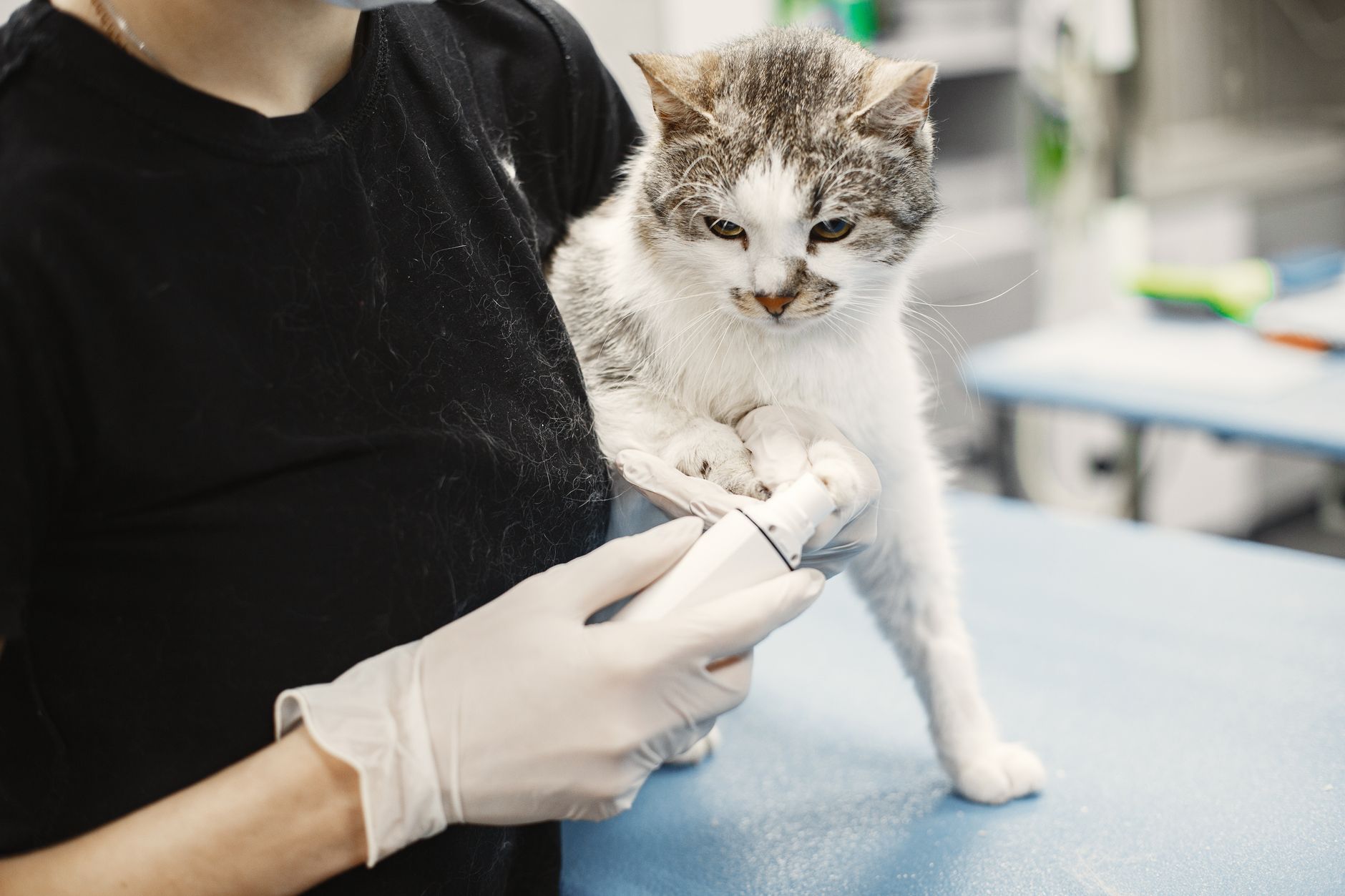
Trim their heavy, fast-growing claws every 2 to 3 weeks. Brush their teeth at least three times a week with pet-safe enzymatic toothpaste to prevent periodontal disease, which is highly common in domestic cats.
Considerations for Pet Parents
Pros
- Incredibly gentle, friendly, and patient temperament
- Quiet and melodious vocalizations instead of loud meowing
- Stunning, majestic wild appearance
- Highly adaptable to busy, multi-pet households
- Very intelligent and easily trained
- Independent enough to tolerate owners working during the day
Cons
- Heavy seasonal shedding requires significant cleanup
- Takes up to five years to reach full size and maturity
- Requires heavy-duty, expensive cat furniture due to their size
- Prone to genetic health issues like HCM and GSD IV if not sourced from a reputable breeder
Best For
Active families, multi-pet homes, and individuals who want a loyal, dog-like companion and have the space for tall, sturdy cat furniture.
Not Recommended For
Those who suffer from severe cat allergies, families who want an ultra-light lap cat, or anyone unwilling to commit to regular coat brushing and vacuuming.
Cost
- purchase price$1,200 to $2,500 from a reputable, registered breeder
- monthly cost$80 to $150 for high-quality food, litter, and preventative vet care
- initial setupExpect to spend $400 to $600 initially on extra-large litter boxes, heavy-duty scratching posts, solid wood cat trees, and grooming tools.
Similar Breeds
Maine Coon

Siberian Cat
Norwegian Forest Cat FAQs
How do you tell a Norwegian Forest Cat apart from a Maine Coon?
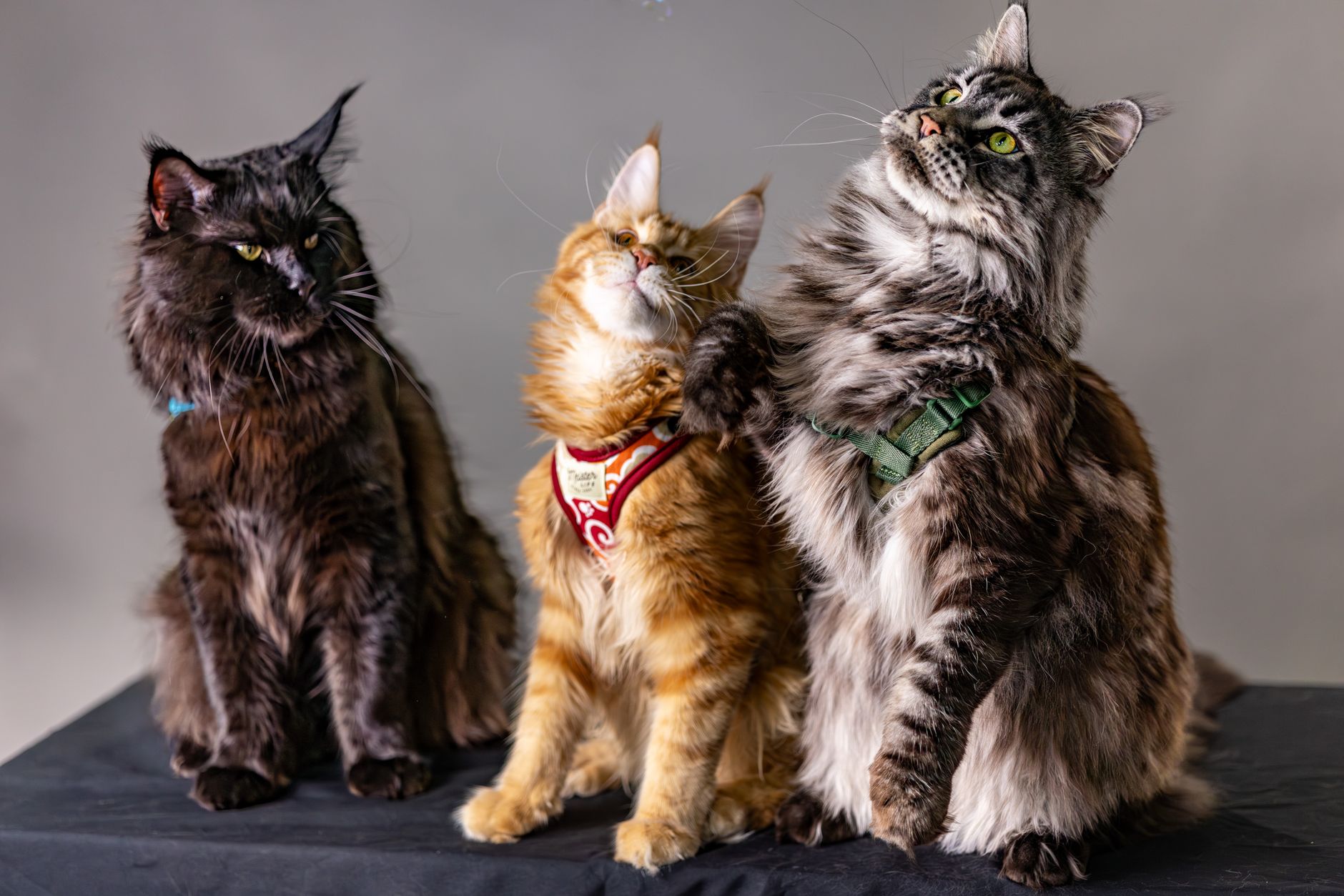
Wegies have a straight, triangular profile from the forehead to the nose, almond-shaped eyes set at an oblique angle, and a flat forehead. Maine Coons, by contrast, have a distinctive concave profile (a wedge or ‘dip’ in the nose), large round eyes, a square muzzle, and are generally larger with shaggier coats.
Do Norwegian Forest Cats like water?
Yes, many of them do. Their outer coat is highly water-repellent, meaning they don’t get soaked to the skin easily. I’ve seen many Wegies fascinated by dripping faucets, and some will even join their owners in the shower or splash around in shallow water bowls.
Why does my Norwegian Forest Cat climb down trees headfirst?
This is a unique trait of the breed. They have incredibly strong rear legs and heavy, thick claws that allow them to grip bark securely. They spiral down trees headfirst, whereas other domestic breeds must back down butt-first.
Are Norwegian Forest Cats hypoallergenic?
No, they are not hypoallergenic. They produce the Fel d 1 protein in their saliva and skin glands just like other cats, and their heavy shedding can easily spread dander and saliva-coated fur around your home.
How big do male Norwegian Forest Cats get?
Male Wegies are significantly larger than females and can easily reach 12 to 20 pounds, with some healthy, non-obese males weighing up to 22 pounds. They do not reach this maximum size until they are 4 to 5 years of age.
Do they make good outdoor cats?
While they are physically built to survive the harsh Norwegian outdoors, I strongly advise keeping them strictly indoors or inside a secure catio. Keeping them indoors protects them from cars, predators, diseases, and the theft of such a valuable, striking breed.
Are they vocal cats?
No, they are generally very quiet. When they do speak, they don’t emit a typical loud ‘meow’ but rather a soft, high-pitched chirping or trilling sound, which they use to communicate with their favorite humans.
Can Norwegian Forest Cats jump high?
They are exceptional jumpers. Their muscular, long hind legs are built for powerful leaps, and they will easily clear high obstacles to reach the tops of bookcases, refrigerators, and doors.
How often should I bathe a Norwegian Forest Cat?
Rarely. Because of their water-resistant topcoat, bathing them is incredibly difficult because the water literally rolls off them. Regular combing is usually enough to keep them clean unless they get into something sticky or toxic.
What kind of cat tree is best for a Wegie?
You must buy a heavy-duty cat tree made of solid wood with a wide, weighted base. Standard, cheap particle-board trees will wobble or snap under the weight of an active, jumping 18-pound cat.
Do they get lonely if left alone?
Wegies are fairly independent and can handle a standard 8-hour workday fine. However, they are social creatures, so if you are away frequently, they will greatly benefit from having another friendly cat or dog for company.
Are they lap cats?
This varies by individual, but on average, they prefer to be close to you rather than directly on you. They are more likely to curl up next to your thigh on the sofa or sleep at the foot of your bed rather than drape themselves across your chest.
Do they have health problems because of their thick coats?
In hot climates, they can overheat. I always recommend keeping your home well-air-conditioned during hot summer months and ensuring they have access to cool tile floors and plenty of fresh water.