
American Shorthair Breed Guide

Quick Summary
The American Shorthair is the ultimate low-maintenance, high-reward companion, famous for its easygoing nature and robust health. Perfect for busy families and first-time owners, this adaptable cat offers the ideal balance of affectionate companionship and independent charm.
Quick Facts
- origin countryUnited States
- breed groupShorthair
- sizeMedium to Large
- weight range8 to 15 lbs
- height range8 to 10 inches
- lifespan15 to 20 years
- coat typeShort, dense, hard, and lustrous
- common colorsSilver Tabby, Brown Tabby, Solid Black, Blue, White, Tortoiseshell
- other namesHistorically called the Domestic Shorthair (prior to 1966)
- recognized byCFA, TICA, ACFA, CCA
Caring for a American Shorthair
Living with an American Shorthair is delightfully uncomplicated because they are remarkably self-sufficient. In my years working with them, I’ve found they happily adapt to almost any routine, making them perfect for both active households and quiet apartments. They do require consistent weight monitoring, as their historic mousing instincts don’t always translate well to sedentary indoor lives. Ensure you set aside 15 minutes daily for interactive play to keep their muscular frame in peak condition.
Is an American Shorthair a good family pet?
Absolutely. Their calm, tolerant demeanor makes them fantastic companions for children, and they rarely get startled by sudden household noise or chaotic family environments.
Do American Shorthairs shed a lot?
They shed moderately year-round, with a noticeable ‘blow out’ of their undercoat during the spring and fall. Weekly brushing is usually more than enough to manage the loose hair.
Is an American Shorthair good for first-time owners?
I highly recommend them for beginners. They don’t demand constant attention, are incredibly forgiving of minor routine shifts, and lack the high-strung sensitivity of more demanding breeds.
Temperament & Personality

This is a breed of quiet confidence and gentle affection. They love being in the same room as you, often curling up nearby, but they rarely demand your lap or vocalize for constant attention. I often describe them as ‘easy keepers’ because they strike the perfect balance between independence and loyalty. They retain a keen prey drive and are surprisingly playful, even well into their senior years.
Is an American Shorthair good with other pets?
Yes, they are exceptionally social with other animals. I’ve seen them live peacefully alongside high-energy dogs and other cats, provided introductions are done gradually.
How much attention does an American Shorthair need?
They are highly independent and cope well with owners who work standard office hours. They will greet you happily at the door but won’t climb the curtains if left alone for the day.
Training & Behavior
With their working background, American Shorthairs are highly intelligent and capable of learning basic commands. However, they aren’t eager-to-please lapdogs; they need motivation, usually in the form of high-value treats or interactive play. I’ve successfully trained many to fetch toys, walk on harnesses, and use scratching posts instead of furniture with just a bit of patience.
Training Tips
- Use high-value food rewards like freeze-dried chicken.
- Keep training sessions short, around 3 to 5 minutes.
- Redirect scratching behaviors early using sturdy sisal posts.
- Introduce a clicker early to keep their sharp minds engaged.
Fun Activities
- Interactive feather wand play
- Laser pointer chases ending with a physical toy to catch
- Food puzzle toys and treat dispensers
- Harness training for safe outdoor walks
- Learning to fetch small crinkle balls
Is an American Shorthair easy to train?
They are moderately easy to train because they are smart and food-motivated, though they do possess an independent streak. Consistency and positive reinforcement are your best tools.
American Shorthair Health Issues
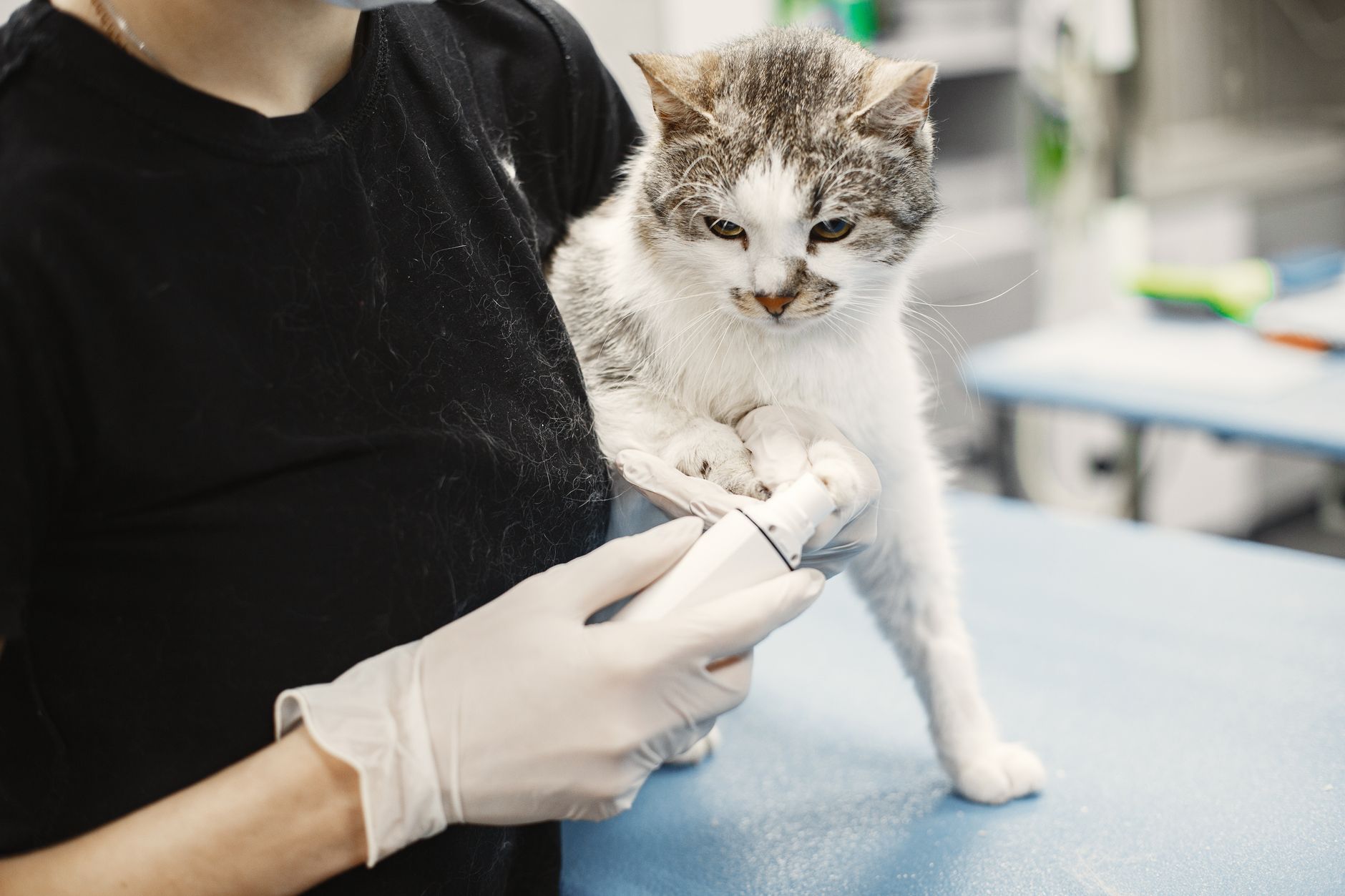
Having descended from rugged farm cats, the American Shorthair is an exceptionally robust breed with a long lifespan. However, like all breeds, they carry genetic predispositions to a few specific conditions that owners must watch out for.
Hypertrophic Cardiomyopathy (HCM)
The most common form of heart disease in cats, causing thickening of the heart walls. It is inherited, so screening parent cats via echocardiogram is crucial before breeding.
Obesity
Because of their calm nature and love for food, they easily pack on excess weight, which strains their joints, increases diabetes risk, and shortens their lifespan.
Hip Dysplasia
A genetic malformation of the hip joint that can lead to painful arthritis over time. It is less common than in dogs but still present in larger lines.
Renal Failure
A common age-related condition in senior cats where the kidneys gradually lose function over time, requiring management through diet and hydration.
How long do American Shorthairs typically live?
They are notoriously long-lived, often reaching 15 to 20 years when kept strictly indoors, fed a balanced diet, and provided with regular veterinary care.
What to Feed a American Shorthair
Because this breed is prone to carrying extra weight, their diet requires careful portion control. I always warn owners against free-feeding dry food, as American Shorthairs are notorious over-eaters.
Best Diet
A diet rich in high-quality animal proteins with minimal carbohydrate fillers is ideal. I highly recommend incorporating wet food to ensure adequate hydration and protect their kidneys.
How to Feed
Establish a strict schedule of two to three measured meals per day. Avoid leaving food out continuously, which encourages lazy grazing and rapid weight gain.
How Much to Feed
An average adult requires roughly 200 to 250 calories per day, but this varies. Always consult your vet to calculate exact portions based on your cat’s weight, age, and activity level.
Nutritional Tips
Look for diets featuring real meat as the first ingredient and avoid formulas heavy in corn or wheat. Use puzzle feeders to slow down fast eaters and burn extra calories.
American Shorthair Grooming Guide
Grooming an American Shorthair is incredibly straightforward, making them a dream for busy owners. Their short, dense coat does not mat, but regular maintenance keeps shedding under control.
Coat Care
Brush their coat once a week with a rubber curry brush or a fine-toothed metal comb to remove dead undercoat. During seasonal shedding in spring, increase this to twice weekly.
Skin Care
Their natural skin oils keep their coat lustrous, so baths are rarely needed unless they get into something messy.
Eye Care
Normally, their eyes require no special care, but occasional tearing can be wiped clean with a damp, soft cloth.
Ear Care
Check ears weekly for dirt or wax buildup; wipe gently with a cotton ball dampened with a vet-approved ear cleaner if needed.
Nail & Dental Care
Clip nails every 2-3 weeks and brush their teeth daily with feline-specific toothpaste to prevent periodontal disease.
Considerations for Pet Parents
Pros
- Incredibly gentle and patient with children
- Remarkably long-lived and structurally robust
- Low-maintenance grooming routine
- Quiet and highly adaptable to apartment living
- Very independent and copes well with alone time
- Strong immune system and genetic diversity
Cons
- Highly prone to obesity if diet isn’t controlled
- Can be somewhat aloof or independent at times
- Moderate shedding requires regular vacuuming
- Retains high prey drive, dangerous for small pets
Best For
This breed is ideal for busy families, singles, or seniors looking for a low-drama, affectionate, yet independent companion. They fit perfectly into households where people work during the day.
Not Recommended For
I wouldn’t recommend them to owners looking for an intensely demanding, velcro-lap cat, or homes with free-roaming pocket pets like hamsters and birds.
Cost
- purchase price$600 to $1,500
- monthly cost$50 to $100
- initial setupExpect to spend $300 to $500 initially on high-quality scratching posts, carrier, litter boxes, toys, and the first vet checkup.
Similar Breeds

British Shorthair

Exotic Shorthair
American Shorthair FAQs
What is the difference between an American Shorthair and a Domestic Shorthair?
The American Shorthair is a pedigreed breed with strict standard characteristics, whereas a Domestic Shorthair is a mixed-breed cat of unknown lineage. While they look similar, the pedigreed American Shorthair offers a highly predictable size, temperament, and appearance.
Do American Shorthairs like to cuddle?
They do, but on their own terms. In my experience, they prefer sitting next to you on the couch or resting their head on your feet rather than being held or forced into a lap cuddle.
How big do American Shorthair cats get?
Males are surprisingly muscular and heavy, typically weighing between 11 and 15 pounds (sometimes more). Females are noticeably smaller, usually ranging from 8 to 12 pounds.
Are American Shorthairs hypo-allergenic?
No, they are not hypoallergenic. They produce normal levels of the Fel d 1 protein in their saliva and skin oils, and they do shed, which can trigger allergies in sensitive individuals.
Why is the Silver Tabby pattern so famous in this breed?
The silver classic tabby is the hallmark pattern of the breed, accounting for a massive percentage of show winners. It features striking, dense black markings contrasted against a clear, shimmering silvery background.
Can American Shorthairs be left alone while I am at work?
Yes, they are highly independent and adapt beautifully to a standard workday. Providing them with window access or puzzle toys will keep them perfectly content while you are away.
Are they vocal cats?
Generally, no. They have quiet, sweet voices and rarely meow unless they are reminding you it is dinnertime or demanding access to a closed room.
Do American Shorthairs climb a lot?
They enjoy climbing but are not as intensely vertical as breeds like the Abyssinian. A standard, sturdy cat tree will satisfy their moderate desire to view their territory from above.
Do they have a high prey drive?
Yes, they have a deeply ingrained mousing instinct inherited from their ancestor ship cats. I always advise keeping them away from small pets like hamsters, birds, or fish.
How often should I play with my American Shorthair?
I recommend at least 10 to 15 minutes of structured play twice a day. This keeps their hunting instinct sharp, burns calories, and prevents potential boredom-induced weight gain.
Are American Shorthairs prone to destructive behavior?
Very rarely, unless they are severely neglected or lack scratching posts. They are calm, deliberate cats who would much rather nap than tear up your drapes.
At what age do they reach full maturity?
They are slow-growing cats that do not reach their full physical size, muscular development, and coat density until they are 3 to 4 years of age.
Should my American Shorthair go outdoors?
I strongly recommend keeping them indoors. Their easygoing nature makes them targets for cars, predators, and diseases, plus they are skilled hunters who can devastate local wildlife.
How do they handle changes in the home, like moving?
They are remarkably resilient. While any cat experiences stress during a move, their adaptable and level-headed temperament helps them settle in much faster than more sensitive breeds.