
Komondor Breed Guide

Quick Summary
The Komondor is an imposing, independent giant livestock guardian famous for its corded white coat and fierce protective instincts. In my clinical practice, I emphasize that this breed is not a casual pet; they require an experienced handler who can manage a highly territorial, 100-pound guardian. They are best suited for rural or suburban homes with secure, high-fenced yards where they have room to patrol and protect.
Quick Facts
- origin countryHungary
- breed groupWorking Group (AKC)
- sizeGiant
- weight range80 to 100+ pounds (Females: 80+ lbs, Males: 100+ lbs)
- height range25.5 to 27.5+ inches (Females: 25.5+ inches, Males: 27.5+ inches)
- lifespan10 to 12 years
- coat typeDense, heavy, corded white double coat
- common colorsWhite
- other namesHungarian Sheepdog, Mop Dog
- recognized byAKC, UKC, FCI
Caring for a Komondor
Living with a Komondor requires a serious commitment to environmental management and coat maintenance. In my years treating this breed, the biggest shock to new owners is the sheer physicality and guarding instinct; they do not view strangers as friends in waiting. They need a spacious, securely fenced yard to patrol, as they are hardwired to watch over their territory. Keeping their heavy, corded coat clean and dry is practically a part-time job, requiring specialized drying techniques to prevent skin rot.
Is a Komondor a good family pet?
They can be fiercely loyal and protective of their immediate human family, but they are generally too intense and guard-oriented for busy households with frequent visitors. I always tell owners that their protective drive requires vigilant management when friends or service workers enter the home.
Do Komondors shed a lot?
They do not shed in the traditional sense because their loose hairs get trapped within the growing cords. However, they will drop dirt, debris, and the occasional clump of cord, and their grooming needs are incredibly high to maintain those cords properly.
Is a Komondor good for first-time owners?
Absolutely not. In my clinical experience, this breed will quickly overwhelm an inexperienced owner with their size, independent stubbornness, and natural guarding instincts; they require a confident, highly experienced handler.
Temperament & Personality
The Komondor is a serious, highly independent working dog with an innate drive to guard. Developed over centuries to protect flocks from wolves and bears without human intervention, they are hardwired to make decisions on their own. They are calm and quiet in the home when relaxed, but they transition to an active, imposing guardian the second they sense a potential threat.
Is a Komondor good with other pets?
They can coexist peacefully with livestock and household pets they were raised with from puppyhood, but they are naturally suspicious of strange animals. Early, structured socialization under veterinary or professional guidance is crucial to prevent dog-directed aggression.
How much attention does a Komondor need?
While they are highly independent and do not suffer from severe separation anxiety like some companion breeds, they still require significant daily interaction, training, and extensive coat care from their owners.
Training & Behavior
Training a Komondor requires an understanding of the working guardian mindset, as they do not train like Golden Retrievers. They are highly intelligent but incredibly independent, meaning they will ignore commands if they believe their own judgment is superior. In my clinic, I emphasize that socialization must begin the day they come home and continue throughout their entire lives to manage their natural suspicion of outsiders.
Training Tips
- Start socialization before 12 weeks of age to expose them safely to diverse people, sights, and sounds.
- Use firm, calm, and consistent positive reinforcement; harsh methods will cause them to shut down or become defensive.
- Keep training sessions short, varied, and purposeful to prevent them from becoming bored and stubborn.
- Never try to train out their guarding instinct; instead, focus on teaching a reliable ‘stop’ or ‘quiet’ command.
Fun Activities
- Livestock guarding and farm chores
- Scent work and tracking games
- Agility (at a moderate, non-impact pace for giant joints)
- Daily structured patrol walks around their designated territory
Is a Komondor easy to train?
No, they are highly challenging to train because of their independent working heritage. They require a handler who understands how to earn respect through calm, consistent leadership rather than physical force.
Komondor Health Issues
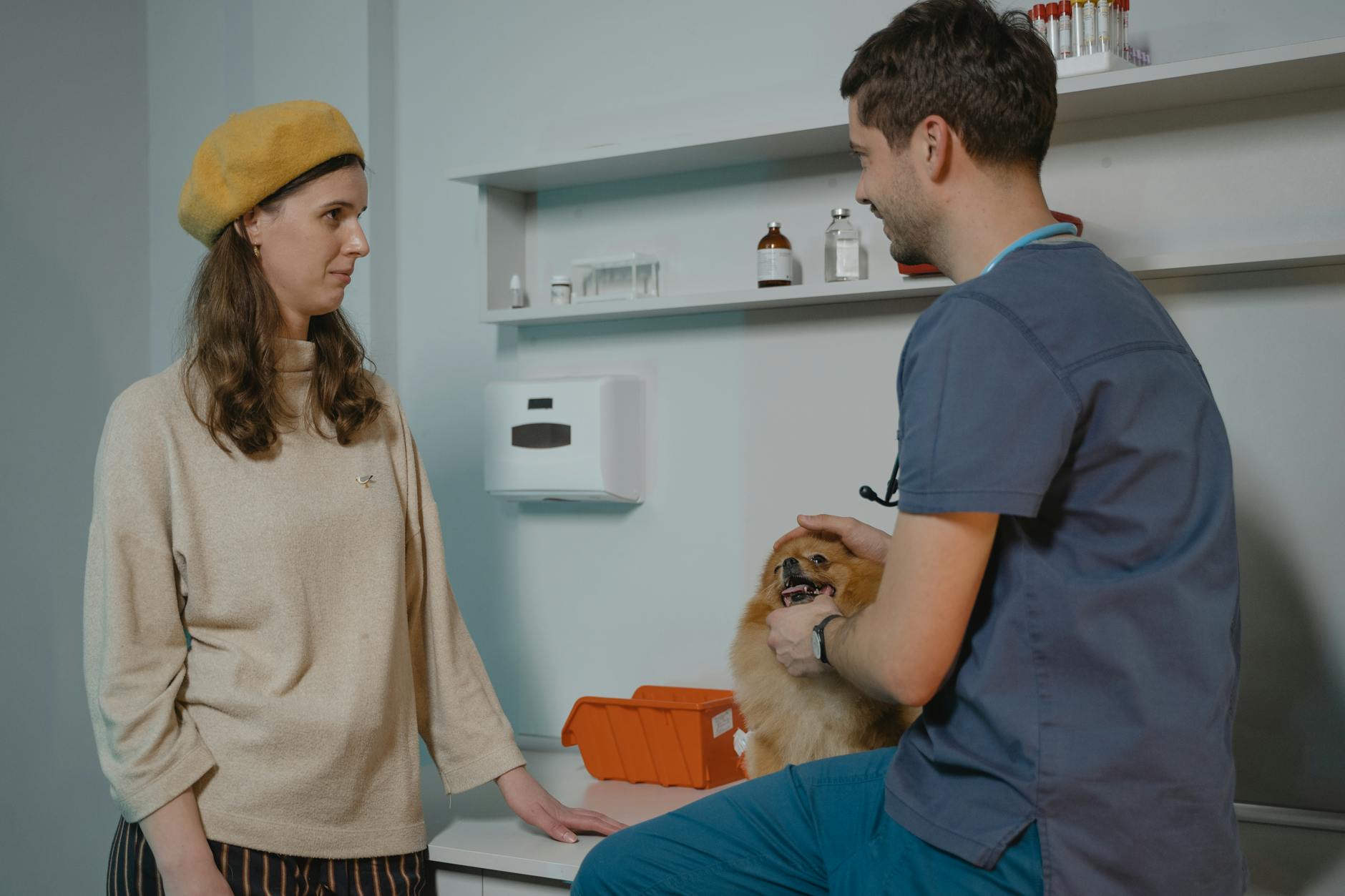
As a giant breed, the Komondor is generally robust but prone to specific orthopedic, ocular, and gastric conditions. In my practice, preventing rapid growth in puppyhood and managing bloat risks are the two most critical health conversations I have with Komondor owners.
Gastric Dilation-Volvulus (GDV or Bloat)
This is a life-threatening emergency common in deep-chested giant breeds where the stomach fills with gas and twists on its axis, cutting off blood supply.
Hip Dysplasia
A heritable orthopedic condition where the head of the femur does not fit properly into the pelvic socket, leading to progressive arthritis.
Moist Dermatitis (Hot Spots) & Skin Infections
Because their thick, corded coat retains moisture easily, bacteria and yeast can thrive on the skin underneath, causing painful, weeping sores.
Otitis Externa (Ear Infections)
The heavy, corded ears drop down and trap moisture and warmth inside the ear canal, creating a perfect breeding ground for yeast and bacteria.
Entropion
A painful ocular condition where the eyelids roll inward, causing the eyelashes to rub against the cornea, potentially leading to ulcers.
How long do Komondors typically live?
The average lifespan for a Komondor is 10 to 12 years. Regular veterinary care, keeping them at a lean body weight, and screening for joint issues can help maximize their senior years.
What to Feed a Komondor
Feeding a giant breed like the Komondor requires careful monitoring of growth rates and portion sizes to prevent developmental orthopedic diseases. Because of their risk for life-threatening bloat, their feeding routine must be highly structured.
Best Diet
I highly recommend feeding a high-quality, large or giant-breed-specific kibble. For puppies, a large-breed puppy formula is non-negotiable to control their rapid skeletal development and protect their joints.
How to Feed
Always split their daily food intake into at least two or three smaller meals. Avoid using elevated bowls unless specifically advised by your vet, and strictly enforce a rest period of 60 to 90 minutes with no running or exercise before and after meals to reduce bloat risk.
How Much to Feed
Adult Komondors typically consume between 3.5 to 5.5 cups of high-quality kibble daily, depending on their weight, age, and activity level. You should consult your veterinarian to calculate exact caloric needs based on a body condition score.
Nutritional Tips
Consider adding joint supplements containing glucosamine, chondroitin, and Omega-3 fatty acids early in life to support their massive skeletal frame, especially if they have pre-existing joint laxity.
Komondor Grooming Guide
The Komondor’s coat is one of the most high-maintenance in the canine world. It requires a dedicated owner who is willing to commit to hands-on maintenance, as traditional brushing is entirely off the table once the cords form.
Coat Care
At around 9 to 12 months, the soft undercoat begins to trap in the outer coat, initiating cord formation. Owners must manually split these clumps by hand down to the skin to form neat, individual cords; if ignored, the coat will turn into one solid, painful felted sheet.
Skin Care
Bathing a fully corded Komondor is a monumental task that can take hours. The cords must be thoroughly rinsed of all shampoo residue, and drying can take 24 to 48 hours using high-velocity dryers; failing to dry them completely will result in ‘mop rot’ (a foul, fungal skin infection).
Eye Care
Keep the hair around the eyes clean and free of discharge, as trapped moisture beneath the heavy facial cords can lead to severe skin fold dermatitis.
Ear Care
Check the ears weekly; carefully pluck or trim excess hair blocking the ear canal to promote airflow and prevent chronic yeast infections.
Nail & Dental Care
Trim nails every 3 to 4 weeks to prevent splayed toes and joint pain, and brush their teeth daily with dog-specific toothpaste to prevent periodontal disease.
Considerations for Pet Parents
Pros
- Incredibly loyal and deeply protective of their family.
- Naturally calm, quiet, and low-energy inside the household.
- Excellent, highly effective deterrent to intruders and predators.
- Highly intelligent with independent problem-solving skills.
- Unique, beautiful appearance when the coat is properly maintained.
Cons
- Incredibly intensive, demanding grooming and coat care needs.
- Strong-willed, stubborn, and highly challenging to train.
- Naturally suspicious and potentially aggressive toward strangers and strange dogs.
- Requires a very large, securely fenced yard; not suited for apartments.
- High risk for serious giant-breed health issues like bloat.
Best For
Experienced dog owners with a large, securely fenced property or active farm who understand livestock guardian behaviors and have the time and physical strength to manage a giant, powerful guardian.
Not Recommended For
First-time dog owners, apartment dwellers, families who host frequent social gatherings, or those who cannot commit to hours of weekly, hands-on coat maintenance.
Cost
- purchase price$1,500 to $2,500
- monthly cost$200 to $350
- initial setupInitial setup costs are high, ranging from $1,500 to $3,000 for giant-breed supplies, secure fencing, crate, and a high-velocity dog dryer which is essential for drying their cords.
Similar Breeds

Puli

Bergamasco Sheepdog
Komondor FAQs
Can you brush a Komondor’s coat?
No, you should never brush a Komondor once their cords begin to form around 9 to 12 months of age. Brushing will ruin the cords and cause painful matting; instead, the cords must be manually separated by hand down to the skin to keep them neat.
How often do you have to bathe a Komondor?
Bathing is typically only done 2 to 4 times a year, or when they get exceptionally dirty. Because drying their dense cords can take up to 48 hours and carries a high risk of fungal infections, frequent bathing is not recommended unless absolutely necessary.
Do Komondors smell bad?
If their coat is kept clean and dried thoroughly after getting wet, they do not have a strong odor. However, if the cords remain damp, they can develop ‘mop rot’—a bacterial or fungal infection that smells highly foul and requires veterinary treatment.
Can you shave a Komondor?
While it is physically possible to shave them, I only recommend it in my clinic for extreme medical reasons, such as severe skin infections or unmanageable matting. Shaving removes their natural insulation against both extreme heat and cold, and the coat may not grow back correctly.
Are Komondors good with children?
They can be highly protective and gentle with the children in their own family. However, because of their guarding instincts, they can mistake loud, rough play or running visiting children as a threat to ‘their’ kids, making supervision and controlled environments mandatory.
How much exercise does a Komondor need?
They have moderate exercise needs, typically satisfied by a couple of daily walks and room to patrol their yard. They do not require high-intensity running, but they do need mental stimulation to prevent destructive behaviors.
Are Komondors aggressive?
They are not randomly aggressive, but they are naturally highly territorial and suspicious of strangers. Without intensive, life-long socialization and firm training, their natural protective drive can manifest as dangerous protective aggression.
Do Komondors bark a lot?
Yes, they are livestock guardians and will bark loudly to warn off potential intruders. This is especially true at night, when their instinct to patrol and guard their territory is most active.
How do you dry a Komondor after a bath?
Drying requires squeezing as much water out of the cords as possible with towels, followed by hours of drying with a heavy-duty, high-velocity pet dryer. Some owners even use specialized drying boxes or fans, as air-drying alone can take days and lead to skin infections.
Do Komondors tolerate hot weather?
Their heavy white coat actually acts as insulation against heat as well as cold, but they can still overheat easily in hot, humid climates. In my clinic, I advise keeping them in air-conditioning during peak summer heat and ensuring they always have access to fresh water.
What is the purpose of the corded coat?
Historically, the corded coat protected the Komondor from predators like wolves, acting as armor against bites. It also helped them blend in with the sheep they were protecting and insulated them from harsh Hungarian winters.
Are Komondors prone to separation anxiety?
No, they are highly independent dogs that are accustomed to spending long hours watching over flocks on their own. While they love their families, they generally tolerate being left alone much better than companion breeds.
Sources & Further Reading
- American Kennel Club (AKC)
- Merck Veterinary Manual
- American Veterinary Medical Association (AVMA)
- PetMD